
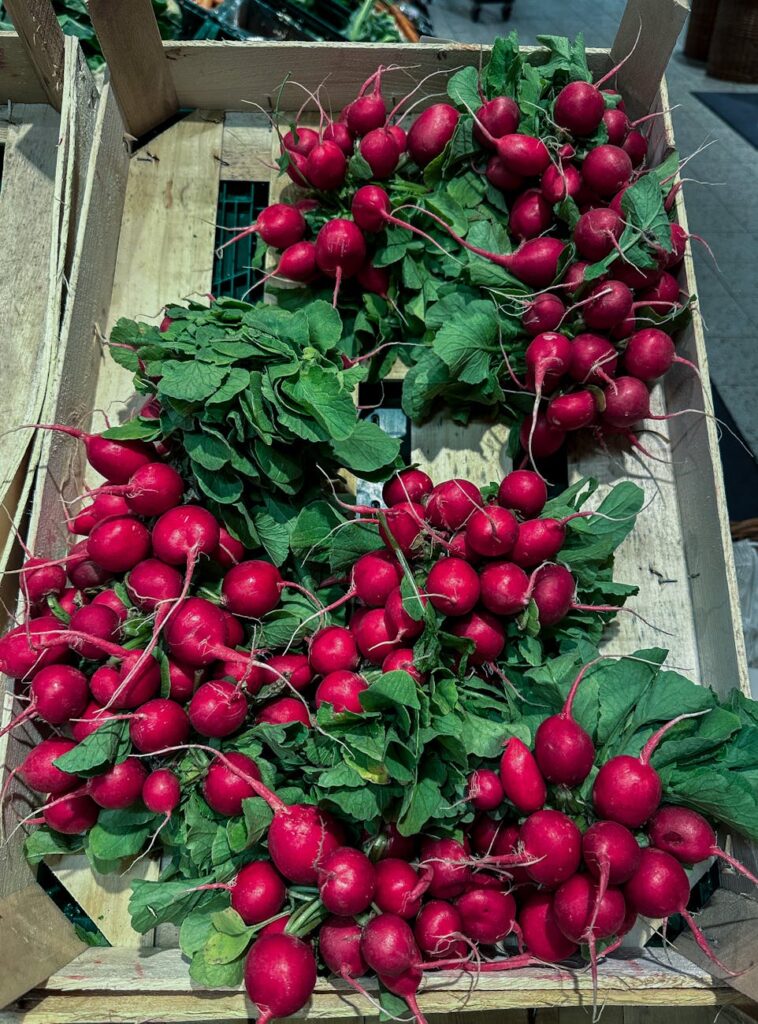
How Radish Is Produced
Introduction
Radishes are vibrant root vegetables celebrated for their crisp texture and peppery flavor. They belong to the Brassicaceae family, which also includes cabbages and broccoli. Characterized by their variety of colors, shapes, and sizes, radishes have found a place in culinary traditions worldwide. This article delves into the intricacies of radish production, from its historical roots to modern-day farming practices, quality assessment, and storage techniques.
What Is About?
Radishes are typically classified into two main categories: spring and winter varieties. Spring radishes, such as the familiar red globe and French breakfast varieties, are planted in cooler months and harvested quickly. Winter radishes, like the daikon and black radish, are sown in late summer and harvested in the fall or winter. The versatility of radishes extends to their culinary uses, where they can be consumed raw, pickled, or cooked, although they are often enjoyed in their raw state to maintain their crispness and flavor.
History and Origins
The domestication of radishes dates back to ancient civilizations. Evidence suggests that radishes were cultivated in the Mediterranean region around 2,000 BCE. The Egyptians revered radishes, even offering them to their gods. By the time of the Roman Empire, radishes were widely grown and consumed, with several varieties cultivated for different culinary purposes.
As trade routes expanded, radishes made their way to Asia and the Americas. The daikon radish, a staple in East Asian cuisine, emerged from this global exchange. Today, radishes are enjoyed in various forms across cultures, from the spicy Korean kimchi to the refreshing Mexican salsa.
Production and Processing
Cultivation
Radishes thrive in well-drained, fertile soil rich in organic matter. They prefer full sun and require a moderate climate. The growing cycle for spring radishes is typically 3 to 4 weeks, while winter varieties may take up to 2 months.
Sowing
Radish seeds are sown directly into the soil, often in rows spaced approximately 12 to 18 inches apart. It is essential to ensure the soil temperature is adequate; radishes prefer temperatures between 50°F and 70°F (10°C to 21°C). After sowing, the seeds require consistent moisture to germinate, usually within 5 to 10 days.
Maintenance
Once germinated, radish plants require minimal maintenance. Weeding is crucial to prevent competition for nutrients, and regular watering is essential, especially in dry conditions. Organic fertilizers can be applied to enhance growth, although excessive nitrogen can lead to lush tops but small roots.
Harvesting
Radishes are typically harvested when they reach their desired size, which can vary based on variety. For spring radishes, this means checking for a firm, rounded root, usually between 1 to 2 inches in diameter. Harvesting involves gently pulling the radishes from the soil, ensuring minimal damage to the roots.
Post-Harvest Processing
After harvesting, radishes are typically washed to remove soil and debris. They may be sorted based on size and quality. Some radishes undergo further processing, such as pickling or slicing, for preservation and culinary use.
Quality and Grading
Quality assessment in radish production involves evaluating several factors, including size, shape, color, and texture. High-quality radishes should be firm, free from blemishes or soft spots, and exhibit vibrant colors. They should also have a crisp texture and a fresh aroma, indicative of freshness.
Grading standards may vary by region, but typically, radishes are categorized into grades such as U.S. No. 1, U.S. No. 2, and U.S. No. 3, based on the aforementioned characteristics. Higher grades command better market prices, influencing growers’ practices to improve quality.
Buying Considerations
When purchasing radishes, look for firm, unblemished roots with a smooth surface. The color should be bright and vibrant, indicating freshness. Avoid radishes that appear soft, shriveled, or have dark spots, as these may indicate spoilage.
If buying pre-packaged radishes, check the packaging date to ensure you are selecting the freshest produce. Organic radishes may be preferred by some consumers, as they are cultivated without synthetic pesticides or fertilizers.
Uses and Applications
Radishes are incredibly versatile in culinary applications. They can be consumed raw, adding a spicy crunch to salads and sandwiches. Pickled radishes serve as a tangy condiment in various dishes, particularly in Asian cuisines. Additionally, radishes can be roasted or sautéed, although cooking may mellow their peppery flavor.
Beyond culinary uses, radishes also have applications in the agricultural sector. They are sometimes used as a cover crop to improve soil health, prevent erosion, and suppress weeds. Their deep taproots break up compacted soil, enhancing aeration and water infiltration.
Storage and Shelf Life
To preserve their freshness, radishes should be stored in a cool, dry place, ideally in the refrigerator. They can be kept in a perforated plastic bag, which allows for air circulation while retaining moisture. Whole, unwashed radishes can last up to two weeks in optimal conditions.
If radishes are trimmed or cut, they will have a shorter shelf life and should be consumed within a few days. To maintain their crispness, they can be submerged in water, stored in an airtight container.
Common Misconceptions
One common misconception about radishes is that they are only available in red varieties. In reality, radishes come in a myriad of colors, including white, purple, and black, each with its unique flavor profile.
Another misconception is that all radishes are spicy. While many varieties have a peppery flavor, some, like the daikon, are milder and sweeter. The spiciness of