
How Rhubarb Is Produced
Introduction
Rhubarb, known for its vibrant red stalks and tart flavor, has garnered a unique place in culinary traditions around the world. While often categorized alongside fruits, it is botanically a vegetable. This article delves into the multifaceted world of rhubarb, exploring its history, production methods, quality grading, and various applications, while also addressing common misconceptions about this intriguing ingredient.
What Is Rhubarb?
Rhubarb (Rheum rhabarbarum) is a perennial plant belonging to the Polygonaceae family. Its most notable feature is its thick, fleshy stalks, which can vary in color from green to deep crimson. These stalks are commonly used in desserts, jams, and savory dishes, while the leaves are toxic due to high levels of oxalic acid and should not be consumed. Rhubarb thrives in temperate climates, making it a popular ingredient in regions with distinct seasonal changes, particularly in Europe and North America.
History and Origins
Rhubarb has a rich history that dates back thousands of years. Its origins can be traced to Siberia, where it was first cultivated for medicinal purposes. Ancient Chinese texts reference rhubarb as a treatment for various ailments, highlighting its significance in traditional medicine. It wasn’t until the 18th century that rhubarb made its way to Europe, where it became increasingly popular in culinary applications, particularly in desserts.
In the United States, rhubarb gained prominence in the 19th century, especially in New England, where it was often used in pies. The plant’s resilience to cold climates made it an ideal crop for early settlers, and it soon became a staple in American kitchens.
Production and Processing
Cultivation
Rhubarb is typically grown from crowns, which are established root systems that can generate new growth year after year. The ideal conditions for rhubarb cultivation include well-drained, fertile soils and a cool climate. The plant requires a chilling period in winter to promote healthy growth in spring.
Planting
Planting is usually done in early spring or late fall. The crowns should be placed at a depth of approximately 2 inches, with sufficient spacing to allow for their expansive growth. Regular watering and mulching are essential during the establishment phase to maintain moisture and suppress weeds.
Harvesting
Rhubarb is generally harvested in late spring to early summer, when the stalks reach a desirable size and color. Harvesting involves pulling the stalks from the base rather than cutting them, ensuring that the plant remains healthy and can continue to produce. It is important to leave some stalks intact to allow the plant to regenerate for future harvests.
Processing
Once harvested, the rhubarb stalks are washed, trimmed, and sorted based on size and quality. They can be sold fresh, or they may undergo further processing. Common methods include freezing, canning, or dehydrating, which extend the ingredient’s shelf life and make it available for year-round use.
Quality and Grading
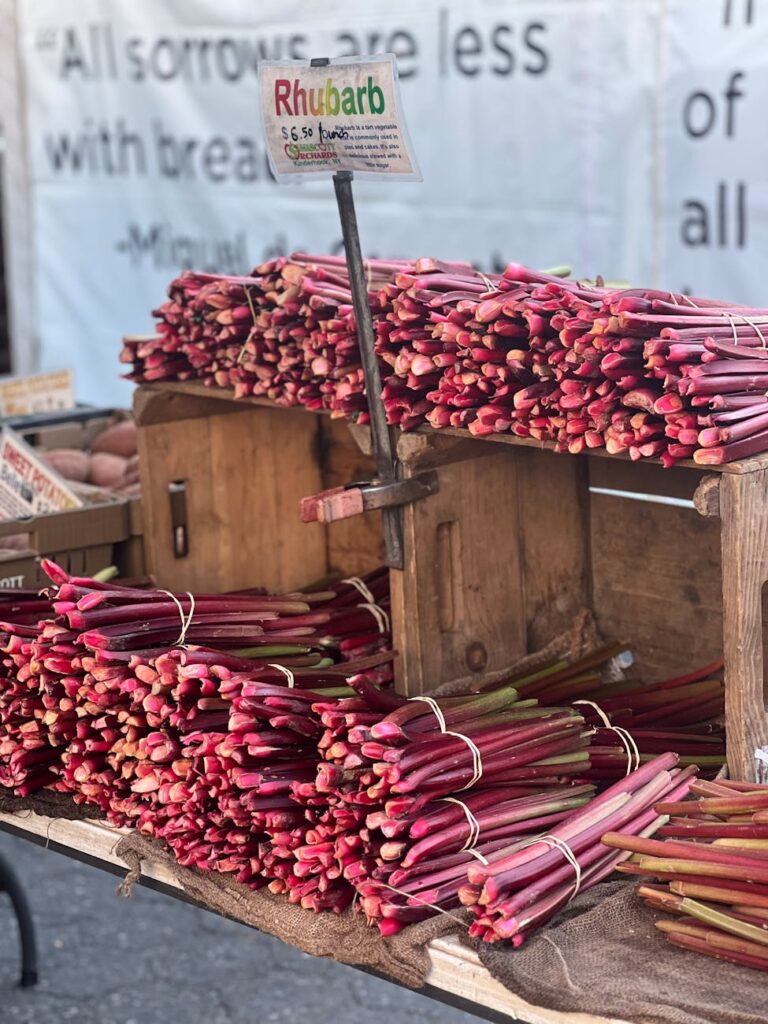
The quality of rhubarb is determined by several factors, including color, firmness, and absence of blemishes. Fresh rhubarb should have a vibrant color, typically ranging from light green to deep red, with firm, crisp stalks.
Grading Standards
Grading standards vary by region, but generally categorize rhubarb into different quality tiers. Higher grades feature uniform size and color, while lower grades may exhibit imperfections or unevenness. Buyers often prefer high-quality rhubarb for culinary applications, as it not only enhances the visual appeal of dishes but also affects flavor and texture.
Buying Considerations
When purchasing rhubarb, whether fresh or processed, several factors should be taken into account:
- Seasonality: Fresh rhubarb is typically available from late spring through early summer. Off-season purchases may involve frozen or canned options.
- Source: Local farmers’ markets often provide the freshest options, while grocery stores may offer both local and imported varieties.
- Appearance: Look for stalks that are vibrant in color, firm to the touch, and free from signs of decay or wilting.
- Organic Certification: For those who prioritize organic produce, consider sourcing rhubarb that is certified organic to ensure it has been cultivated without synthetic fertilizers or pesticides.
Uses and Applications
Rhubarb’s tart flavor profile makes it a versatile ingredient in both sweet and savory dishes.
Culinary Uses
1. Desserts: Rhubarb is most famously used in pies, crumbles, and tarts. Its acidity balances well with the sweetness of sugar and other fruits.
2. Preserves: Rhubarb can be cooked down into jams, jellies, and sauces, often combined with other fruits like strawberries or apples.
3. Savory Dishes: Some chefs incorporate rhubarb into savory sauces or as a component in meat dishes, where its tartness can enhance flavors.
4. Beverages: Rhubarb can also be used to create refreshing drinks, such as cordials or cocktails, providing a unique and tangy twist.
Non-Culinary Uses
Rhubarb has also found a place in some traditional medicine practices due to its historical use in herbal remedies. However, it is primarily appreciated for its culinary applications in modern cuisine.
Storage and Shelf Life
Fresh rhubarb should be stored in the refrigerator, where it can remain fresh for up to a week. To extend its shelf life, it can be frozen. When properly stored in an airtight container or freezer bag, frozen rhubarb can last for up to a year without significant loss of quality.
Freezing Process
To freeze rhubarb, it is recommended to wash and chop the stalks into manageable pieces. Blanching them briefly in boiling