
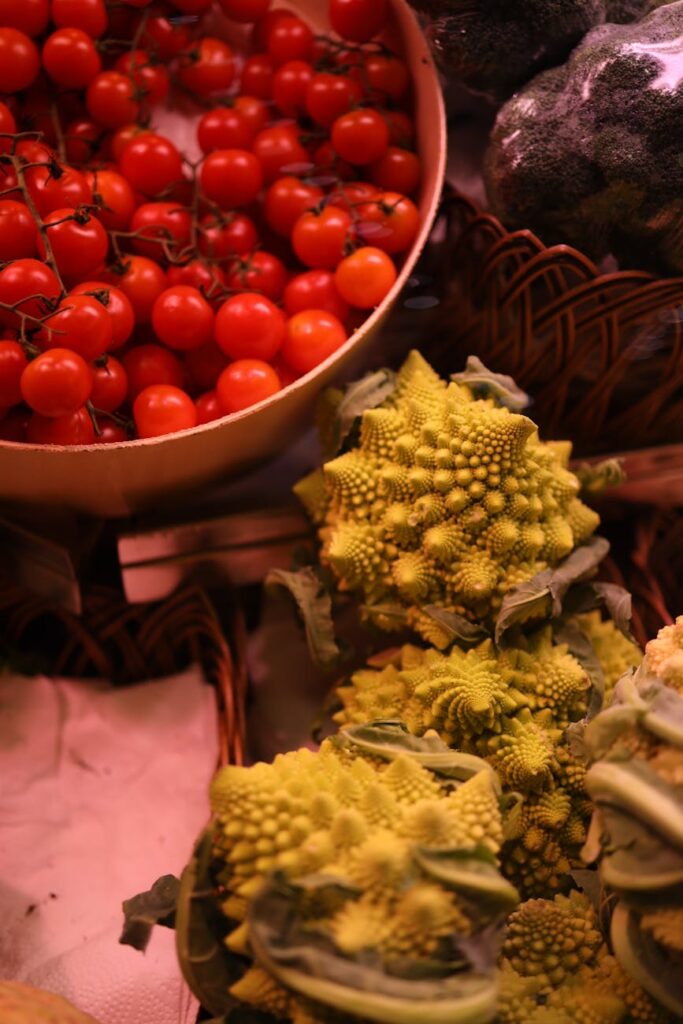
How Romanesco Is Produced
Introduction
Romanesco, with its striking fractal appearance and vibrant green hue, has captured the attention of chefs and home cooks alike. This unique member of the Brassica family, related to cauliflower, has a flavor profile that blends the nuttiness of broccoli with the creaminess of cauliflower. As interest in Romanesco continues to grow, understanding its production methods becomes essential for anyone looking to appreciate this extraordinary vegetable fully. This article delves into the intricacies of Romanesco production, from its historical roots to the nuances of quality grading and storage.
What Is Romanesco?
Romanesco (Brassica oleracea var. botrytis) is a variety of cauliflower known for its distinctive, spiral-shaped florets that form a mesmerizing fractal pattern. The vegetable is not only visually striking but also nutritional, rich in vitamins C and K, dietary fiber, and antioxidants. Romanesco can be enjoyed raw, steamed, roasted, or incorporated into a myriad of dishes, making it a versatile ingredient in modern cuisine. Its unique appearance and flavor have made it a favorite among chefs and food enthusiasts, elevating it beyond a mere side dish.
History and Origins
The origins of Romanesco can be traced back to Italy, where it is believed to have been cultivated since the 16th century. The vegetable is particularly associated with the Lazio region, including Rome, where it was first documented in agricultural texts. Romanesco’s cultivation spread throughout Europe, especially in France and the United Kingdom, during the 19th century.
Over time, the vegetable has gained popularity worldwide, particularly in gourmet cooking. The rise of farm-to-table dining and an increasing interest in unique, visually appealing ingredients have contributed to its resurgence. Today, Romanesco is grown in various countries, including the United States, where it is often found in specialty grocery stores and farmers’ markets.
Production and Processing
Cultivation Practices
The cultivation of Romanesco begins with seed selection, which is crucial for producing high-quality vegetables. Farmers typically choose seeds that are well-adapted to their local climate and soil conditions. Romanesco prefers cooler temperatures and is usually planted in early spring or late summer, allowing for a fall harvest.
The seeds are sown in seedbeds and later transplanted into the field once they have developed strong seedlings. The soil should be well-draining and rich in organic matter, as Romanesco thrives in nutrient-dense environments. Farmers often amend the soil with compost or well-rotted manure to enhance fertility.
Growing Conditions
Romanesco requires specific growing conditions to flourish. It thrives in temperatures between 60°F and 70°F (15°C to 21°C) but can tolerate mild frosts. Adequate moisture is essential, so irrigation is often employed, especially during dry periods. Regular weed control is also necessary to prevent competition for nutrients, and farmers may use mulch or organic herbicides to manage this.
Pests and diseases can pose challenges during cultivation. Common pests include aphids and cabbage worms, while diseases like downy mildew and black rot can impact crop yields. Integrated pest management (IPM) practices are often adopted to mitigate these issues, combining cultural, biological, and mechanical controls.
Harvesting Techniques
The harvesting of Romanesco is a delicate process that requires careful timing. The florets are harvested when they are still compact and bright green, typically about 60 to 90 days after planting. Farmers usually cut the heads from the plant using a sharp knife, ensuring minimal damage to the surrounding leaves and stems.
Post-harvest handling is crucial to maintain quality. After harvesting, the Romanesco heads are immediately cooled to remove field heat, often through hydrocooling or forced-air cooling methods. This step is essential for preserving quality and extending shelf life.
Quality and Grading
The quality of Romanesco is determined by several factors, including size, color, and compactness of the florets. In the market, Romanesco is typically graded into different categories:
1. Grade A: These heads are large, compact, and uniform in color, with minimal blemishes.
2. Grade B: Slightly smaller in size, these may have minor imperfections but are still suitable for culinary use.
3. Processing Grade: These are often smaller or less visually appealing heads, utilized for processing into frozen or canned products.
Farmers and distributors adhere to strict quality standards that align with consumer expectations. Visual inspections, as well as firmness tests, are commonly conducted to ensure that only the best products reach the market.
Buying Considerations
When purchasing Romanesco, consumers should consider several factors to ensure they select the best quality.
Freshness
Opt for heads that are vibrant green and have tightly packed florets. Avoid those with yellowing or wilting leaves, as these may indicate age or spoilage. The florets should feel firm to the touch, indicating freshness.
Seasonality
Romanesco is typically in season from late summer to early winter, depending on the region. Buying during peak season increases the likelihood of obtaining fresher, more flavorful produce.
Source
Consider purchasing from local farmers’ markets or reputable grocery stores that prioritize sustainable and seasonal produce. This not only supports local agriculture but also often results in fresher vegetables.
Organic vs. Conventional
While both organic and conventionally grown Romanesco can be high quality, organic varieties are often grown without synthetic pesticides and fertilizers. This can be a consideration for consumers seeking sustainably produced options.
Uses and Applications
Romanesco’s versatility extends beyond its visual appeal; it is used in various culinary applications. Common uses include:
- Raw: Served as part of a vegetable platter or salad, where its crunch adds texture.
- Steamed or Blanched: Cooking enhances its nutty flavor while retaining a vibrant color.
- Roasted: Roasting caramelizes the natural sugars