
How Savoy Cabbage Is Farmed Commercially
Introduction
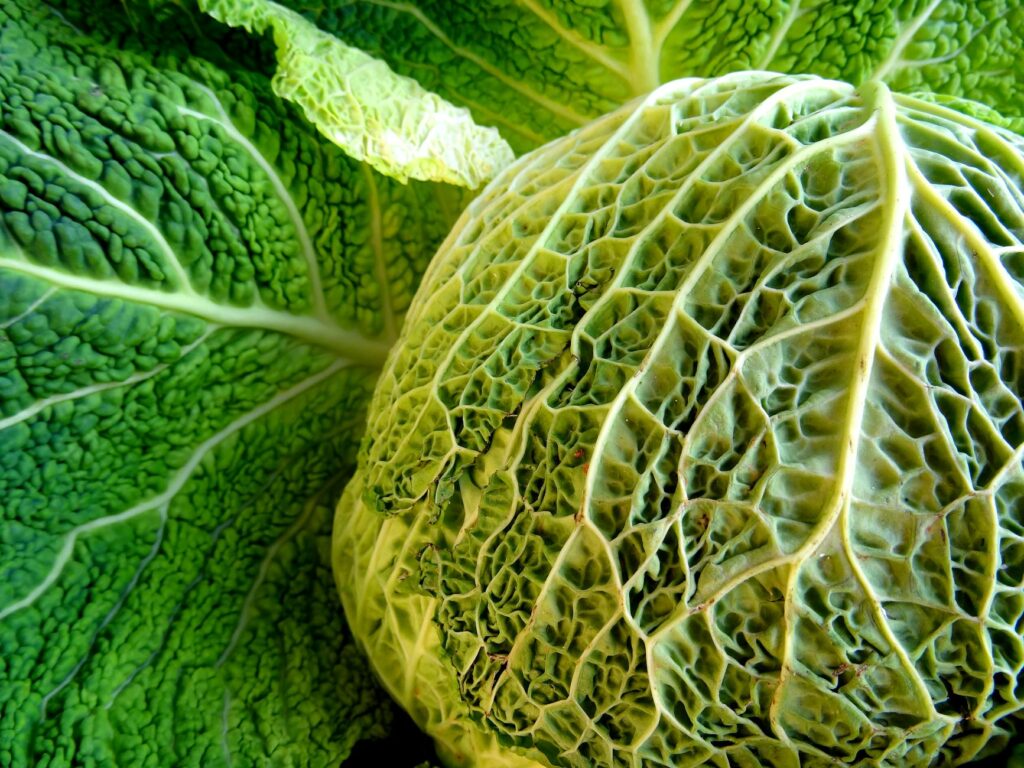
Savoy cabbage, known for its crinkled, textured leaves and vibrant green hue, is a popular leafy vegetable in various culinary traditions. Its unique appearance and mild, sweet flavor make it a sought-after ingredient in salads, stir-fries, and soups. While many people enjoy Savoy cabbage in their meals, few understand the intricate process involved in its commercial cultivation. This article delves into the comprehensive journey of Savoy cabbage, from its growing conditions to its commercial production, quality grading, and common uses.
What Is Growing?
Growing refers to the cultivation of plants, encompassing a series of practices that facilitate the development of crops from seeds to harvest. In the context of Savoy cabbage, growing involves selecting appropriate seeds, preparing the soil, planting, tending to the crops, and ultimately harvesting them at the right time. Each stage of this process is critical in ensuring a high-quality product that meets market demands.
History and Origins
Savoy cabbage traces its roots back to the Mediterranean region and has been cultivated since ancient times. It is believed to have been developed from the wild cabbage (Brassica oleracea) and was named after the Savoy region in France and Italy, where it gained popularity. Historical records indicate that this variety of cabbage was introduced to England in the 18th century, where it quickly became a staple due to its adaptability and taste. Over time, various cultivars have emerged, leading to the diverse forms of Savoy cabbage available today.
Production and Processing
Site Selection and Soil Preparation
The first step in the commercial production of Savoy cabbage is selecting the right site for cultivation. Ideal conditions include well-draining, fertile soils rich in organic matter. Savoy cabbage thrives in loamy soils with a pH level between 6.0 and 6.8. Prior to planting, soil preparation is essential. This often involves tilling the soil, incorporating organic fertilizers, and conducting soil tests to determine nutrient levels.
Seed Selection and Planting
Once the soil is prepared, farmers select high-quality seeds suited for the local climate and market preferences. Savoy cabbage seeds can be sown directly into the field or started in greenhouses. Direct sowing is typically done in early spring or late summer, while greenhouse planting allows for an extended growing season. The seeds are planted at a depth of about 0.5 inches and spaced appropriately to ensure adequate air circulation and sunlight exposure.
Crop Maintenance
After planting, maintaining optimal growing conditions is crucial. This includes:
- Watering: Savoy cabbage requires consistent moisture, especially during dry periods. Drip irrigation is often employed to deliver water directly to the roots, minimizing evaporation and maximizing efficiency.
- Weed Control: Weeds compete for nutrients and water, so regular monitoring and weed management practices, such as mulching and mechanical weeding, are essential.
- Pest and Disease Management: Common pests include aphids, cabbage worms, and root maggots. Integrated pest management (IPM) strategies, which combine biological control, cultural practices, and, if necessary, chemical interventions, are employed to mitigate pest populations. Diseases such as downy mildew and black rot are addressed through crop rotation and resistant varieties.
- Grade A: Premium quality with vibrant color and no blemishes.
- Grade B: Good quality with minor imperfections but still suitable for market.
- Grade C: Lower quality, often used for processing or in less demanding culinary applications.
- Freshness: Look for heads that feel heavy for their size and have crisp, vibrant leaves. Avoid any that show signs of wilting or browning.
- Source: Knowing where the cabbage comes from can provide insights into its freshness and quality. Local farmers’ markets are often excellent sources for fresh produce.
- Seasonality: Savoy cabbage is typically in season from late fall to early spring. Purchasing during this time can ensure better quality and flavor.
- Raw Applications: Shredded Savoy cabbage is a delightful addition to salads and slaws, providing a crunchy texture and mild flavor.
- Cooked Dishes: It can be sautéed, steamed, or braised, complementing a variety of proteins and sauces. Its ability to absorb flavors makes it an excellent choice for stir-fries and soups.
- Processing: Savoy cabbage is also suitable for fermentation, often used in products like sauerkraut or kimchi, where its texture holds up well during the fermentation process.
Harvesting
Timing is critical when harvesting Savoy cabbage. The heads should be firm and fully developed, typically around 70 to 90 days after planting. Harvesting is usually done by hand, where the heads are cut from the plant with a sharp knife. Care is taken to avoid bruising, as this can affect the quality and shelf life of the cabbage.
Quality and Grading
Once harvested, Savoy cabbage undergoes a thorough quality assessment. Factors affecting quality include size, color, leaf texture, and absence of defects. Cabbages are typically graded into various categories based on these criteria. The highest grades are reserved for heads that are well-formed, compact, and free from blemishes or pests.
Grading Standards
Buying Considerations
When purchasing Savoy cabbage, consumers should consider several factors to ensure they select the best product.
Uses and Applications
Savoy cabbage is a versatile ingredient applicable in various culinary contexts. Its unique texture allows it to be used both raw and cooked.
Storage and Shelf Life
To maintain freshness, Savoy cabbage should be stored properly. It is best kept in the vegetable crisper of the refrigerator, where it can last for up to two weeks. If the cabbage is uncut, it retains its quality longer than pre