
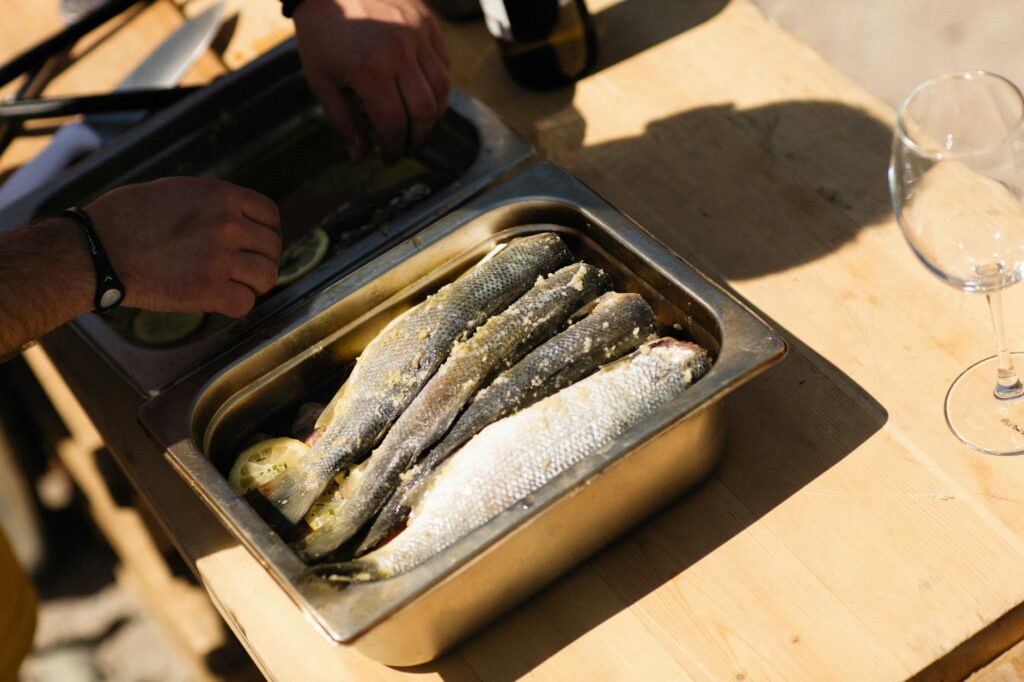
How Sea Bass Is Produced
Introduction
Sea bass, a term that encompasses various species within the family Moronidae and Serranidae, has become a culinary favorite across the globe. Known for its delicate flavor and flaky texture, it is a staple in many cuisines, from Mediterranean dishes to Asian preparations. The production of sea bass involves intricate methods that ensure sustainability, quality, and flavor, making it an important ingredient in both home kitchens and fine dining establishments. This article delves into the production processes, history, quality grading, and much more related to this beloved fish.
What Is Sea Bass?
Sea bass refers to a number of species, most notably the European sea bass (Dicentrarchus labrax) and the striped bass (Morone saxatilis). These fish are characterized by their streamlined bodies, which allow them to swim efficiently in both coastal and offshore waters. With a mild flavor and versatile culinary applications, sea bass can be prepared in various ways, including grilling, baking, and steaming. Its flesh is typically white or light pink, with a moist, flaky texture that appeals to a wide range of palates.
History and Origins
The origins of sea bass can be traced back to ancient times, with references found in Roman texts that highlight its significance in Mediterranean diets. Over the centuries, sea bass has been a prized catch for fishermen, particularly in the coastal regions of Europe and North America. The European sea bass has been celebrated for its flavor and has been a central element of traditional cuisines.
In the late 20th century, with the rise of aquaculture, the farming of sea bass began to gain traction. This shift helped alleviate the pressure on wild populations and allowed for more controlled production environments. Today, countries like Greece, Turkey, and Spain are leading producers of farmed sea bass, contributing to an industry that caters to both domestic and international markets.
Production and Processing
Wild Capture
The traditional method of producing sea bass involves wild capture from oceans and seas. Fishermen typically use gillnets, longlines, or trawl nets to catch these fish. The best times for fishing vary depending on the species and the region, but generally, the spring and summer months yield the highest catches. Sustainable fishing practices are increasingly emphasized to prevent overfishing and ensure the long-term viability of sea bass populations.
Aquaculture
Aquaculture has revolutionized the production of sea bass, allowing for year-round availability and consistent quality. The farming process begins with the breeding of juvenile fish, known as fingerlings, which are then raised in controlled environments.
Rearing Conditions
Sea bass are typically reared in floating cages or tanks that mimic their natural habitat. Water quality, temperature, and salinity are carefully monitored to create optimal growing conditions. The fish are fed a specially formulated diet that promotes healthy growth and enhances flavor, often consisting of fish meal, plant proteins, and vitamins.
Harvesting
Once the fish reach market size, they are harvested using nets. The harvesting process is designed to minimize stress on the fish, ensuring that the quality of the flesh remains high. After harvesting, the fish are quickly transported to processing facilities.
Processing
Processing involves several steps to ensure the fish is safe and suitable for consumption. These steps typically include:
1. Evisceration: The fish are gutted and cleaned to remove internal organs and contaminants.
2. Filleting: The fish may be filleted for convenience, although whole fish are also sold.
3. Chilling: The processed fish are immediately chilled or frozen to preserve freshness and prevent bacterial growth.
4. Packaging: The final product is packaged in vacuum-sealed bags or ice to maintain quality during transportation.
Quality and Grading
Quality grading of sea bass is crucial for both producers and consumers. Various factors contribute to the grading process, including:
- Size: Sea bass are graded by weight; larger fish often command higher prices.
- Freshness: The fish should have clear eyes, bright red gills, and firm flesh.
- Color: The skin should be shiny and free from blemishes.
- Texture: High-quality sea bass has a firm, moist texture that flakes easily.
- Grilling: Its firm texture makes it ideal for grilling, allowing for beautiful char marks and enhanced flavor.
- Baking: Whole sea bass can be baked with herbs and citrus to accentuate its natural flavors.
- Steaming: This method retains moisture and highlights the delicate taste of the fish.
- Ceviche: Fresh sea bass can be marinated in citrus juices and spices for a refreshing dish.
- Refrigeration: Fresh sea bass should be stored in the refrigerator
Different countries may have specific grading systems, but generally, the highest grades are sought for fine dining and culinary applications, while lower grades may be used in processed products.
Buying Considerations
When purchasing sea bass, several factors should be considered to ensure quality and sustainability:
1. Source: Check if the fish is wild-caught or farmed. Sustainable sources are preferable.
2. Freshness: Look for signs of freshness, such as clear eyes and bright gills.
3. Certification: Look for eco-labels like the Marine Stewardship Council (MSC) or the Aquaculture Stewardship Council (ASC), which indicate sustainable practices.
4. Local vs. Imported: Local fish are often fresher, but imported fish can offer variety and year-round availability.
Uses and Applications
Sea bass is a versatile ingredient that can be utilized in numerous culinary applications, including:
Additionally, sea bass is often featured in high-end restaurants, where chefs highlight its quality through innovative cooking techniques and presentations.
Storage and Shelf Life
Proper storage is essential to maintain the quality and safety of sea bass. Here are some guidelines: