
How Sea Urchin Is Produced
Introduction
Sea urchin, often referred to as “uni” in culinary contexts, is a delicacy cherished in various cuisines around the globe. Its unique flavor profile and creamy texture make it a sought-after ingredient in gourmet dishes. Yet, the journey from ocean to plate involves intricate processes of collection, processing, and quality assurance. This article delves into the detailed production of sea urchin, examining its history, harvesting techniques, processing methods, and considerations for purchasing and storage.
What Is Sea Urchin?
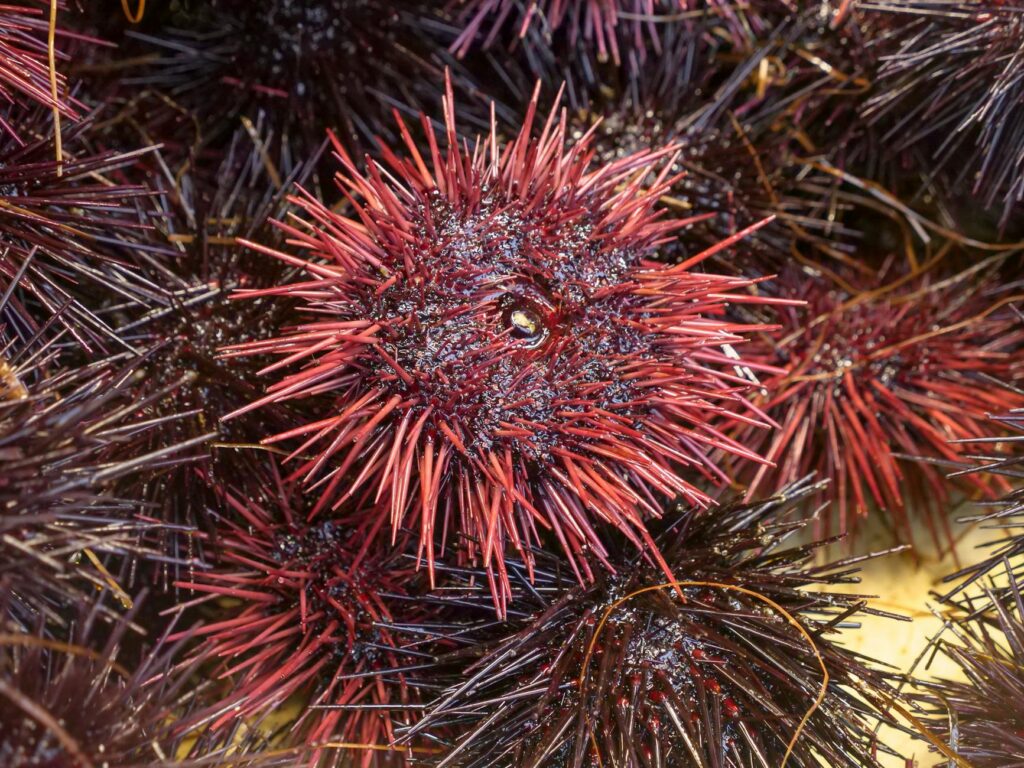
Sea urchins are marine echinoderms belonging to the class Echinoidea. They are characterized by their spiny exterior and a hard shell, known as a test, which encases the edible gonads—often referred to as “roe.” These gonads are the primary edible part of the sea urchin and are celebrated for their briny, rich flavor and buttery texture. Available in various species, the most commonly harvested for culinary use include the Japanese purple sea urchin (Strongylocentrotus nudus) and the red sea urchin (Strongylocentrotus franciscanus).
History and Origins
The consumption of sea urchin dates back centuries, with early records indicating that various cultures, particularly in Japan, have enjoyed this delicacy for generations. The Japanese have been harvesting sea urchin since at least the Edo period (1603–1868), where it was considered a luxurious food item. Over time, the popularity of sea urchin spread to other Asian countries and eventually to Western culinary traditions, where it is celebrated for its unique flavor.
In recent years, sustainable harvesting practices have become increasingly important as demand grows. Overfishing and habitat destruction have threatened some species, prompting conservation efforts and regulations to ensure the longevity of sea urchin populations.
Production and Processing
Harvesting Techniques
Sea urchin harvesting is predominantly done through diving and hand collection. Divers equipped with specialized tools descend to rocky underwater habitats where sea urchins thrive. This method is labor-intensive and requires skill, as divers must navigate strong currents and rocky terrain while selectively harvesting mature urchins.
In some regions, sea urchins are also harvested using traps or rakes. These methods, while less labor-intensive, may not allow for the same level of selectivity as hand collection. The choice of harvesting method often depends on local regulations, environmental conditions, and sustainability practices.
Processing
Once harvested, sea urchins must be processed quickly to maintain freshness. The processing typically involves several steps:
1. Opening: The first step is to open the sea urchin. This is often done by using a specialized knife to cut around the top of the shell, creating an access point. Care is taken to minimize damage to the gonads inside.
2. Cleaning: After opening, the gonads are carefully removed and rinsed in seawater or clean water to eliminate any debris or impurities. This step is crucial for preserving the quality and taste of the uni.
3. Sorting: The cleaned gonads are then sorted by size, color, and texture. This sorting process is vital for ensuring that only the highest quality product is packaged and sold.
4. Packaging: The processed gonads are typically packaged in containers that protect them from contaminants and preserve their freshness. Many producers use vacuum-sealed packaging or modified atmosphere packaging to extend shelf life.
5. Refrigeration: Fresh sea urchin is highly perishable and must be kept at low temperatures to maintain its quality. It is typically stored in refrigerated conditions until it is shipped to markets or restaurants.
Quality and Grading
The quality of sea urchin is determined by several factors, including color, texture, flavor, and freshness. Grading systems may vary by region, but generally, sea urchin is categorized into different grades:
- Grade A: This is the highest quality, characterized by bright color, firm texture, and a rich, sweet flavor. It is often sought after by high-end restaurants.
- Grade B: Slightly lower in quality, Grade B sea urchin may have minor imperfections in color or texture but is still suitable for culinary use.
- Grade C: This grade is typically used for processing or is sold at a lower price point. It may have noticeable imperfections and a less desirable flavor.
- Sushi and Sashimi: In Japanese cuisine, sea
Understanding these grading systems can help consumers make informed purchasing decisions and select the best product for their culinary needs.
Buying Considerations
When purchasing sea urchin, several factors should be taken into account:
1. Source: Always consider the source of the sea urchin. Sustainable harvesting practices and responsible sourcing ensure that the product is not only high quality but also environmentally friendly.
2. Freshness: Freshness is paramount when it comes to sea urchin. Look for products that have been processed recently and are well-packaged to minimize exposure to air and contamination.
3. Appearance: High-quality sea urchin should have a vibrant color, typically ranging from bright yellow to deep orange or red. Avoid any product that appears dull or discolored.
4. Texture: The texture of fresh sea urchin should be firm and slightly creamy. If the product appears mushy or overly soft, it may not be fresh.
5. Reputable Suppliers: Purchase from reputable suppliers or fish markets that specialize in seafood. This increases the likelihood of receiving high-quality, sustainably harvested sea urchin.
Uses and Applications
Sea urchin is a versatile ingredient, used in various culinary applications. Its rich flavor pairs well with a variety of other foods, making it a popular choice among chefs and home cooks alike.