
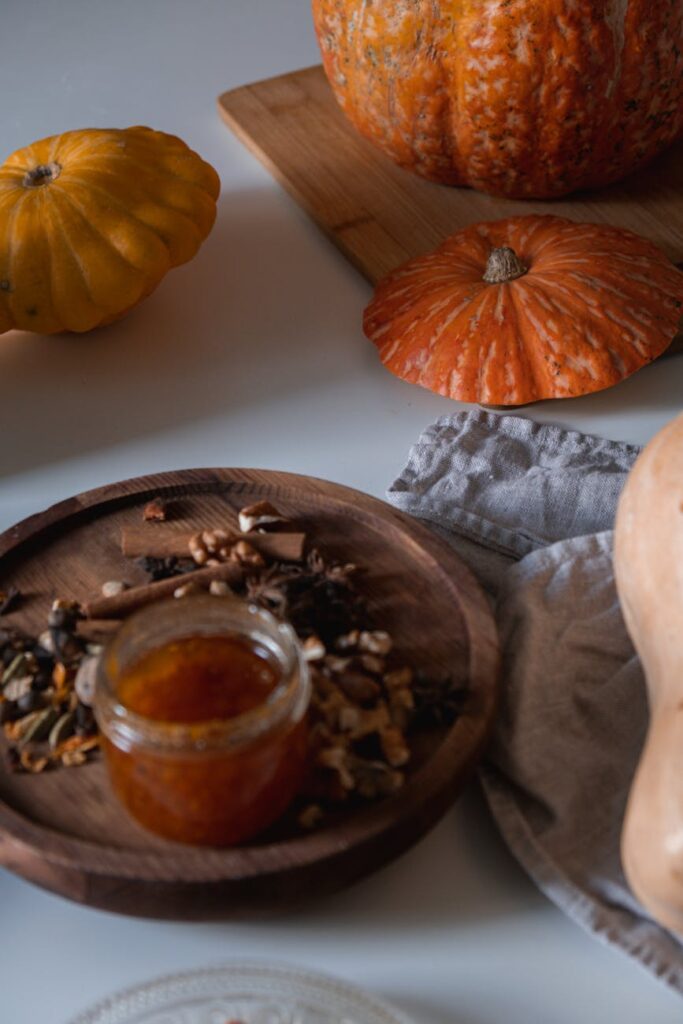
How Squash Is Produced
Introduction
Squash, a versatile and nutritious ingredient, has captivated culinary enthusiasts and home cooks alike with its diverse forms, flavors, and textures. Belonging to the gourd family, squash is cultivated in many varieties, each with its own unique characteristics. This article delves into the production of squash, covering its origins, cultivation practices, processing methods, quality standards, and storage considerations. By understanding how squash is produced, consumers can make informed choices and appreciate its role in the global food system.
What Is Squash?
Squash refers to a broad category of vegetables in the Cucurbitaceae family, which includes both summer and winter varieties. Summer squash, such as zucchini and yellow squash, is harvested while immature, offering a tender texture and mild flavor. In contrast, winter squash, including butternut, acorn, and pumpkin, is harvested at maturity, showcasing a firmer texture and a more robust flavor. Squash is celebrated not only for its culinary versatility but also for its nutritional benefits, including vitamins A and C, fiber, and antioxidants.
History and Origins
The history of squash traces back thousands of years to the Americas, where it was one of the three staple crops cultivated by Indigenous peoples, alongside maize and beans. Archaeological evidence suggests that squash was domesticated in Mexico around 8,000 years ago. Various forms of squash spread across the continent, adapting to different climates and soil conditions.
With the arrival of European colonizers in the 16th century, squash was introduced to new regions, including Europe and Asia, where it was embraced and further cultivated. Today, squash is grown globally, with major producers including the United States, China, Italy, and Mexico. Each region contributes distinct varieties and cultivation practices, enriching the global squash landscape.
Production and Processing
Cultivation Practices
The cultivation of squash is a nuanced process that varies depending on the specific type and regional conditions. Generally, squash thrives in well-drained soil with ample sunlight. Here are the key steps involved in the production of squash:
1. Soil Preparation: Squash prefers loamy, nutrient-rich soils. Farmers often enrich the soil with organic matter, such as compost or well-rotted manure, to enhance fertility. Soil pH should ideally be between 6.0 and 6.8 for optimal growth.
2. Planting: Squash can be planted directly in the ground or started indoors before being transplanted. The planting season varies by region, but it typically occurs in late spring after the danger of frost has passed. Seeds are sown about one inch deep, with spacing that allows for air circulation and light penetration.
3. Watering and Maintenance: Adequate irrigation is crucial, especially during the germination and flowering stages. Farmers monitor moisture levels, employing drip irrigation or soaker hoses to minimize water waste. Regular weeding and pest control are also essential to ensure healthy growth.
4. Pollination: Squash plants produce both male and female flowers. Bees and other pollinators play a vital role in fertilization, so maintaining a healthy ecosystem is critical. In some cases, farmers may manually pollinate flowers to enhance yield.
5. Harvesting: The timing of the harvest varies significantly between summer and winter squash. Summer squash is typically harvested within 50 to 70 days after planting, while winter squash may take 80 to 120 days. Farmers carefully monitor the size and color of the fruit to determine the right time for harvesting.
Processing
Once harvested, squash undergoes various processing methods depending on its intended use:
- Washing and Sorting: Freshly harvested squash is thoroughly washed to remove dirt and debris. Sorting occurs based on size, color, and overall quality, ensuring that only the best products reach consumers.
- Packaging: Squash is commonly packaged in crates, boxes, or bags for transportation. Proper ventilation is essential to prevent moisture buildup, which can lead to spoilage.
- Value-Added Processing: Squash can also be processed into various forms, such as canned, frozen, or pureed. This involves cooking, cooling, and packaging the squash for longer shelf life and convenience.
- Grade A: This is the highest quality, featuring uniform size, smooth skin, and no blemishes. It is typically sold fresh in supermarkets and farmers’ markets.
- Grade B: This grade includes squash that may have minor imperfections but is still suitable for consumption. It may be used in processed products or sold at a lower price.
- Grade C: Often deemed as “cull” squash, this grade may have significant defects and is usually relegated to animal feed or compost.
Quality and Grading
Quality and grading standards for squash are essential to ensure that consumers receive fresh, high-quality products. The United States Department of Agriculture (USDA) provides guidelines for grading squash based on factors such as size, shape, color, and the presence of defects.
Farmers and distributors strive to meet these grading standards to maintain their reputation and ensure customer satisfaction.
Buying Considerations
When purchasing squash, several factors should be considered to ensure quality and freshness:
1. Seasonality: Squash is typically in season during the summer and early fall, depending on the variety. Opting for in-season squash often results in better flavor and texture.
2. Appearance: Look for squash that is firm to the touch, with smooth skin and vibrant color. Avoid squash with soft spots, blemishes, or signs of mold.
3. Size: The size of squash can impact its flavor and texture. Smaller summer squash tends to be more tender, while larger winter squash may have a richer flavor.
4. Origin: Check labels for information on the origin of the squash. Local produce is often fresher and more flavorful than imported varieties.
5. Organic vs. Conventional: Consider