
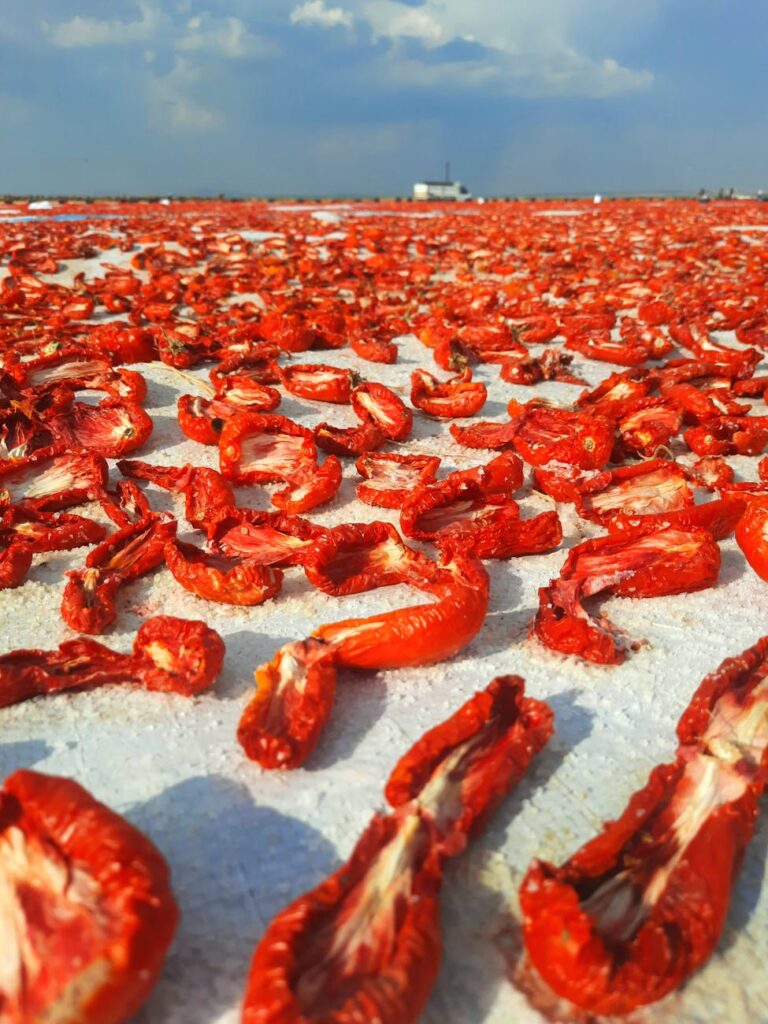
How Sun-Dried Tomatoes Are Farmed Commercially
Introduction
Sun-dried tomatoes have gained immense popularity in culinary applications worldwide, celebrated for their rich flavor and versatility. These dried fruits of the tomato plant, typically derived from varieties such as Roma or San Marzano, undergo a meticulous farming and processing journey that transforms them into the concentrated delicacy loved by chefs and home cooks alike. This article delves into the intricacies of how sun-dried tomatoes are commercially farmed, exploring their history, production methods, quality grading, and other essential aspects.
What Is Growing?
Growing sun-dried tomatoes involves cultivating tomato plants specifically for their fruit, which is then harvested and dried to create the sun-dried version. The cultivation process requires a thorough understanding of tomato farming, including soil preparation, planting, irrigation, pest management, and harvesting. The choice of tomato variety plays a crucial role, as certain types are better suited for drying due to their lower moisture content and higher sugar levels.
History and Origins
The practice of drying tomatoes dates back centuries, with origins tracing back to ancient civilizations, particularly in the Mediterranean region. The earliest recorded use of sun-drying tomatoes can be found in Italy, where the warm, sunny climate provided ideal conditions for this preservation method. Over time, sun-dried tomatoes became a staple ingredient in Italian cuisine and eventually gained prominence in other parts of the world.
Traditionally, tomatoes were sliced and laid out in the sun to dry naturally, a process that concentrated their flavors and extended their shelf life. As demand grew, particularly in the 20th century, commercial farming and processing methods evolved to meet the needs of consumers and restaurants, leading to the establishment of sun-dried tomatoes as a popular ingredient globally.
Production and Processing
Cultivation
1. Soil Preparation: Successful sun-dried tomato farming begins with soil preparation. Farmers typically utilize well-drained, sandy loam soil rich in organic matter. Soil testing is conducted to determine pH levels and nutrient content, allowing for the application of necessary fertilizers.
2. Planting: Tomatoes are usually planted in late spring to early summer, depending on the climate. Farmers choose varieties like Roma or San Marzano for their fleshy texture and lower moisture content, which are ideal for drying.
3. Irrigation: Adequate water supply is critical during the growing phase. Drip irrigation systems are often employed to ensure that plants receive consistent moisture while minimizing water waste.
4. Pest and Disease Management: Integrated pest management (IPM) strategies are implemented to control pests and diseases without relying heavily on chemical pesticides. This includes crop rotation, the use of beneficial insects, and organic treatments.
Harvesting
The harvesting of tomatoes for drying typically occurs when the fruits are fully ripe but still firm. Farmers check for color and firmness, ensuring optimal flavor and texture. Harvesting is usually done by hand or with mechanical harvesters, depending on the scale of production.
Drying Process
After harvesting, the tomatoes undergo a thorough washing process to remove any impurities. The next step involves slicing the tomatoes, often lengthwise, to facilitate drying. There are two primary methods for drying tomatoes: sun-drying and mechanical drying.
1. Sun-Drying: Traditionally, sliced tomatoes are laid out in the sun on drying trays, often covered with nets to protect them from pests. This method can take several days, depending on the climate.
2. Mechanical Drying: In commercial settings, mechanical dehydrators are frequently used for efficiency and consistency. This method allows for controlled temperature and humidity, reducing drying time to a few hours while preserving flavor and nutrients.
Once dried, the tomatoes are cooled and packaged for distribution. They may be stored as whole slices, chopped pieces, or ground into powder for various culinary applications.
Quality and Grading
The quality of sun-dried tomatoes is determined through rigorous grading standards that assess factors such as color, texture, flavor, and moisture content. Higher quality sun-dried tomatoes exhibit a deep red color, a chewy yet tender texture, and an intense flavor profile.
Grading categories may include:
- Grade A: Premium quality, rich color, and excellent flavor.
- Grade B: Good quality, acceptable color, and flavor, but may have slightly more moisture.
- Grade C: Lower quality, often used for processing rather than direct consumption.
- Salads and Breads: Chopped sun-dried tomatoes can enhance salads or be incorporated into bread and pastry dough for added flavor.
- Pasta and Sauces: They are often rehydrated and added to pasta dishes, providing a concentrated tomato flavor that elevates the entire meal.
- Pizza Toppings
Producers are increasingly adopting organic farming practices, which can also influence grading and marketability, appealing to health-conscious consumers.
Buying Considerations
When purchasing sun-dried tomatoes, several factors should be considered:
1. Source: Look for reputable producers or brands that prioritize quality and sustainable practices. Locally sourced sun-dried tomatoes can offer fresher options.
2. Packaging: Opt for vacuum-sealed packages or those in opaque containers to minimize light exposure, which can degrade quality over time.
3. Ingredients: Check for added preservatives or oils in the ingredient list. Ideally, sun-dried tomatoes should be free from additives, allowing their natural flavor to shine.
4. Moisture Content: Dried tomatoes should not feel excessively brittle or overly moist. A slight flexibility is often a good indicator of quality.
5. Price: Be aware that prices can vary based on quality, organic certification, and packaging. Higher prices may reflect better farming practices and superior quality.
Uses and Applications
Sun-dried tomatoes are versatile ingredients found in various culinary applications, ranging from appetizers to main dishes. Common uses include: