
How Sun-Dried Tomatoes Are Produced
Introduction
Sun-dried tomatoes are a unique culinary ingredient celebrated for their intense flavor and versatility. These dried fruits, typically from the Roma variety of tomato, have been embraced across various cuisines, adding depth to dishes ranging from pastas to salads. This article delves into the intricate process of producing sun-dried tomatoes, exploring their history, production methods, quality assessments, and practical considerations for culinary use.
What Is About?
Sun-dried tomatoes are tomatoes that have been dried in the sun, which concentrates their flavors and sugars, resulting in a rich, tangy taste. The drying process also extends the shelf life of tomatoes, making them available for use throughout the year. They can be found in many forms, including whole, diced, or as a paste. Their culinary applications are vast, often serving as a flavorful addition to dishes or as a base for sauces and spreads.
History and Origins
The practice of drying tomatoes dates back to ancient civilizations. The earliest records of sun-dried tomatoes can be traced to Southern Italy, where the warm climate and abundant sunshine made it an ideal location for drying fruits. It is believed that the technique was adopted as a preservation method, allowing tomatoes to be stored for extended periods without refrigeration.
Over centuries, the sun-drying process spread to other Mediterranean regions, where various cultures began to incorporate dried tomatoes into their local cuisines. Italian cuisine, in particular, has popularized sun-dried tomatoes, making them a staple ingredient in numerous traditional dishes. Today, they are produced in many countries, with notable production in Italy, the United States, and parts of Spain.
Production and Processing
Cultivation
The journey of sun-dried tomatoes begins in the field, where specific varieties of tomatoes are cultivated. The Roma tomato, known for its dense flesh and lower moisture content, is the most commonly used variety for drying. Farmers typically select ripe, healthy tomatoes that have been grown under optimal conditions, ensuring a robust flavor profile.
Harvesting
The harvesting of tomatoes for sun-drying occurs when the fruits reach peak ripeness, usually in late summer. Farmers hand-pick the tomatoes to ensure only the best specimens are selected, as damaged or overripe tomatoes can compromise the quality of the final product.
Washing and Slicing
Once harvested, the tomatoes are thoroughly washed to remove any dirt or pesticides. They are then sliced in half or into quarters, depending on the desired final product size. This step increases the surface area exposed to sunlight, facilitating more effective drying.
Drying Process
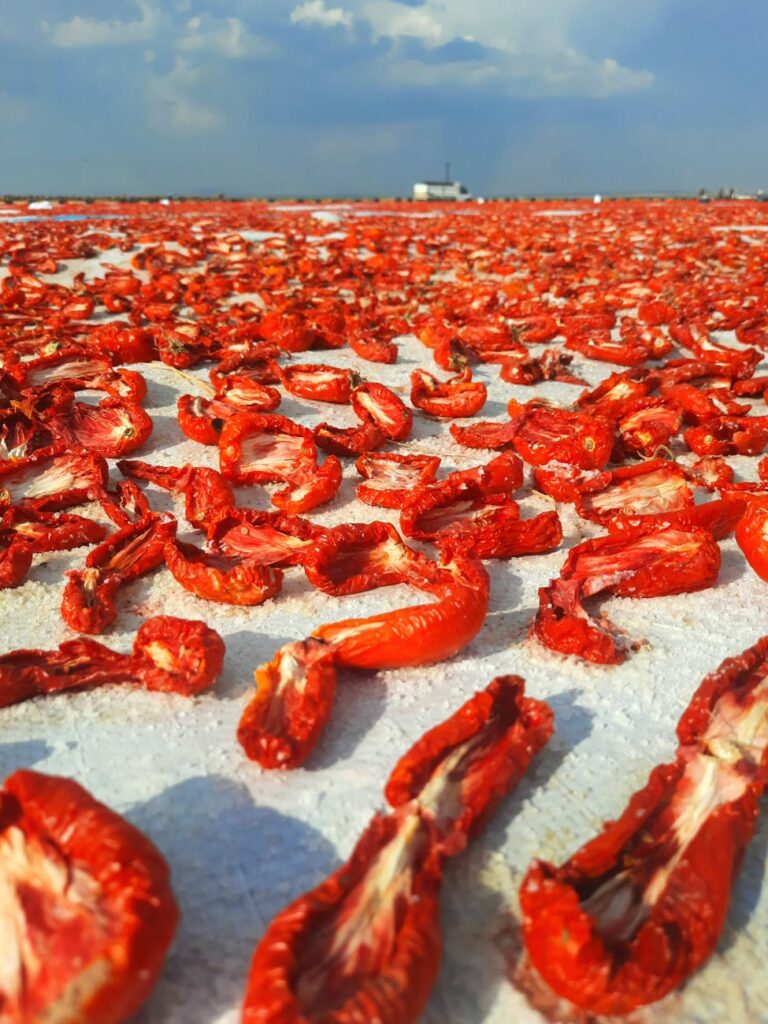
The drying process is crucial and can vary based on regional practices and climatic conditions. Traditionally, the sliced tomatoes are laid out in direct sunlight on racks or trays. This method can take several days, depending on humidity levels and temperature. The tomatoes must be monitored to ensure they dry evenly and do not spoil.
In modern production, controlled environments such as dehydrators or ovens may also be used to ensure consistent results, particularly in regions with less reliable sunshine. These methods allow for temperature regulation, reducing the risk of microbial growth while enhancing the drying efficiency.
Packaging
Once fully dried, the tomatoes are cooled and packaged for distribution. Packaging is vital in preserving the flavor and preventing moisture reabsorption. Many producers opt for vacuum-sealed bags or jars filled with oil to enhance flavor and extend shelf life.
Quality and Grading
Quality assessment is a critical aspect of sun-dried tomato production. Various factors determine the quality of sun-dried tomatoes, including:
- Color: High-quality sun-dried tomatoes should exhibit a deep red or reddish-brown hue. Faded or overly dark colors may indicate poor drying conditions or age.
- Texture: The texture should be leathery yet pliable, indicating proper moisture content. Overly hard or brittle tomatoes may have been over-dried, while excessively soft tomatoes may not have been dried sufficiently.
- Flavor: The taste should be rich and concentrated, with a balance of sweetness and acidity. Off-flavors may suggest spoilage or contamination.
- Pasta Dishes: They provide a burst of flavor and visual appeal when added to pasta salads, sauces, or baked dishes.
- Salads: Chopped sun-dried tomatoes can enhance salads, providing a chewy texture and tangy flavor that complements fresh greens.
- Pizzas and Flatbreads: They are often used as a topping, adding depth and complexity to the dish.
- Dips and Spreads: Blending sun-dried tomatoes with ingredients like cream cheese or nuts creates rich, flavorful spreads.
- Soups and Stews: They can be rehydrated
Grading systems may vary by region, but they generally categorize sun-dried tomatoes as premium, standard, or substandard based on these criteria. Buyers should check for quality certifications or standards when purchasing sun-dried tomatoes.
Buying Considerations
When purchasing sun-dried tomatoes, several factors should be considered to ensure the best choice:
1. Source: Look for reputable brands or producers known for quality. Local farmers’ markets or specialty stores often provide fresher options.
2. Type: Sun-dried tomatoes can be found in oil, dry-packed, or as a paste. Choose the type that best suits your culinary needs.
3. Ingredients: Check the ingredient list for any additives or preservatives. Authentic sun-dried tomatoes should have minimal ingredients—ideally just tomatoes, salt, and possibly oil.
4. Packaging: Opt for vacuum-sealed packaging to maintain freshness. If buying in bulk, ensure the storage conditions are appropriate to avoid spoilage.
5. Expiration Date: Always check the expiration or best-by date to ensure you are purchasing a fresh product.
Uses and Applications
Sun-dried tomatoes are incredibly versatile and can be used in a variety of culinary applications: