
How Sunchoke Is Produced
Introduction
Sunchokes, also known as Jerusalem artichokes or Helianthus tuberosus, are an intriguing root vegetable that has garnered increasing attention in culinary circles and health food markets. With their unique flavor profile, versatility, and nutritional benefits, sunchokes are gaining popularity among chefs and home cooks alike. This article delves into the production of sunchokes, tracing their journey from soil to table, while highlighting their history, processing methods, quality standards, and common misconceptions.
What Is About?
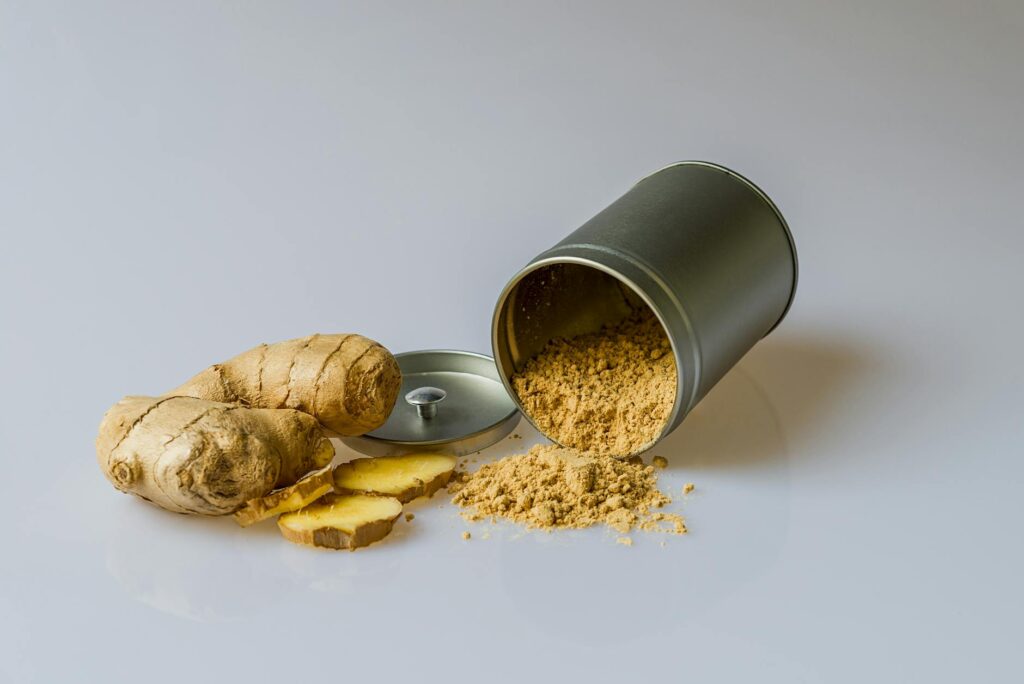
Sunchokes are tuberous roots of a sunflower species native to North America. Unlike traditional artichokes, which are flowering buds, sunchokes are edible roots that grow underground. They have a knobby appearance, akin to ginger or potatoes, and come in various shades, including beige, brown, and even purple. Their flavor is often described as nutty and slightly sweet, with a crisp texture when raw, making them suitable for various culinary applications.
History and Origins
Sunchokes have a rich history that dates back to Indigenous peoples in North America, who cultivated and consumed them long before European settlers arrived. The plant was introduced to Europe in the 17th century, where it was named “Jerusalem artichoke” due to a misinterpretation of the Italian word “girasole,” meaning sunflower. Over the years, sunchokes have been utilized not only as a food source but also as livestock feed and for soil improvement due to their ability to thrive in poor soil conditions.
The revival of interest in sunchokes can be traced back to the farm-to-table movement, where chefs began to explore heirloom and lesser-known vegetables. Today, they are cultivated in various regions, particularly in North America and Europe, where they thrive in diverse climates and soil types.
Production and Processing
Cultivation
Sunchokes are typically cultivated in well-drained, loamy soils that are rich in organic matter. They require full sun exposure and prefer moderate moisture levels, making them suitable for a wide range of climates. Planting usually occurs in early spring, and they can be grown from whole tubers or tuber pieces, which should be around 2-3 inches long.
The plants grow tall, reaching heights of 4 to 10 feet, and produce sunflower-like flowers that are attractive to pollinators. Once established, sunchokes are relatively low-maintenance, requiring minimal irrigation and pest control. They are often considered a sustainable crop due to their ability to flourish in adverse conditions without the need for chemical fertilizers or pesticides.
Harvesting
Harvesting typically occurs in the fall, after the first frost, which helps sweeten the tubers. Farmers use specialized equipment to dig up the tubers, often relying on machinery designed for potato harvesting. Care must be taken during this process to avoid damaging the tubers, as they can bruise easily.
Once harvested, sunchokes are washed to remove soil and debris, and they may undergo a preliminary sorting to eliminate damaged or diseased tubers. This initial processing is critical to ensure only high-quality sunchokes reach the market.
Processing
While sunchokes can be sold fresh, they may also undergo further processing. Common methods include:
- Washing and Packing: Fresh sunchokes are often washed, sorted, and packed in breathable containers to maintain freshness during transport.
- Dehydration: Some producers opt to dehydrate sunchokes for long-term storage or to create snacks and ingredients for other culinary uses.
- Pureeing: Sunchokes can be cooked and pureed for use in soups or sauces, providing an alternative to traditional starchy bases.
- U.S. Fancy: Large tubers, free from blemishes, with a uniform shape and smooth skin.
- U.S. No. 1: Slightly smaller tubers that may have minor imperfections but are otherwise sound and edible.
- U.S. No. 2: Smaller or irregularly shaped tubers, suitable for cooking but may not meet the aesthetic standards of higher grades.
- Appearance: Look for firm, unblemished tubers with smooth skin. Avoid those that show signs of sprouting or wrinkling.
- Size: While sunchokes come in various sizes, uniformity can indicate better quality. Smaller tubers are often sweeter.
- Freshness: Buy from reputable sources or farmers’ markets to ensure freshness. Sunchokes are best consumed shortly after harvest.
- Seasonality: Sunchokes are typically in season from late fall to early spring. Buying in season can enhance flavor and reduce costs.
- Raw Consumption: Sunchokes can be sliced thinly and added to salads for a crunchy texture.
- Cooking: They can be roasted, sautéed, or steamed, often serving as a substitute for potatoes or other starchy vegetables.
- Soups and Purees: When cooked and pureed, sunchokes impart a creamy texture to soups and sauces.
- Fermentation: Their natural sugars make sunchokes suitable for fermentation, adding complexity to pickles and other preserved foods.
Quality and Grading
Quality in sunchoke production is assessed based on several factors, including size, shape, texture, and overall appearance. The following grading categories are commonly recognized:
Quality control is essential, as sunchokes are often sold in bulk or as part of mixed vegetable offerings. Producers must adhere to strict standards to ensure that only the best products reach consumers.
Buying Considerations
When purchasing sunchokes, consumers should consider several factors to ensure they select high-quality produce:
Uses and Applications
Sunchokes are versatile ingredients that can be used in various culinary applications. Their unique flavor and texture make them suitable for:
Chefs appreciate s