
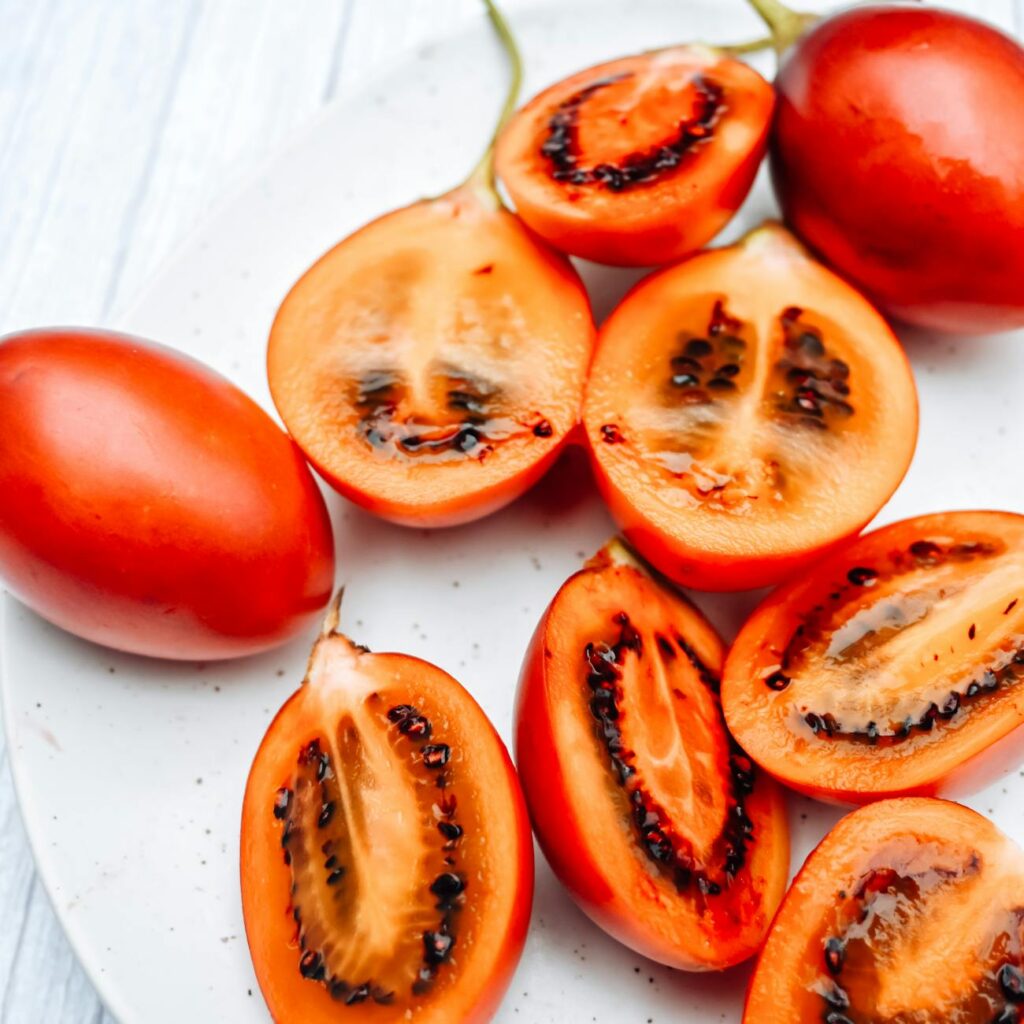
How Tamarillo Is Farmed Commercially
Introduction
Tamarillo, a vibrant fruit with a unique flavor profile, is becoming increasingly popular in global markets. Known for its striking colors, ranging from yellow and orange to deep red, this fruit thrives in specific climatic conditions and requires careful cultivation practices to ensure optimal yield and quality. This article provides a comprehensive overview of tamarillo farming, from its historical roots and growing conditions to the processing methods that prepare it for market.
What Is Growing?
Growing refers to the agricultural practices involved in cultivating plants, including preparation of the soil, planting, nurturing, and harvesting. In the case of tamarillo, a member of the Solanaceae family, these practices are tailored to its specific requirements. Tamarillos are perennial plants, typically grown as shrubs or small trees, and their cultivation demands a keen understanding of environmental factors, soil conditions, and pest management.
History and Origins
The tamarillo, also known as the tree tomato, is native to the Andes region of South America, particularly in countries like Colombia, Ecuador, and Peru. Indigenous populations have been cultivating this fruit for centuries, using it not only for sustenance but also for its cultural significance. The tamarillo was introduced to New Zealand in the late 19th century, where it gained popularity and was further developed through selective breeding. Today, tamarillo is grown in various regions worldwide, including parts of Australia, California, and Israel, adapting to diverse climates and conditions.
Production and Processing
Cultivation Practices
Tamarillo thrives in warm, subtropical to temperate climates, with optimal growing temperatures ranging from 18°C to 25°C (64°F to 77°F). The plants prefer well-drained, fertile soils rich in organic matter. Farmers begin their cultivation process by preparing the land, which often involves soil testing to determine pH and nutrient levels.
Planting
Tamarillo can be propagated from seeds, cuttings, or grafting, although the latter two methods are more common for commercial production due to their reliability in producing consistent fruit quality. The seedlings are typically planted during the warmer months, with spacing adjusted based on the desired growth pattern and intended mechanization of the farm.
Irrigation and Fertilization
Regular irrigation is crucial, especially during dry spells, as tamarillos require consistent moisture to develop properly. Drip irrigation is often preferred for its efficiency and effectiveness in delivering water directly to the roots. Fertilization is generally based on soil tests, with balanced fertilizers applied to support growth, fruiting, and overall plant health.
Pest and Disease Management
Integrated Pest Management (IPM) strategies are essential in tamarillo farming. Common pests include aphids, spider mites, and fruit flies, while diseases such as bacterial wilt and root rot can pose significant threats. Farmers often employ biological controls, resistant varieties, and judicious use of pesticides to maintain healthy crops while minimizing environmental impact.
Harvesting
Harvesting tamarillos is a delicate process that requires timing and care. The fruit is typically harvested when it reaches full color and size but before it becomes overripe. This often occurs about 90 to 120 days after flowering. Farmers usually hand-pick the fruit to avoid bruising and damage. Proper harvesting techniques are critical to maintaining the fruit’s quality and extending its marketability.
Quality and Grading
Post-harvest, tamarillos undergo grading to ensure they meet market standards. Quality factors include size, shape, color, and absence of blemishes or defects. The grading process often involves visual inspections and sometimes weight measurements.
Packaging
Once sorted, tamarillos are carefully packaged to minimize damage during transportation. They are typically packed in ventilated cartons to allow airflow and prevent moisture buildup, which can lead to spoilage. Proper packaging is essential for maintaining the fruit’s freshness and extending its shelf life.
Buying Considerations
When purchasing tamarillos, consumers should look for firm, unblemished fruit with vibrant color. The skin should be smooth and free from wrinkles, which can indicate overripeness. Tamarillos can be found in grocery stores, farmers’ markets, and specialty shops, with peak season varying by region.
Sustainability
As demand for tamarillo grows, sustainability becomes a crucial consideration. Farmers are increasingly adopting eco-friendly practices, such as organic farming and reduced pesticide usage, to meet consumer expectations for sustainable produce. Certifications like organic or fair trade can guide buyers in making informed choices.
Uses and Applications
Tamarillos are versatile fruits that can be used in various culinary applications. Their tangy flavor makes them suitable for salads, salsas, and sauces. Additionally, they can be processed into jams, jellies, or purees and are a popular ingredient in beverages. Their unique taste profile also lends itself to both sweet and savory dishes, making them a valuable addition to any kitchen.
Storage and Shelf Life
Tamarillos have a relatively short shelf life compared to other fruits. When stored at room temperature, they can last for about 5 to 7 days. For longer storage, refrigeration is recommended, extending their freshness up to two weeks. However, it is essential to handle them gently to avoid bruising, which can accelerate spoilage.
Ripening
If harvested before full ripeness, tamarillos can be left at room temperature to ripen. Once they reach the desired softness, they should be refrigerated to prolong their shelf life.
Common Misconceptions
Despite its growing popularity, several misconceptions about tamarillo exist:
1. Tamarillo Is a Tomato: While both are part of the Solanaceae family, tamarillo and traditional tomatoes differ significantly in flavor and use.
2. Only Red Tamarillos Are Edible: Tamarillos come in various colors, including yellow and orange, all of which are edible and have unique taste profiles.
3. Tamarillos Are Difficult to Grow: While they require specific conditions, with proper care and attention, tamarillos can be successfully cultivated in a variety of environments.
Frequently Asked Questions
1. What climate is best for growing tamarillo?
Tamarillos prefer warm, subtropical to temperate climates with temperatures between 18°C to 25°C (64°F to 77°F).
2. How long does it take for tamarillo trees to bear fruit?
Tamarillo trees generally begin to bear fruit within 12 to 18 months after planting.
3. Are there different varieties of tamarillo?
Yes, tamarillos come in various varieties, distinguished by color and flavor. Common types include red, yellow, and orange tamarillos.
4. How do you tell when a tamarillo is ripe?
A ripe tamarillo will feel slightly soft when gently squeezed and exhibit a rich, vibrant color.
5. Can tamarillos be grown indoors?
Yes, tamarillos can be grown indoors, provided they receive adequate sunlight, warmth, and humidity.
6. What is the best way to enjoy tamarillo?
Tamarillos can be enjoyed fresh, in salads, salsas, or beverages. They can also be cooked or processed into jams and sauces, showcasing their versatility.
Conclusion
Tamarillo farming is an intricate process that combines traditional agricultural practices with modern innovations. As this unique fruit gains popularity worldwide, understanding its cultivation, production, and applications becomes increasingly vital for both producers and consumers. With their distinctive flavor and versatile uses, tamarillos are set to carve out a significant niche in the global food landscape.