
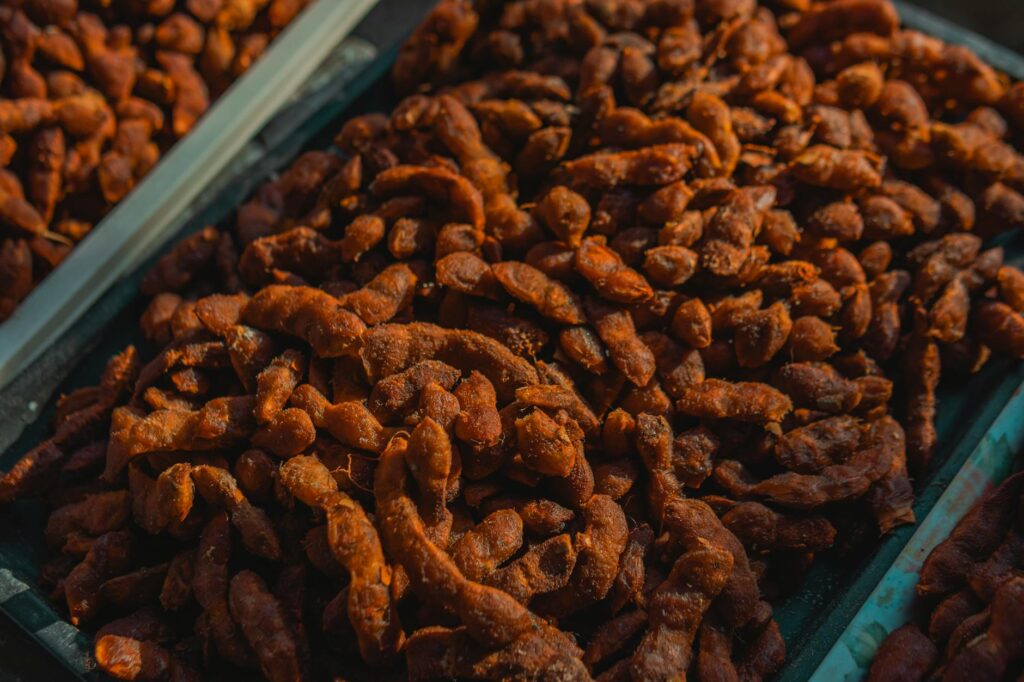
How Tamarind Is Farmed Commercially
Introduction
Tamarind (Tamarindus indica) is a tropical tree belonging to the legume family, primarily known for its pod-like fruit that contains a sweet and tangy pulp. Widely used in culinary applications across various cultures, tamarind is not only a flavor enhancer but also contributes to the nutritional and medicinal landscape. As global demand for tamarind continues to grow, understanding how this unique ingredient is farmed commercially becomes essential for producers, consumers, and culinary enthusiasts alike.
What Is Growing?
Growing, in the context of tamarind farming, refers to the cultivation practices involved in nurturing tamarind trees from seedling to maturity. This encompasses land preparation, planting, irrigation, pest management, and harvesting. Tamarind trees thrive in tropical and subtropical climates, and their cultivation requires specific environmental conditions and agricultural techniques to ensure optimal growth and fruit production.
History and Origins
Tamarind is believed to have originated in East Africa and later spread to India, where it has been cultivated for thousands of years. Its name derives from the Arabic term “tamr hindī,” meaning “Indian date.” The tree is now widely grown in tropical regions around the world, including Southeast Asia, the Caribbean, and parts of South America. Historically, tamarind has been utilized not just for its culinary properties but also in traditional medicine and as a natural preservative. Its journey from a wild tree to a cultivated crop reflects its significance in various cultures, making it an enduring ingredient in global cuisine.
Production and Processing
Cultivation Practices
Tamarind trees prefer well-drained soil with a pH level of 6 to 7.5. Before planting, land is often cleared and tilled to prepare a suitable seedbed.
1. Planting: Tamarind can be propagated through seeds or grafting. Seeds are typically sown in nurseries and later transplanted to the field when they reach a height of about 30 cm. Grafting is commonly employed to produce improved cultivars that yield better quality fruit.
2. Irrigation: While tamarind trees are drought-resistant, they benefit from regular watering during the early stages of growth. Drip irrigation is often used in commercial settings to conserve water and ensure consistent moisture levels.
3. Fertilization: Organic and inorganic fertilizers may be applied to enhance soil fertility. Essential nutrients such as nitrogen, phosphorus, and potassium are crucial for healthy growth and fruit production.
4. Pest and Disease Management: Common pests affecting tamarind trees include aphids, mealybugs, and locusts. Integrated pest management (IPM) practices are employed to minimize chemical use while effectively controlling pests. Diseases such as root rot and leaf spot can also impact yield, necessitating regular monitoring and preventive measures.
Harvesting
Tamarind pods typically mature within 6 to 8 months after flowering. Harvesting usually occurs twice a year, depending on local climatic conditions. The pods are handpicked when they turn brown and begin to crack open, indicating that the pulp is ripe. Careful handling is essential to avoid damaging the fruit during this process.
Processing
Post-harvest, tamarind undergoes processing to prepare it for market. This may include:
- Cleaning: Removing debris and dirt from the pods.
- Pulp Extraction: The pulp is extracted from the pods, often using mechanical methods to improve efficiency.
- Drying: The extracted pulp is dried to extend shelf life and concentrate flavors. Dried tamarind is commonly sold in blocks, paste, or powder form.
- Packaging: Proper packaging is crucial to maintain quality and prevent spoilage during transportation and storage.
- Culinary Uses: Tamarind is commonly used in sauces, marinades, chutneys, and beverages. Its unique flavor adds depth to both sweet and savory dishes.
- Cultural Significance: In many cultures, tamarind is an essential ingredient in traditional dishes. For example, it is a key component of Indian curries and Mexican salsas.
- Beverages: Tamarind juice is a popular drink in many countries. It can be consumed fresh or mixed with sugar and water to create a refreshing beverage.
- Condiments: Tamarind paste serves as a base for various condiments, enhancing dishes with its tangy flavor.
Quality and Grading
The quality of tamarind is assessed based on several factors, including color, taste, and moisture content. High-quality tamarind is typically dark brown, with a rich, tangy flavor and minimal impurities. Grading systems may vary by region, but generally, tamarind is categorized into grades based on its size, pulp yield, and overall condition.
Commercial producers often adhere to international quality standards to ensure their products meet market demands. Certifications such as ISO and HACCP may also be pursued to enhance the credibility of the product.
Buying Considerations
When purchasing tamarind, consumers should consider several factors:
1. Form: Tamarind is available in various forms, including fresh pods, dried pulp, paste, and concentrate. The choice depends on the intended use.
2. Quality: Look for tamarind that is free from mold, excessive moisture, or discoloration. High-quality tamarind should have a strong, pleasant aroma.
3. Source: Consider purchasing from reputable suppliers or brands that prioritize sustainable farming practices and ethical sourcing.
4. Storage: Proper storage conditions are essential for maintaining the quality of tamarind. Check for storage recommendations from the supplier.
Uses and Applications
Tamarind is incredibly versatile, finding its way into numerous culinary applications across the globe:
Storage and Shelf Life
The shelf life of tamarind varies depending