
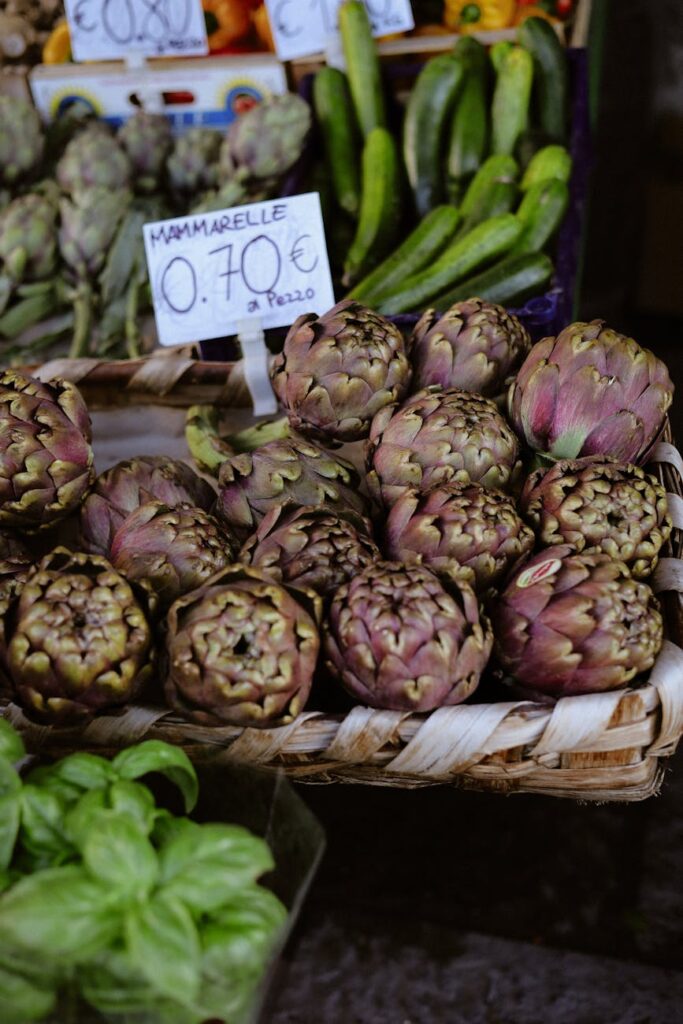
How to Choose High-Quality Artichoke
Introduction
Artichokes, with their striking appearance and unique flavor profile, are a staple in Mediterranean cuisine and have gained popularity worldwide. While this thistle-like vegetable is revered for its culinary versatility, selecting high-quality artichokes can be a daunting task, especially for those unfamiliar with the nuances of this ingredient. This article provides a comprehensive guide on how to choose high-quality artichokes, covering everything from their history and production to buying considerations and common misconceptions.
What Is Buying?
In the context of food ingredients, buying refers to the process of selecting and purchasing fresh produce, in this case, artichokes. It involves understanding the quality indicators, seasonal availability, and the sensory attributes that define a premium product. This process is crucial for chefs, home cooks, and anyone looking to elevate their culinary creations.
History and Origins
The artichoke (Cynara scolymus) is believed to have originated in the Mediterranean region, particularly in the vicinity of Sicily and the southern parts of Europe. Its cultivation dates back to ancient times, with references found in texts from the Greeks and Romans. Initially, artichokes were cultivated for their medicinal properties before being embraced as a food source.
By the 16th century, artichokes had made their way to France, where they became a culinary staple. Over time, the vegetable spread to the Americas, particularly California, which now accounts for a significant portion of artichoke production. The unique climate and soil conditions in coastal California create an ideal environment for growing high-quality artichokes, making them a key player in the global market.
Production and Processing
Artichokes thrive in temperate climates and require well-drained soil with ample sunlight. The plants are typically grown as perennials, meaning they can produce for several years if properly cared for. Harvesting occurs in the spring and early summer, with peak season varying slightly based on regional climate conditions.
After harvesting, artichokes undergo a processing stage that includes cleaning, trimming, and packaging. Fresh artichokes are usually sold whole, while some are available frozen or jarred. For those looking for convenience, canned artichokes are also common, though they may not provide the same flavor and texture as their fresh counterparts.
Quality and Grading
The quality of artichokes can be assessed based on several criteria:
1. Size: Premium artichokes are typically medium to large in size. Smaller artichokes may be tender and flavorful but often lack the substance preferred in many dishes.
2. Color: High-quality artichokes exhibit a vibrant green hue. While some varieties may have purplish tips, dull or browning areas may indicate age or poor storage conditions.
3. Firmness: A fresh artichoke should feel heavy for its size and have tightly closed leaves. Loose or open leaves suggest that the vegetable is overripe.
4. Freshness: Look for artichokes with a fresh, earthy smell. A strong odor may indicate spoilage.
5. Stem Condition: The stem of a fresh artichoke should be green and firm. A brown or dried-out stem can be a sign of age.
Artichokes are not formally graded like some other agricultural products. However, discerning buyers often develop their own criteria for assessing quality based on the above factors.
Buying Considerations
When it comes to purchasing artichokes, several factors should be taken into account:
1. Seasonality
Artichokes are best consumed during their peak season, which varies by region. In the United States, California artichokes are typically harvested from March to May and again in the fall. Knowing when artichokes are in season can help ensure you find the freshest options.
2. Source
Where you buy your artichokes can significantly impact their quality. Farmers’ markets often provide access to locally grown produce, which may be fresher than supermarket offerings. Additionally, consider supporting organic growers who prioritize sustainable farming practices.
3. Variety
There are several varieties of artichokes, including the Globe, Baby, and Jerusalem artichokes. The Globe artichoke is the most common variety found in markets, known for its large buds and meaty leaves. Understanding the differences between varieties can help you choose the right one for your culinary needs.
4. Visual Inspection
Always visually inspect artichokes before purchasing. Look for signs of freshness such as tight leaves and vibrant color. Avoid artichokes that show signs of browning or wilting, as these may indicate age or poor quality.
5. Price
While price can be an indicator of quality, it is not always the case. Artichokes can be relatively expensive, particularly during off-seasons. However, investing in higher-quality artichokes often yields better flavor and texture.
6. Storage Conditions
Consider how the artichokes have been stored before purchasing. Artichokes should be kept in a cool, moist environment, preferably in the refrigerator, to maintain freshness. If they appear to have been stored improperly, it may be best to select another batch.
Uses and Applications
Artichokes are incredibly versatile and can be used in various culinary applications. They can be grilled, steamed, boiled, or roasted and are often served as appetizers, in salads, or as side dishes. The tender hearts are prized for their rich flavor and are commonly used in dips and spreads.
Artichokes also pair well with a variety of ingredients, including lemon, garlic, olive oil, and cheeses. Their unique flavor and texture make them suitable for both simple preparations and more elaborate dishes.
Storage and Shelf Life
Storing artichokes properly is key to maintaining their freshness. Here are some guidelines:
1. Refrigeration: Fresh artichokes can be stored in the refrigerator for up to a week. Place them in a perforated plastic bag to maintain humidity and prevent moisture loss.
2. Freezing: If you have an abundance of artichokes, consider blanching and freezing them. This can extend their shelf life, though it may alter their texture.
3. Canned Artichokes: Canned artichokes can last for years if stored in a cool, dry place. Be sure to check the expiration date before use.
It is essential to inspect stored artichokes regularly for signs of spoilage, such as discoloration or an off smell.
Common Misconceptions
Despite their popularity, several misconceptions about artichokes persist:
1. Artichokes Are Difficult to Prepare: While they may seem intimidating, artichokes can be quite simple to prepare. With the right techniques, even novice cooks can easily enjoy this vegetable.
2. You Can Only Eat the Heart: Many people believe that only the heart of the artichoke is edible. In reality, the leaves are also delicious and can be enjoyed by scraping the tender flesh off with your teeth.
3. Artichokes Are Only for Fine Dining: Artichokes can be integrated into everyday meals, not just fancy dinners. Their unique flavor can elevate simple dishes and make them more exciting.
4. All Artichokes Taste the Same: Different varieties of artichokes can have distinct flavors and textures. Experimenting with various types can lead to delightful discoveries.
5. Artichokes Are a Seasonal Vegetable: While peak season is crucial for freshness, artichokes can be found year-round in many markets due to their varied growing regions.
Frequently Asked Questions
1. How do I know if an artichoke is fresh?
Fresh artichokes should be firm, with tightly closed leaves and a vibrant green color. Avoid those with wilted or brown spots.
2. Can I eat the leaves of an artichoke?
Yes, the leaves of an artichoke are edible. The tender flesh at the base of the leaves can be scraped off with your teeth.
3. What is the best way to cook artichokes?
Artichokes can be steamed, boiled, grilled, or roasted. The cooking method can affect their flavor and texture, so choose one that suits your dish.
4. Are there different types of artichokes?
Yes, various types include the Globe, Baby, and Jerusalem artichokes, each with unique characteristics and culinary uses.
5. How should I store artichokes?
Store fresh artichokes in the refrigerator in a perforated plastic bag to maintain humidity. They can last up to a week.
6. Can I freeze artichokes?
Yes, artichokes can be frozen after blanching. This can help preserve their quality, though it may change their texture.
In summary, choosing high-quality artichokes involves understanding their characteristics, sourcing them wisely, and preparing them with care. By following the guidelines outlined in this article, you can elevate your culinary creations and enjoy the delightful flavors of this unique vegetable.