
How to Choose High-Quality Arugula
Introduction
Arugula, also known as rocket or roquette, is a leafy green that has gained significant popularity in culinary circles around the globe. Its distinct peppery flavor and tender texture make it a versatile addition to various dishes, from salads to pasta. However, selecting high-quality arugula can significantly influence the overall taste and nutritional value of your meals. This article will guide you through the nuances of buying arugula, exploring its history, production, grading, and more.
What Is Buying?
Buying refers to the process of selecting and purchasing food ingredients based on several criteria, including quality, freshness, and intended use. When it comes to arugula, buyers must consider various factors, such as appearance, aroma, and even the source of the greens. Understanding these subtleties can help ensure that you choose arugula that not only enhances your dishes but also supports sustainable agricultural practices.
History and Origins
Arugula has a rich history that dates back to ancient Roman times, where it was cultivated for both culinary and medicinal purposes. Roman soldiers reportedly used arugula to enhance their libido, while it was also praised by the Greeks for its peppery flavor. The plant is native to the Mediterranean region, thriving in the temperate climates of countries like Italy and France.
Over the centuries, arugula spread across Europe and eventually made its way to North America in the late 20th century. Today, it is cherished in various cuisines, especially in Italian and Mediterranean dishes. Its resurgence in popularity has spurred a greater interest in sourcing high-quality arugula.
Production and Processing
Arugula is typically grown in temperate climates, where it flourishes in well-drained soil rich in organic matter. The growing season varies depending on the region but generally spans spring and fall. Arugula is quick to mature, often ready for harvest within 40 to 60 days after sowing.
The production process involves several stages:
1. Cultivation: Arugula seeds are sown directly into the soil, either in rows or in a broadcast method. The plants require moderate watering and ample sunlight.
2. Harvesting: Once the leaves reach a desirable size, they can be harvested. It’s essential to pick arugula at the right time, as over-maturity can lead to a bitter taste.
3. Processing: After harvesting, the arugula is typically washed to remove any soil or pests. It may then be packaged for distribution.
4. Transportation: Fresh arugula is sensitive and perishable, necessitating careful handling and rapid distribution to maintain quality.
Understanding the production process can help buyers appreciate the effort involved in cultivating high-quality arugula and make more informed choices when purchasing.
Quality and Grading
The quality of arugula can significantly impact its flavor and nutritional profile. When assessing arugula, consider the following grading criteria:
Appearance
High-quality arugula should have vibrant green leaves, free from yellowing or browning. The leaves should be firm and crisp, not wilted or limp. Look for uniformity in size, as this indicates careful harvesting practices.
Aroma
Fresh arugula emits a distinct, peppery aroma. A lack of scent or an off-putting odor may indicate aging or spoilage.
Texture
The leaves should feel crisp to the touch. Avoid arugula that has a slimy texture or shows signs of decay, such as dark spots or wilting.
Shelf Life
Fresh arugula typically has a shelf life of about five to seven days, depending on storage conditions. Knowing this can help buyers assess the freshness of the product when purchasing.
Buying Considerations
When purchasing arugula, a few key considerations can ensure you select the best quality:
Source
Consider buying arugula from local farmers’ markets or organic farms. Local sourcing often means fresher greens, as they have traveled shorter distances. Organic arugula may also be grown without harmful pesticides, making it a healthier choice.
Seasonality
Seasonality plays a crucial role in the quality of arugula. It is generally best to buy arugula during its peak growing seasons—spring and fall—when the greens are likely to be the freshest and most flavorful.
Packaging
If purchasing pre-packaged arugula, check for air-tight seals and clear labeling. Packaging should be intact, without any signs of damage or moisture, which could indicate spoilage.
Price
While price can be an indicator of quality, it is essential to balance cost with freshness. Sometimes, higher prices reflect better farming practices or organic certification.
Color and Size
Choose arugula with a rich green color and a good size. Smaller leaves tend to be more tender and flavorful, while larger leaves may become tougher and more bitter.
Uses and Applications
Arugula is a versatile ingredient that can be used in various culinary applications. Its peppery flavor pairs well with numerous foods:
- Salads: Arugula is often the star of fresh salads, adding a zesty kick.
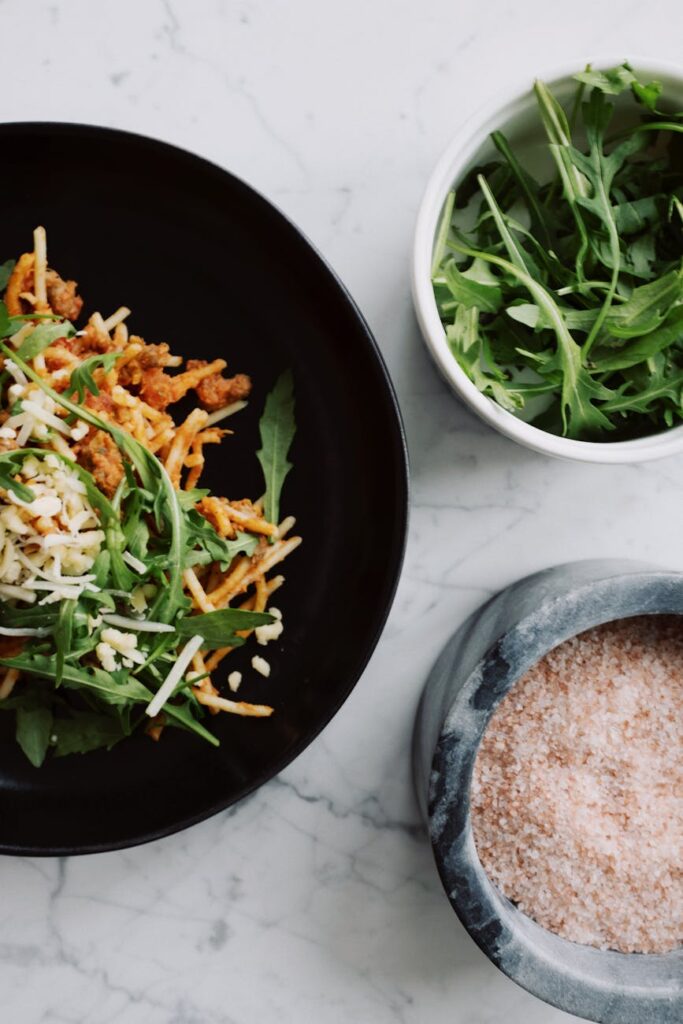
- Pasta Dishes: It can be incorporated into pasta, either raw or lightly sautéed, to enhance flavor.
- Pizzas: Adding arugula post-baking brings freshness and a peppery bite.
- Sandwiches: It serves as an excellent leafy green alternative to lettuce in sandwiches and wraps.
Understanding the various applications of arugula can guide buyers in selecting the right quality for their intended use.
Storage and Shelf Life
Proper storage is essential to maintain the freshness of arugula. Here are some tips:
1. Refrigeration: Store arugula in the refrigerator immediately after purchase. Ideally, it should be kept in the crisper drawer, which is designed to maintain humidity levels.
2. Packaging: If the arugula is pre-packaged, keep it in its original packaging. If bought loose, consider placing it in a breathable bag, such as a produce bag, to prevent moisture buildup.
3. Avoid Washing: Do not wash arugula until you are ready to use it; excess moisture can accelerate spoilage.
4. Use Within a Week: Aim to use arugula within five to seven days for optimal flavor and texture.
By following these storage guidelines, buyers can maximize the shelf life of their arugula and enjoy it at its freshest.
Common Misconceptions
All Arugula Is the Same
Many assume that all arugula varieties are identical, but there are different types, including wild arugula and the more commonly cultivated varieties. Wild arugula tends to have a more intense flavor and is often smaller and more delicate.
Arugula Is Only for Salads
While arugula is commonly used in salads, its versatility allows it to be used in numerous dishes, including soups, stir-fries, and as a garnish for meats and fish.
The Color Indicates Taste
While vibrant green leaves are often a sign of freshness, the color alone does not determine flavor. The taste can vary based on the growing conditions and maturity of the plant.
Frequently Asked Questions
1. How do I know if arugula is fresh?
Look for vibrant green leaves that are crisp and free from wilting or brown spots. A fresh arugula will also have a strong, peppery aroma.
2. Can I eat arugula raw?
Yes, arugula is commonly consumed raw in salads and as a garnish due to its peppery flavor.
3. Is there a difference between arugula and wild arugula?
Yes, wild arugula has a more intense flavor and smaller leaves compared to the cultivated variety.
4. How should I wash arugula before using it?
Rinse arugula under cold running water and gently pat it dry with a paper towel or a salad spinner to remove excess moisture.
5. Where can I buy high-quality arugula?
Local farmers’ markets, organic food stores, and reputable grocery chains often carry high-quality arugula. Look for options that emphasize local sourcing.
6. How can I store leftover arugula?
Store leftover arugula in the refrigerator in a breathable bag or its original packaging. Aim to use it within a week for the best quality.
By understanding the intricacies of buying high-quality arugula, you can enhance your culinary creations and appreciate this flavorful green at its best.