
How to Choose High-Quality Basil
Introduction
Basil, with its aromatic leaves and versatile applications, is a cornerstone herb in many culinary traditions worldwide. Its distinct flavor profile can elevate dishes, making it a favorite among chefs and home cooks alike. However, not all basil is created equal. Understanding how to select high-quality basil can significantly enhance your culinary experiences. This article will guide you through the essential aspects of choosing, storing, and utilizing basil to ensure you get the most from this beloved herb.
What Is Buying?
Buying refers to the process of acquiring products or goods, in this case, basil. When purchasing basil, it’s essential to consider various factors, including freshness, origin, and how it has been cultivated and processed. The quality of basil you select can influence not only the taste but also the overall success of your culinary endeavors. Understanding what to look for and where to source basil can make a significant difference in your cooking.
History and Origins
Basil (Ocimum basilicum) has a rich history dating back thousands of years. Believed to have originated in India, basil was revered in ancient cultures, often associated with spirituality and used in religious ceremonies. The herb eventually spread throughout the Mediterranean and later to the Americas, where it became integral to various cuisines. Today, basil comes in numerous varieties, each with its unique flavor and aroma, ranging from sweet to spicy.
The most common variety, sweet basil, is widely cultivated and utilized in Italian dishes, while Thai basil, with its anise-like flavor, is a staple in Southeast Asian cuisines. Understanding the historical context of basil can enhance your appreciation for this herb and inform your choices when purchasing it.
Production and Processing
The production of basil involves careful cultivation, harvesting, and processing. Basil thrives in warm climates and is typically grown in well-drained soil with plenty of sunlight. The best basil is often grown in organic settings, where it can develop its full flavor without the interference of synthetic pesticides or fertilizers.
Harvesting basil is a delicate process. The leaves are usually picked by hand to avoid damage, and the timing of the harvest is crucial. Basil leaves are best when they are young and tender, typically harvested just before the plant flowers, as this is when the leaves are at their most flavorful.
Once harvested, basil is often processed for various applications. It can be dried, frozen, or made into pesto and other condiments. Fresh basil is usually preferred for culinary uses, but understanding the production methods behind dried or processed basil can help consumers make informed decisions.
Quality and Grading
When it comes to basil, quality is paramount. The grading of basil typically considers several factors, including appearance, aroma, and taste. High-quality basil should have vibrant green leaves, free from blemishes or yellowing. The leaves should be plump and crisp, indicating freshness.
Aroma is another critical indicator of quality. Fresh basil should emit a strong, sweet fragrance, hinting at its essential oils. If the basil smells faint or has a musty odor, it may be past its prime.
In terms of grading, basil can often be found in various forms: fresh, dried, or processed. Fresh basil is generally considered the highest quality, while dried basil has a more concentrated flavor but may lack the complexity of fresh herbs. Understanding these grading nuances can assist you in selecting the best basil for your needs.
Buying Considerations
Selecting the right basil involves several considerations:
1. Fresh vs. Dried: Fresh basil is usually preferred for its superior flavor, but dried basil can be useful for long-term storage and convenience. When choosing dried basil, look for a vibrant color and a strong aroma.
2. Variety: Different varieties of basil offer distinct flavors. Sweet basil is often used in Italian cooking, while Thai basil is essential for Asian dishes. Consider what dish you are preparing to select the appropriate variety.
3. Source: Local farmers’ markets often yield the freshest basil, as it is likely harvested within the same day. If purchasing from a grocery store, check for products that are labeled organic or sustainably sourced.
4. Seasonality: Basil is typically in season during the warmer months. Purchasing basil in season can ensure better flavor and quality.
5. Packaging: For fresh basil, look for well-packaged herbs. They should be stored in a cool environment, away from direct sunlight. Avoid any packaging that shows signs of moisture, as this can indicate spoilage.
6. Price: While higher prices do not always guarantee better quality, extremely low prices may indicate inferior products. Balance cost with quality when making your selection.
Uses and Applications
Basil is an incredibly versatile herb with applications that span numerous cuisines. Its primary use is as a flavor enhancer in savory dishes, but it can also be used in desserts and beverages. Some common applications include:
- Pesto: Fresh basil is the star ingredient in traditional pesto, which blends basil with pine nuts, garlic, Parmesan cheese, and olive oil.
- Sauces: Basil adds depth to tomato sauces, enhancing the flavors in pasta dishes, pizzas, and casseroles.
- Salads: Fresh basil can be torn and added to salads for a burst of flavor.
- Garnish: Basil leaves can be used as a garnish, providing both visual appeal and a fresh flavor.
- Infusions: Basil can be used to infuse oils and vinegars, creating aromatic condiments.
- Refrigeration: Wrap fresh basil in a damp paper towel and place it in a plastic bag. Store it in the refrigerator’s crisper drawer. This method can extend its life for about a week.
- Water Method: For optimal freshness, trim the stems and place them in a glass of water, like a bouquet. Cover the leaves loosely with a plastic bag and keep it in the refrigerator. This can help keep the leaves crisp for several days.
- Freezing: Fresh basil can be frozen for long-term storage. Blanch the leaves briefly in boiling water, shock them in ice water, pat dry, and store them in airtight containers or freezer bags.
- Dried Basil Is Inferior: While fresh basil typically offers better flavor, high-quality dried basil can still be a valuable addition to dishes. It can be more convenient and longer-lasting, especially for those who cook less frequently.
- All Basil Tastes the Same: Different varieties of basil possess unique flavor profiles. Knowing the distinctions can enhance your culinary applications.
- Basil Is Easy to Grow: While basil can be grown at home, it requires specific conditions to thrive. Not all varieties are suitable for all climates, and successful cultivation can involve trial and error.
Understanding the diverse applications of basil can help you maximize its use in your culinary repertoire.
Storage and Shelf Life
Proper storage is crucial for maintaining the quality of basil. Here are some effective methods for storing both fresh and dried basil:
Fresh Basil
Dried Basil
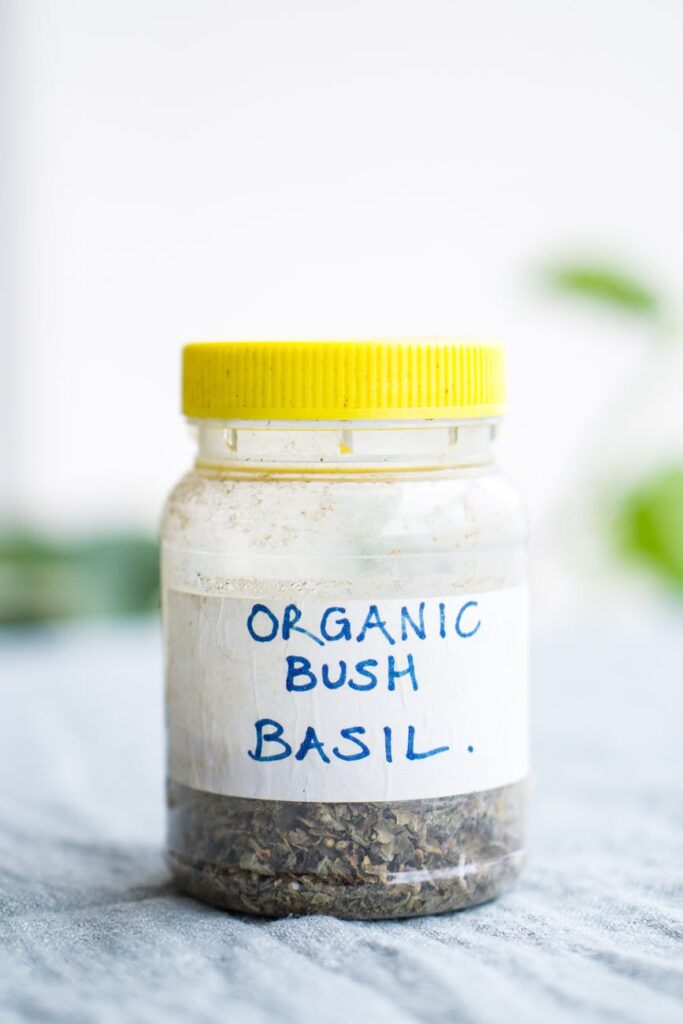
Dried basil should be stored in a cool, dark place in an airtight container. It has a longer shelf life than fresh basil, lasting up to two to three years if stored properly. However, its flavor will diminish over time, so it’s essential to check for aroma and color before use.
Common Misconceptions
Despite its popularity, there are several misconceptions surrounding basil:
Frequently Asked Questions
1. How can I tell if basil is fresh?
Look for vibrant green leaves that are free from spots or wilting. Fresh basil should also emit a strong, sweet aroma.
2. Can I use dried basil instead of fresh?
Yes, but remember that dried basil is more concentrated in flavor. A general rule of thumb is to use one-third the amount of dried basil as you would fresh.
3. Where is the best place to buy basil?
Local farmers’ markets are often the best source for fresh basil. If shopping in a grocery store, look for organic options and check the packaging for freshness.
4. How should I store fresh basil?
Wrap fresh basil in a damp paper towel and place it in a plastic bag in the refrigerator. Alternatively, you can store it in a glass of water like a bouquet.
5. How long does basil last?
Fresh basil typically lasts about a week in the refrigerator, while dried basil can last two to three years if stored properly.
6. What is the difference between sweet basil and Thai basil?
Sweet basil has a milder, sweeter flavor commonly used in Italian cooking, while Thai basil has a spicier, anise-like flavor, making it ideal for Asian dishes.
Conclusion
Choosing high-quality basil is essential for maximizing the flavor and effectiveness of your culinary creations. By understanding the history, production methods, quality indicators, and storage options, you can make informed decisions that elevate your cooking. Whether you prefer the fresh aroma of sweet basil or the unique flavor of Thai basil, being knowledgeable about this herb will enhance your culinary experience, allowing you to enjoy its rich flavors for years to come.