
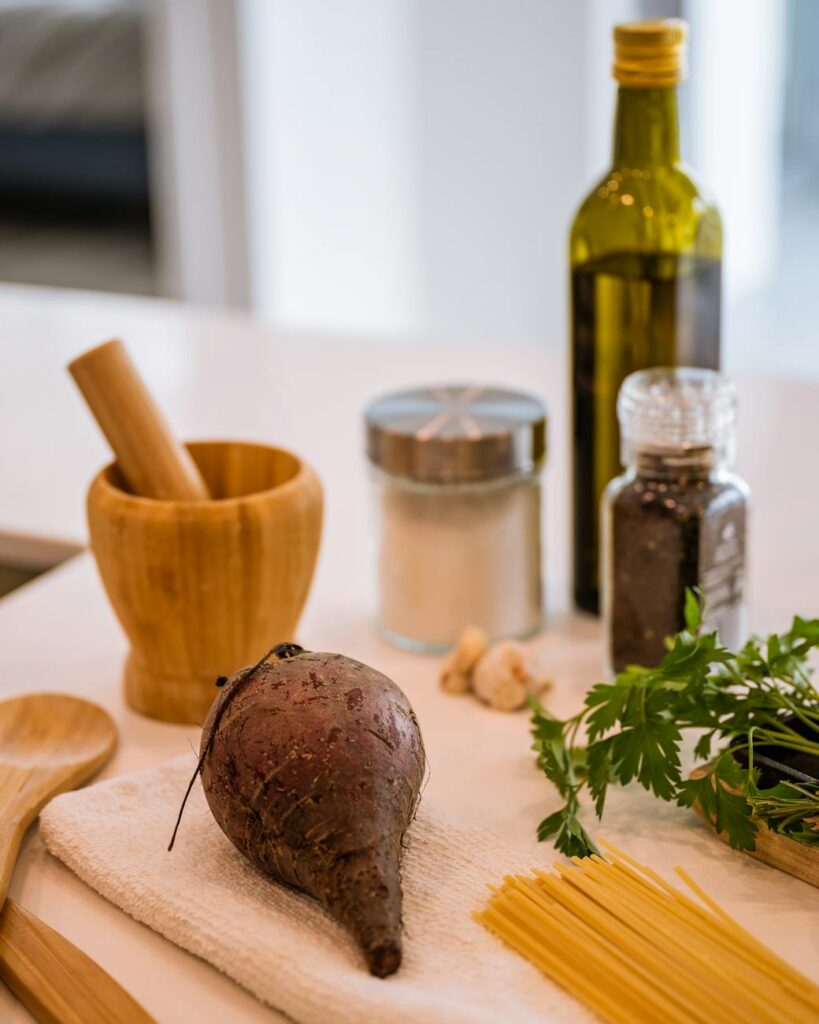
How to Choose High-Quality Beetroot
Introduction
Beetroot, often simply referred to as beets, is a vibrant root vegetable that has gained popularity worldwide for its distinctive flavor, nutritional benefits, and versatility in culinary applications. As consumers become increasingly health-conscious, understanding how to select high-quality beetroot becomes essential. This comprehensive guide explores the nuances of buying beetroot, ensuring you make informed decisions that elevate your culinary experiences.
What Is Buying?
In the context of food ingredients, “buying” refers to the process of selecting, purchasing, and acquiring food items, with a focus on quality, freshness, and suitability for specific culinary applications. For beetroot, this involves not only understanding its physical characteristics but also considering factors such as seasonality, sourcing, and storage. A well-informed purchasing decision can significantly enhance the flavor and nutritional value of your dishes.
History and Origins
Beetroot’s history dates back to ancient civilizations, where it was primarily cultivated for its leaves. The roots of the beet plant, known as Beta vulgaris, were not widely consumed until the Roman era when they began to gain popularity as a food source. Initially, beetroot was prized for its medicinal properties and color, with its deep red hue later becoming a staple in various cuisines.
The cultivation of beetroot spread throughout Europe and eventually to other parts of the world. In the 19th century, it became a commercial crop, particularly in sugar production, leading to the development of the sugar beet. Today, beetroot is grown in many regions, with varieties adapted to diverse climates and culinary traditions.
Production and Processing
Beetroot is cultivated globally, with major producers including Russia, the United States, and Europe. The cultivation process begins with selecting high-quality seeds, which are sown in well-drained, fertile soil. Beetroots thrive in cooler climates, with optimal growth occurring during the spring and fall months. The plants require regular watering and protection from pests and diseases, making careful management essential for successful harvesting.
Once harvested, beetroot undergoes processing that includes washing, trimming, and sometimes cooking or pickling. Fresh beets are typically sold in bunches with their greens still attached, while processed varieties may be found in jars, cans, or frozen forms. Understanding how your beetroot has been processed can influence your choice, especially if you prioritize freshness and minimal handling.
Quality and Grading
When selecting beetroot, quality is paramount. High-quality beets should have a smooth, firm exterior, free from blemishes, soft spots, or signs of decay. The color should be vibrant and consistent, indicating freshness. Generally, smaller beets (about 2-3 inches in diameter) tend to be sweeter and more tender than larger ones, which can be woody or fibrous.
Grading systems may vary by region, but common indicators of quality include:
- Size: Consistency in size can indicate careful harvesting and grading.
- Color: A rich, deep red color signifies good quality, while pale or dull beets may be less flavorful.
- Shape: Round, uniform shapes are preferred; irregularly shaped beets may be older or less desirable.
- Freshness: Look for fresh greens attached to the tops; wilting greens can indicate older produce.
- Salads: Roasted or pickled beetroot adds a pop of color and flavor.
- Soups: Borscht, a traditional Eastern European soup, highlights beetroot’s natural sweetness.
- Juices and Smoothies: Raw beetroot is an excellent addition to healthy beverages, providing vibrant color and nutrition.
- Garnishes: Shaved or grated beetroot can enhance dishes as a striking garnish.
- Baking: Beetroot can be incorporated into baked goods like brownies, adding moisture and a subtle sweetness.
- Refrigerator: Fresh beetroot can last up to 2-3 weeks when stored correctly.
- Cooked Beetroot: Once cooked, beetroot should be refrigerated in an airtight container and consumed within 3-5 days.
- Freezing: For long-term storage, beetroot can be blanched and frozen, retaining its quality for up to a year.
Buying Considerations
When purchasing beetroot, consider the following factors to ensure the highest quality:
1. Seasonality: Fresh beetroot is usually in season from late summer to early spring. Buying in-season produce often guarantees better flavor and texture.
2. Source: Local farmers’ markets often provide the freshest options. Additionally, organic beets can be a better choice for those concerned about pesticide use.
3. Storage Conditions: Ensure that the beetroot has been stored properly, ideally in cool, moist environments. Avoid beets that have been left in warm, dry conditions.
4. Varieties: Familiarize yourself with different beet varieties—such as Chioggia (striped), Golden, and Detroit Red—each offering unique flavors and culinary uses.
5. Appearance: Always inspect the beets for signs of freshness, as previously mentioned. Avoid those with shriveled skins or soft spots.
6. Preparation Method: Consider how you plan to use the beetroot. Some varieties are better suited for roasting, while others may be ideal for salads or juicing.
Uses and Applications
Beetroot is a versatile ingredient that can be utilized in a myriad of culinary applications. Its sweet, earthy flavor pairs well with various ingredients, making it suitable for:
Storage and Shelf Life
Proper storage is key to maintaining the quality of beetroot. Fresh beets can be stored in the refrigerator, preferably in a perforated plastic bag to retain moisture. The greens, if still attached, should be removed to prevent moisture loss and decay.
Common Misconceptions
Several misconceptions exist around beetroot that can lead to confusion when purchasing:
1. All Beets Are Red: While red beets are the most common, beetroot also comes in yellow, white, and striped varieties, each offering unique flavors and uses.
2. Bigger Is Better: Many assume that larger beets are superior; however, smaller beets are often sweeter and more tender.
3. Beetroot Is Only for Salads: While it is a popular salad ingredient, beetroot can be used in various dishes, from soups to desserts.
4. You Must Peel Beetroot: While peeling is common, especially for cooked beetroot, many culinary experts recommend leaving the skin on for roasting to enhance flavor and retain moisture.
Frequently Asked Questions
1. How do I choose the best beetroot at the store?
Look for firm, smooth-skinned beets with a deep, vibrant color. Avoid any that are soft, shriveled, or have blemishes.
2. Can I eat beetroot raw?
Yes, beetroot can be enjoyed raw, often grated or thinly sliced in salads or juices.
3. What is the best way to store fresh beetroot?
Store fresh beetroot in the refrigerator in a perforated plastic bag, removing any greens to prolong freshness.
4. How long does cooked beetroot last in the refrigerator?
Cooked beetroot can be stored in an airtight container in the refrigerator for 3-5 days.
5. Are there different varieties of beetroot, and how do they differ in taste?
Yes, there are several varieties, such as Chioggia, Golden, and Detroit Red. Each has its unique flavor profile, with Chioggia having a milder, sweeter taste and Golden being less earthy.
6. Can I freeze beetroot?
Yes, beetroot can be blanched and frozen for long-term storage, retaining its quality for up to a year.
Choosing high-quality beetroot is a rewarding endeavor that enhances your culinary repertoire. By understanding the factors that influence quality, storage, and applications, you can make informed decisions that elevate your cooking and enjoyment of this vibrant root vegetable.