
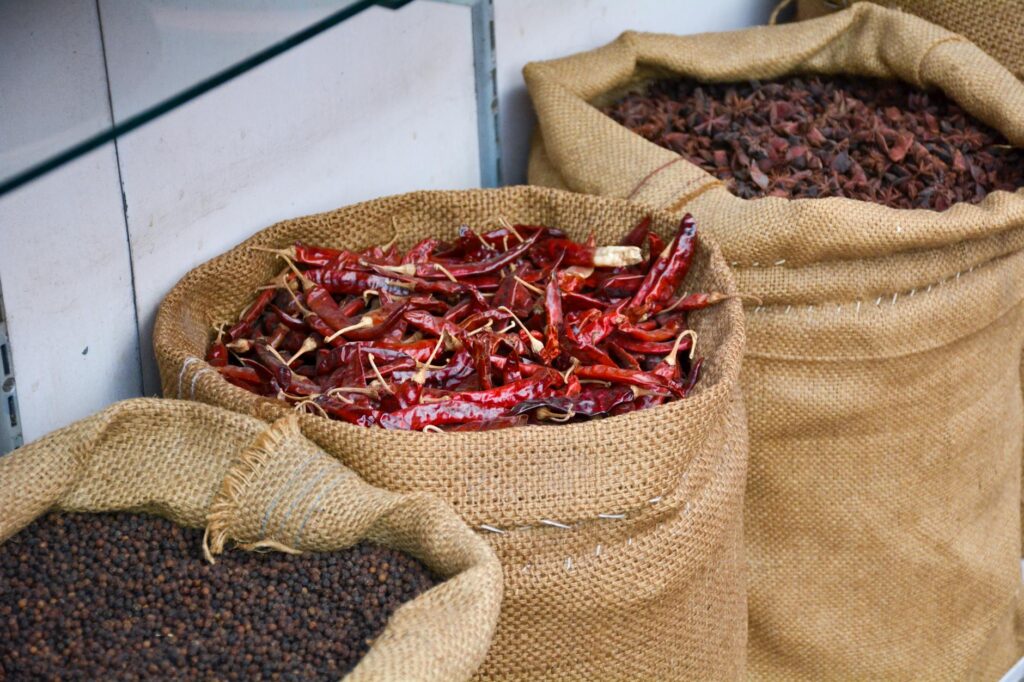
How to Choose High-Quality Black Pepper
Introduction
Black pepper, often referred to as the “king of spices,” is one of the most widely used seasoning agents in culinary traditions across the globe. Its robust flavor profile and versatility make it a staple in kitchens, restaurants, and food processing facilities alike. However, not all black pepper is created equal. Understanding how to select high-quality black pepper can significantly enhance your culinary experiences and ensure that you are receiving the best flavor and aroma from this iconic spice.
What Is Buying?
Buying refers to the process of selecting and purchasing goods, in this case, black pepper. When it comes to spices, buying is not just about choosing a product off the shelf; it involves understanding the nuances that differentiate high-quality black pepper from inferior varieties. This includes knowledge of the source, processing methods, and sensory attributes, which collectively influence the flavor, aroma, and overall quality of black pepper.
History and Origins
Black pepper (Piper nigrum) has a rich history that dates back thousands of years. Native to the Malabar Coast of India, it has been a valuable commodity since ancient times, often used in trade. In fact, black pepper played a significant role in the spice trade, influencing global exploration and commerce. It was once so prized that it was used as currency and offered as tributes to rulers. The Romans referred to it as “black gold,” reflecting its high value.
As it spread through trade routes, black pepper took root in various regions, including Southeast Asia and Africa, where local varieties emerged. Today, India remains the largest producer of black pepper, with significant contributions from Vietnam, Brazil, and Indonesia.
Production and Processing
The production of black pepper involves several key steps:
1. Cultivation: Black pepper is grown on vines that require a warm, humid climate, thriving in tropical regions. The plant typically takes three to four years to mature and begins producing berries, which are harvested when they are still green.
2. Harvesting: The berries are hand-picked during the harvest season, which varies by region but generally occurs when the fruit is about to ripen.
3. Processing: After harvesting, the green berries undergo a drying process. This can be achieved through sun-drying or mechanical methods. Sun-drying allows the berries to ferment slightly, which contributes to the development of flavor. The dried berries are then known as black peppercorns.
4. Sorting and Grading: Once dried, the peppercorns are sorted based on size and quality. This is an essential step in the production process, as it directly impacts the final product’s flavor and aroma.
5. Packaging: Finally, the sorted and graded black pepper is packaged for distribution, whether for retail or bulk sales.
Quality and Grading
The quality of black pepper is judged on several criteria, including size, aroma, color, and flavor. The grading system may vary by region, but the following classifications are commonly recognized:
1. Tellicherry Pepper: Often regarded as the highest quality, Tellicherry peppercorns are larger and have a more complex flavor profile than standard black pepper. They are harvested from specific regions in India.
2. Malabar Pepper: Another premium variety from India, Malabar pepper offers a well-rounded flavor with a balance of heat and aroma.
3. Lampong Pepper: Hailing from Indonesia, Lampong pepper is known for its strong, pungent flavor and is often used in blends for its bold profile.
4. Vietnamese Pepper: This variety is characterized by its bright, fruity notes and is increasingly popular in international markets.
When purchasing black pepper, look for whole peppercorns rather than pre-ground varieties. Whole peppercorns retain their flavor longer and provide a more aromatic experience when freshly ground.
Buying Considerations
When selecting black pepper, consider the following factors:
1. Form: Whole peppercorns are generally superior to pre-ground pepper in terms of flavor and aroma. If possible, invest in a good pepper grinder for the freshest experience.
2. Origin: Pay attention to the source of the black pepper. Quality can vary significantly based on geographic origin. Research reputable suppliers who provide information about their products.
3. Appearance: Look for uniformity in size and color. High-quality black pepper should have a consistent dark brown to black hue, with a slightly wrinkled surface.
4. Aroma: Fresh black pepper should emit a strong, aromatic fragrance. If the aroma is faint or musty, it may indicate age or poor quality.
5. Packaging: Ensure that the packaging is airtight and opaque to protect the pepper from light and moisture, which can degrade quality.
6. Freshness: Check for a harvest date or best-before date. Fresh black pepper retains its flavor more effectively than older stock.
7. Price: While price can be an indicator of quality, it is not the only factor. Compare different brands and suppliers to find the best balance between cost and quality.
Uses and Applications
Black pepper is incredibly versatile and can be used in a multitude of culinary applications:
- Seasoning: It enhances the flavor of meats, vegetables, and grains, making it a vital ingredient in savory dishes.
- Marinades and Rubs: Black pepper is often combined with other spices in marinades and rubs, adding depth to the flavor profile.
- Sauces and Soups: Its pungency complements the richness of sauces and the subtle flavors of soups, making it a staple in many recipes.
- Baking: Interestingly, black pepper can also be used in baking, especially in spiced cakes and cookies, where it adds warmth and complexity.
- Infusions: Chefs often use black pepper to infuse oils, vinegars, and spirits, enhancing their flavor.
- Keep it Cool and Dry: Store black pepper in a cool, dry place away from direct sunlight. A pantry or spice cabinet is ideal.
- Airtight Containers: Use airtight containers to prevent moisture absorption and preserve flavor.
- Avoid Heat Sources: Keep pepper away from ovens, stoves, or other heat-producing appliances that can degrade its quality.
Storage and Shelf Life
Proper storage is crucial for maintaining the quality of black pepper. Follow these guidelines:
When stored correctly, whole black peppercorns can last up to three years, while ground pepper typically has a shorter shelf life of six months to a year. Always check for any signs of spoilage, such as off odors or changes in color, before use.
Common Misconceptions
1. All Black Pepper Is the Same: This is a common myth. Black pepper varies widely in quality, flavor, and aroma based on its origin and processing methods.
2. Ground Pepper Is Just as Good as Whole: Whole peppercorns retain their flavor and aroma much longer than pre-ground pepper, making them a superior choice for culinary applications.
3. Black Pepper Is Always Spicy: While black pepper does have a certain level of heat, its flavor profile is complex, with notes of earthiness and floral undertones.
4. Organic Equals Better Quality: While organic black pepper is grown without synthetic pesticides, it doesn’t automatically guarantee better flavor. Always consider the source and processing methods.
Frequently Asked Questions
1. How can I tell if my black pepper is fresh?
Fresh black pepper should have a strong, aromatic scent. If the aroma is weak or musty, it may be old or degraded.
2. What is the best way to grind black pepper?
Using a manual or electric pepper grinder allows for a consistent grind. Adjust the coarseness based on your culinary needs, from fine for sauces to coarse for seasoning meats.
3. Can I use black pepper in desserts?
Yes! Black pepper can add depth to desserts, particularly in spiced cakes and cookies, where its warmth complements sweet flavors.
4. Is there a difference between black, white, and green pepper?
Yes, they are all derived from the same plant but processed differently. Black pepper is harvested when the berries are still green and dried, white pepper is fermented and has its outer skin removed, and green pepper is harvested unripe and often pickled or freeze-dried.
5. How much black pepper should I use in cooking?
The amount varies depending on personal taste and the dish. Start with a small amount and adjust according to your preference, keeping in mind that it can be quite potent.
6. Can black pepper go bad?
While it doesn’t spoil in the traditional sense, black pepper can lose its flavor and aroma over time. Proper storage can help maintain its quality.
In conclusion, selecting high-quality black pepper requires attention to detail and an understanding of its complexities. By considering factors such as origin, aroma, and processing, you can ensure that you are choosing a product that will enhance your culinary creations. Whether you are a home cook or a professional chef, investing time in understanding and selecting the right black pepper will undoubtedly elevate your dishes.