
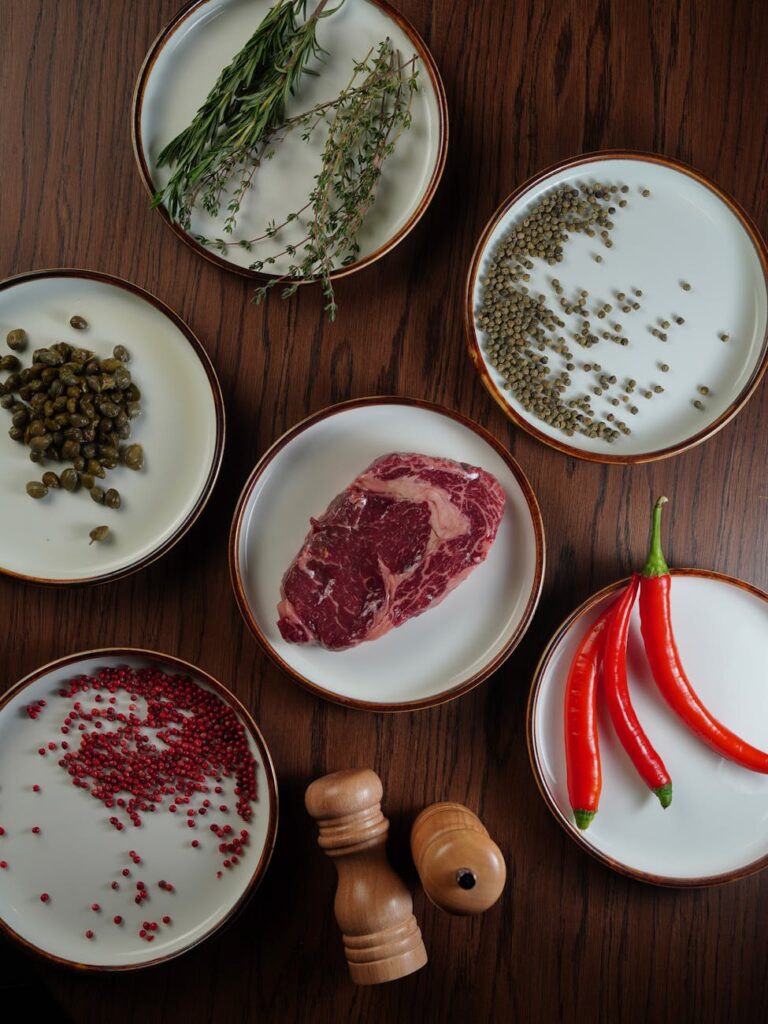
How to Choose High-Quality Capers
Introduction
Capers are small, green flower buds that have been used for centuries in culinary traditions around the globe. Known for their tangy, briny flavor, they add a unique touch to a wide array of dishes, from Mediterranean cuisine to modern fusion recipes. However, not all capers are created equal, and understanding how to choose high-quality capers can elevate your cooking and enhance your meals. This article delves into the intricacies of buying capers, shedding light on their history, production, quality grading, and more.
What Is Buying?
In the context of culinary ingredients, “buying” refers to the process of selecting and purchasing food items based on a variety of factors, including quality, freshness, and price. When it comes to capers, making informed decisions is essential. High-quality capers can significantly affect the flavor profile of a dish, and understanding how to evaluate their quality can lead to better culinary outcomes.
History and Origins
Capers have a rich history, tracing back to ancient civilizations. They are believed to have originated in the Mediterranean region, particularly in areas like Sicily and Southern Italy, where they thrive in arid climates. The caper plant, Capparis spinosa, grows wild in these regions, often in rocky, sunny areas.
Historically, capers were prized not only for their unique flavor but also for their medicinal properties. Ancient Greeks and Romans utilized them in various ways, and they were often featured in feasts and banquets. Today, the culinary use of capers has expanded globally, yet they remain especially popular in Mediterranean dishes such as puttanesca sauce, salads, and seafood preparations.
Production and Processing
The production of capers involves careful harvesting and processing to preserve their distinct flavor. The buds are typically harvested before they bloom, as this is when they are most flavorful. After harvesting, capers can be preserved in several ways, with the most common methods being brining and salting.
1. Brining: This method involves soaking the capers in a salty solution, which enhances their flavor and extends their shelf life. The brined capers are often found in jars and are ready to use straight from the container.
2. Salting: Capers can also be packed in salt, which not only preserves them but also intensifies their flavor. Salt-packed capers require rinsing to remove excess salt before use.
The processing of capers is crucial in determining their final quality. High-quality capers are often harvested by hand to minimize damage to the delicate buds, and they are processed promptly to ensure freshness.
Quality and Grading
When selecting capers, understanding their quality and grading is vital. Capers are graded based on size, flavor, and preservation method.
Size
Capers are available in several sizes, ranging from tiny non-pareil to larger varieties. The size often correlates with the intensity of flavor and saltiness. Here’s a breakdown:
- Non-Pareil: The smallest and often considered the highest quality; they have a delicate flavor and are ideal for gourmet dishes.
- Capucine: Slightly larger than non-pareil, these are still high-quality but may have a more pronounced flavor.
- Surfines: These are medium-sized capers, typically used in everyday cooking.
- Colossal: The largest size, often used for specific dishes where a strong caper flavor is desired.
- Pasta Dishes: Adding capers to sauces like puttanesca or creamy Alfredo can add a punch of flavor.
- Salads: Tossing capers into salads, such as a Niçoise or Mediterranean salad, elevates the dish with a burst of tanginess.
- Seafood: Capers pair beautifully with fish, especially in preparations like piccata or as a garnish for grilled salmon.
- Meat: They can enrich meat dishes, serving as a briny contrast to richer flavors in chicken or pork
Flavor
The flavor profile of capers can vary based on their preservation method. Brined capers tend to have a more mellow flavor, while salt-packed capers offer a stronger, more concentrated taste. High-quality capers should have a balanced brininess, with a floral note that hints at their origin.
Packaging
The packaging of capers can also indicate their quality. Look for products in glass jars or vacuum-sealed bags. These methods help preserve the capers’ flavor and prevent spoilage. Avoid containers that appear damaged or have compromised seals, as these can lead to contamination and loss of quality.
Buying Considerations
When purchasing capers, several factors should be considered to ensure you select the highest quality product:
1. Source: Choose capers sourced from reputable regions known for their production, such as Italy or Morocco. These areas have a long-standing tradition of caper cultivation and processing.
2. Ingredients: Check the label for additional ingredients. High-quality capers should have minimal ingredients—typically just capers, salt, and possibly vinegar or water. Avoid products with artificial preservatives or additives.
3. Storage Conditions: Pay attention to how the capers are stored in the store. Products should be kept in a cool, dry place away from direct sunlight. If purchasing online, consider delivery conditions to ensure freshness upon arrival.
4. Brand Reputation: Opt for brands known for their quality. Research customer reviews and seek recommendations from culinary experts to find trustworthy producers.
5. Price: While price alone is not an indicator of quality, extremely low-priced capers may compromise on flavor and freshness. Invest in quality products for the best culinary experience.
Uses and Applications
Capers are versatile ingredients that can enhance a wide array of dishes. They are commonly used in: