
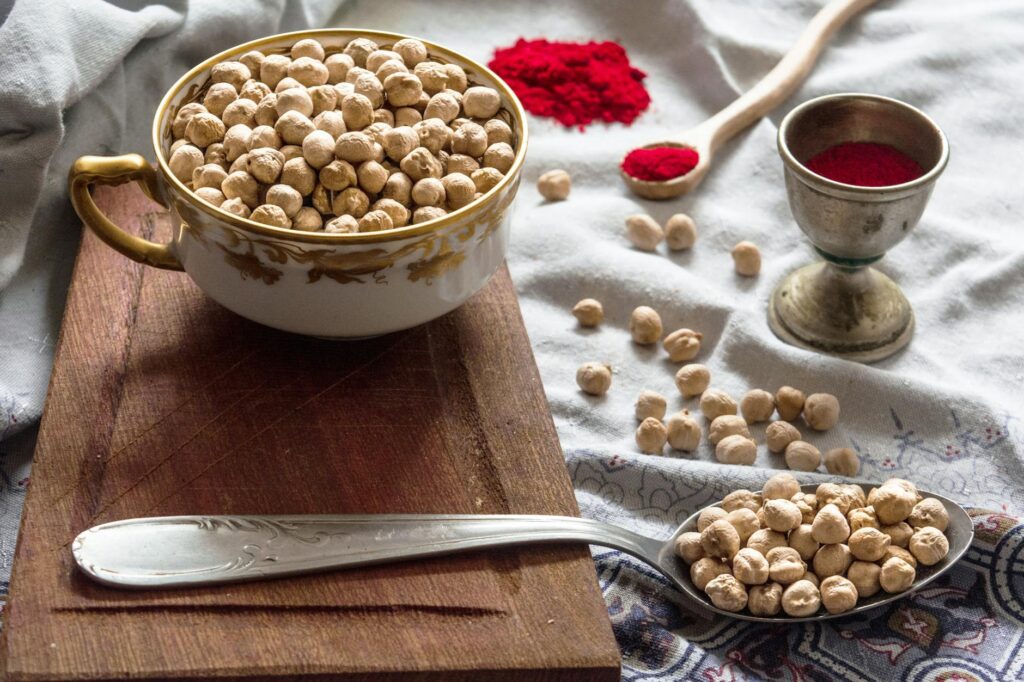
How to Choose High-Quality Chickpea Flour
Introduction
Chickpea flour, also known as besan or gram flour, is a versatile ingredient derived from ground chickpeas. Its nutty flavor and rich nutritional profile make it a staple in various cuisines, particularly in South Asian, Middle Eastern, and Mediterranean dishes. The increasing popularity of gluten-free diets has also contributed to its demand, as chickpea flour serves as an excellent alternative to wheat flour. This article aims to guide you through the process of selecting high-quality chickpea flour, exploring its history, production methods, quality indicators, and practical tips for purchasing.
What Is Buying?
Before diving into the specifics of chickpea flour, it is essential to clarify what “buying” entails in this context. Buying refers to the process of selecting and purchasing food ingredients based on various factors, including quality, price, and intended use. Understanding how to buy high-quality ingredients is key to achieving successful culinary results.
History and Origins
Chickpeas, the primary source of chickpea flour, have a rich history that dates back thousands of years. Archaeological evidence suggests that chickpeas were among the first domesticated legumes, originating in the Middle East approximately 7,500 years ago. The use of chickpeas spread to various regions, including India, where the flour has been extensively used in traditional dishes.
Chickpea flour gained prominence in Indian cooking, particularly in the preparation of snacks, sweets, and various types of flatbreads. Over time, its use has expanded globally, finding a place in vegan and gluten-free diets, thereby solidifying its status as a contemporary pantry staple.
Production and Processing
The production of chickpea flour begins with the careful selection of high-quality chickpeas. Once harvested, the chickpeas undergo cleaning to remove any impurities. They are then roasted or dried, depending on regional practices and desired flavor profiles.
After roasting, the chickpeas are ground into a fine powder. The fineness of the grind can vary, resulting in different textures suitable for various culinary applications. The flour is typically sifted to ensure uniformity and can be packaged immediately or stored for later use.
It is worth noting that the color of chickpea flour can range from pale yellow to a deeper golden hue, influenced by the type of chickpeas used and the processing methods. These factors can also affect the flavor and nutritional content of the flour.
Quality and Grading
When purchasing chickpea flour, quality is paramount. Various grading systems may be employed to assess the quality of chickpea flour, focusing on factors such as color, texture, aroma, and moisture content.
1. Color: High-quality chickpea flour should possess a consistent pale yellow to golden color. Any dark or off-colored spots may indicate poor quality or spoilage.
2. Texture: The flour should be finely ground for optimal use in recipes. Coarse flour may not perform well in delicate dishes, such as batters or sauces.
3. Aroma: Fresh chickpea flour has a mildly nutty smell. A rancid or off-putting odor may indicate spoilage or improper storage.
4. Moisture Content: Excess moisture in the flour can lead to spoilage and mold growth. Quality chickpea flour should have a moisture content of around 10% or lower.
5. Purity: Ensure the flour is made from 100% chickpeas. Check ingredient labels for any additives or preservatives that may compromise quality.
Buying Considerations
When shopping for chickpea flour, several factors should guide your decision:
1. Source: Consider purchasing from reputable suppliers or specialty stores that focus on high-quality ingredients. Organic options are often preferable, as they are less likely to contain pesticides or other harmful substances.
2. Packaging: Look for flour that is packaged in airtight containers to preserve freshness. Avoid buying bulk flour that is exposed to air, as it can deteriorate quickly.
3. Brand Reputation: Research brands that are known for producing high-quality chickpea flour. Customer reviews and expert opinions can provide valuable insights.
4. Type of Chickpeas: Different types of chickpeas may yield flour with varying flavors and textures. For example, yellow chickpeas are commonly used for besan, while other varieties may produce a different taste profile.
5. Price: While cost should not be the sole determining factor, it can be a useful indicator of quality. Extremely low prices may suggest subpar ingredients or production methods.
6. Purpose: Consider the intended use of the flour. Some dishes may require finer flour, while others may benefit from a coarser texture. Choose your flour accordingly.
Uses and Applications
Chickpea flour is incredibly versatile and can be used for a wide range of culinary applications.
1. Baking: It serves as an excellent gluten-free alternative in baked goods, providing moisture and flavor.
2. Thickening Agent: Chickpea flour can be used to thicken soups, stews, and sauces, adding a rich, nutty flavor.
3. Batter: It is frequently used to create batters for frying vegetables or proteins, lending a crunchy texture and golden color.
4. Flatbreads: In various cuisines, chickpea flour is a key ingredient in flatbreads, such as socca in France and pudla in India.
5. Snacks: It is often used in traditional snacks, such as bhaji or pakoras, providing a crispy exterior and a tender interior.
6. Nutritional Supplements: Due to its high protein and fiber content, chickpea flour is increasingly being incorporated into protein bars and health foods.
Storage and Shelf Life
Proper storage is essential for maintaining the quality of chickpea flour. It should be kept in a cool, dry place, away from