
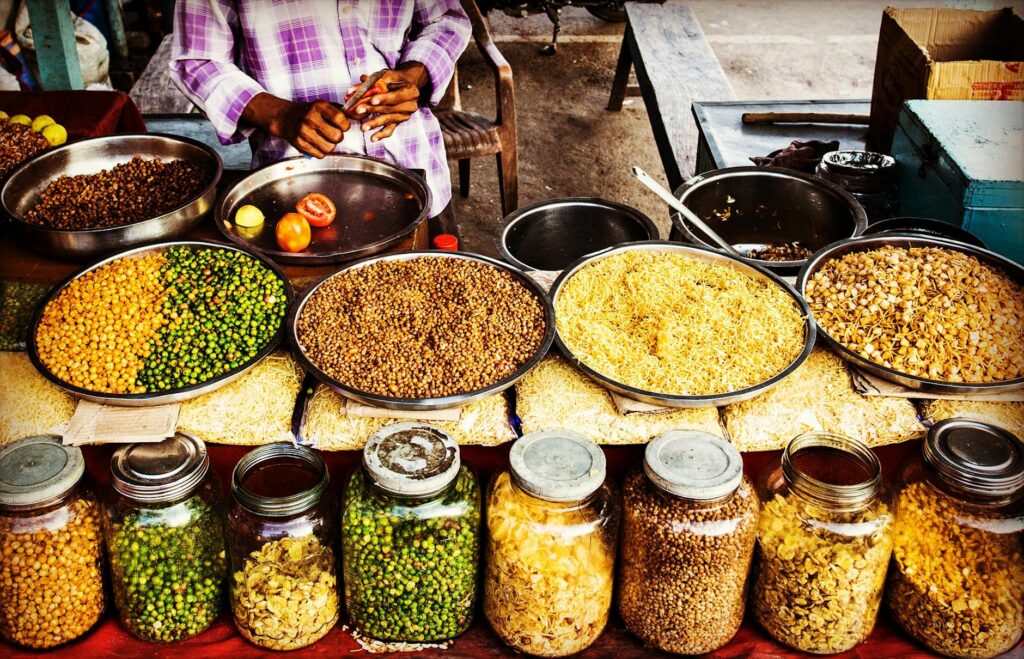
How to Choose High-Quality Chickpeas
Introduction
Chickpeas, also known as garbanzo beans, are a staple in many cuisines around the world, celebrated for their nutritional value and versatility. Whether enjoyed in salads, stews, or pureed into hummus, the quality of chickpeas can significantly impact the final dish. This article aims to provide an in-depth guide on how to choose high-quality chickpeas, examining their history, production, quality indicators, and practical buying considerations.
What Is Buying?
In the context of food ingredients, “buying” refers to the process of selecting and purchasing food items based on various criteria. When it comes to chickpeas, this involves understanding their types, assessing their quality, and making informed decisions to ensure optimal taste, texture, and nutritional benefits. The buying process can also include considerations related to sourcing, pricing, and sustainability, all of which play a crucial role in the overall quality of the chickpeas you choose.
History and Origins
Chickpeas have a rich history that dates back thousands of years. Archaeological evidence suggests that they were first cultivated in the Middle East around 7500 BC. They were a staple food in ancient civilizations such as the Romans and Greeks, who appreciated their nutritional value and versatility. Over time, chickpeas spread throughout the Mediterranean region and into Asia, where they became integral to local diets.
Today, chickpeas are cultivated in many countries, including India, Turkey, and the United States. They are available in various forms, such as dried, canned, and roasted, catering to diverse culinary applications.
Production and Processing
The production and processing of chickpeas involve several stages that are crucial for maintaining quality. The primary growing regions include the Mediterranean, South Asia, and parts of Africa. Chickpeas thrive in warm climates with well-drained soil, and they require minimal water compared to other legumes.
Once harvested, chickpeas undergo processing to ensure they meet quality standards. This includes cleaning, grading, and packaging. High-quality chickpeas are typically sorted to remove any damaged or discolored beans, as well as foreign materials. The processing methods can also influence shelf life and flavor, making it essential to choose chickpeas that have been handled with care.
Quality and Grading
When selecting chickpeas, understanding the quality and grading system is vital. Chickpeas are graded based on size, color, and absence of defects. Here are the primary grading indicators to consider:
1. Size: Larger chickpeas are often preferred for their texture and cooking properties. They tend to hold their shape better during cooking, making them ideal for salads and stews.
2. Color: High-quality chickpeas should have a uniform color, ranging from beige to light brown. Discoloration may indicate overexposure to light or poor storage conditions.
3. Texture: The surface of high-quality chickpeas should be smooth and free of blemishes. Cracked or wrinkled beans may not cook evenly and can affect the overall dish.
4. Moisture Content: Proper moisture levels are essential for shelf life. Chickpeas should be stored in a cool, dry place to prevent spoilage.
5. Organic Certification: For those concerned about pesticide use and sustainability, opting for certified organic chickpeas can be a wise choice.
By paying attention to these grading criteria, buyers can ensure that they select the best chickpeas for their culinary needs.
Buying Considerations
When purchasing chickpeas, several factors should guide your decision-making process:
1. Form: Chickpeas are available in dried, canned, and roasted forms. Dried chickpeas require soaking and longer cooking times but often have superior flavor and texture. Canned chickpeas are convenient and ready to use, while roasted chickpeas can serve as a healthy snack.
2. Source: Consider where the chickpeas are sourced. Local or regionally produced chickpeas may have a smaller carbon footprint and fresher flavor. Additionally, sourcing from reputable suppliers ensures better quality control.
3. Packaging: Opt for chickpeas that are packaged in airtight containers to preserve freshness. Check the expiration dates and look for signs of damage or compromised packaging, which could indicate spoilage.
4. Price: While price can be an indicator of quality, it’s essential to balance cost with other factors. Higher-priced chickpeas may reflect better sourcing and processing methods.
5. Sustainability: Seek out brands that prioritize sustainable farming practices. This not only supports the environment but can also lead to higher-quality produce.
6. Taste Preferences: Different varieties of chickpeas may have subtle taste differences. Experimenting with various types, such as desi or kabuli chickpeas, can enhance your culinary repertoire.
Uses and Applications
Chickpeas are incredibly versatile and can be used in a wide array of dishes. Their nutty flavor and firm texture make them a popular ingredient in:
- Salads: Chickpeas add protein and texture to salads, enhancing their nutritional value.
- Soups and Stews: They absorb flavors well and provide a hearty element to soups and stews.
- Dips: Pureed chickpeas, as in hummus, are a popular dip that pairs well with various accompaniments.
- Snacks: Roasted chickpeas are a nutritious alternative to traditional snacks, offering a satisfying crunch.
- Baking: Flour made from ground chickpeas can be used in gluten-free baking applications.
- Dried Chickpeas: Store in an airtight container in a cool, dry place. When kept properly, they can last for up to two years.
- Canned Chickpeas: After opening, transfer any unused chickpeas to a sealed container and refrigerate. They can typically last for up to 3 to 4 days in the refrigerator.
- Roasted Chickpeas: Store in an airtight container to maintain their crunch. They are best consumed within a week for optimal freshness.
Their adaptability makes them an essential ingredient in many culinary traditions, from Middle Eastern to Mediterranean and even Indian cuisines.
Storage and Shelf Life
Proper storage is crucial for maintaining the quality of chickpeas. Here are some guidelines:
Always check for signs of spoilage, such as off-smells or discoloration, before using chickpeas that have been stored for an extended period.
Common Misconceptions
Despite their popularity, there are some common misconceptions about chickpeas that can influence buying decisions:
1. Canned vs. Dried: Many believe that dried chickpeas are always superior to canned. While dried chickpeas offer better flavor when cooked properly, high-quality canned chickpeas can be a convenient and equally nutritious option.
2. Cooking Time: Some assume that all chickpeas require long cooking times. While dried chickpeas do require soaking, canned chickpeas are ready to use, making them ideal for quick meals.
3. Nutritional Value: There’s a misconception that canned chickpeas have lower nutritional value compared to dried. In reality, both forms offer similar nutritional benefits, though sodium content in canned varieties may vary.
4. Allergies: A common belief is that chickpeas can cause allergies. While chickpeas are legumes and can cause reactions in sensitive individuals, they are generally safe for most people.
5. Flavor: Some assume that all chickpeas taste the same. Different varieties, such as desi and kabuli, have unique flavors and textures that can greatly influence culinary applications.
6. Sustainability: There is a misconception that all chickpeas are sustainably produced. It is essential to research brands and sourcing practices to make informed choices.
Frequently Asked Questions
1. Are chickpeas gluten-free?
Yes, chickpeas are naturally gluten-free, making them a safe option for individuals with gluten intolerance or celiac disease.
2. How do I cook dried chickpeas?
Dried chickpeas should be soaked overnight in water and then boiled until tender, which typically takes about 1 to 2 hours.
3. Can I eat raw chickpeas?
Raw chickpeas should not be eaten, as they contain toxins that are neutralized through cooking.
4. What is the difference between desi and kabuli chickpeas?
Desi chickpeas are smaller, darker, and have a rougher texture, while kabuli chickpeas are larger, lighter in color, and have a smoother surface.
5. How can I incorporate chickpeas into my diet?
Chickpeas can be added to salads, soups, stews, and dips, or roasted for a crunchy snack.
6. Do chickpeas need to be refrigerated?
Dried chickpeas can be stored at room temperature, while opened canned chickpeas should be refrigerated and used within a few days.
By understanding these aspects of chickpeas, you can make informed choices that enhance your culinary experiences. Whether you opt for dried, canned, or roasted varieties, high-quality chickpeas can elevate a range of dishes, making them a staple in any kitchen.