
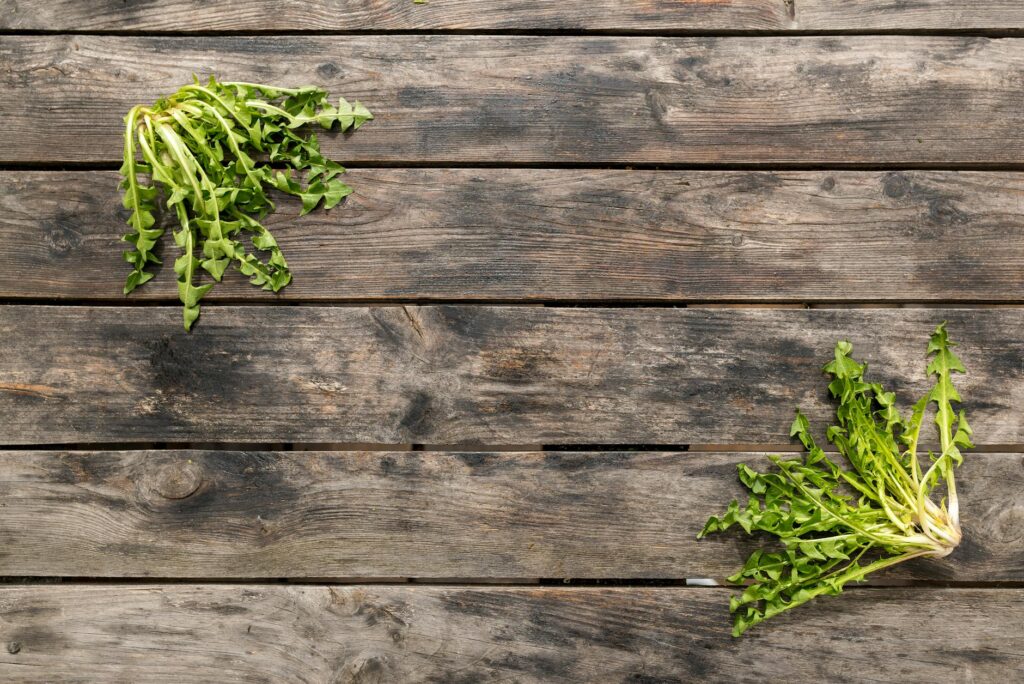
How to Choose High-Quality Dandelion Greens
Introduction
Dandelion greens, the vibrant, slightly bitter leaves of the dandelion plant (Taraxacum officinale), have garnered increasing attention in the culinary world and health-conscious communities alike. Known for their distinctive flavor and rich nutritional profile, these greens are not just weeds; they are a versatile ingredient with a storied history. Choosing high-quality dandelion greens requires an understanding of their characteristics, cultivation methods, and the nuances of their selection. This comprehensive guide will explore the various aspects of buying dandelion greens, ensuring you make informed choices.
What Is Buying?
Buying refers to the process of acquiring goods or services in exchange for money or other forms of value. When it comes to food ingredients like dandelion greens, buying involves various considerations, including quality, freshness, nutritional value, and even ethical sourcing. The key to a successful purchasing experience lies in understanding what to look for, how to evaluate your options, and where to find the best products.
History and Origins
Dandelions are native to Eurasia, but they have been embraced around the world for their numerous culinary and medicinal applications. Historically, these greens have been utilized in traditional medicine, often for their digestive and detoxifying properties. They are believed to have been consumed as early as the Middle Ages, both in Europe and Asia, where they were often foraged and incorporated into various diets.
The dandelion plant’s resilience and adaptability have allowed it to thrive in diverse environments, making it a common sight across North America, Europe, and Asia. As interest in local and foraged foods continues to grow, dandelion greens have found their way into modern kitchens, celebrated for their unique flavor and nutritional benefits.
Production and Processing
Dandelion greens can be cultivated or foraged. In commercial production, they are typically grown in well-drained soil and require plenty of sunlight. The growing season for dandelion greens varies depending on the climate but generally spans from early spring to late fall.
When it comes to processing, it’s essential to note that dandelion greens should be harvested at the right time for optimal quality. Young, tender leaves are ideal for consumption, as older leaves tend to become tough and more bitter. After harvesting, the greens may undergo minimal processing, such as washing and packaging, to ensure they remain as fresh as possible for consumers.
Quality and Grading
The quality of dandelion greens is influenced by several factors, including age, appearance, and flavor. Here are some key indicators to consider when assessing quality:
- Color: High-quality dandelion greens should exhibit a vibrant green hue. Yellowing or browning leaves indicate age and potential deterioration.
- Texture: Fresh greens should be crisp and firm. Limp or wilted leaves suggest that the greens are past their prime.
- Size: Young, tender leaves are generally smaller and more desirable for culinary use. Larger leaves, while still edible, can be more bitter and fibrous.
- Bitterness: While dandelion greens are naturally bitter, the intensity can vary. Taste-testing a small piece can help determine whether the flavor aligns with your preferences.
- Refrigeration: Store dandelion greens in the vegetable crisper drawer of your refrigerator. They should be kept in a breathable bag or a container that allows for air circulation.
- Moisture Control: Excess moisture can lead to spoilage. To prevent this, consider wrapping the greens in a damp paper towel before placing them in a plastic bag. This helps maintain humidity without causing rot.
- Consumption Timeline: For the best flavor and texture, consume dandelion greens within 3 to 5 days of purchase. As they age, they will become tougher and more bitter.
- Freezing: While fresh dandelion greens are ideal, you can blanch and freeze them
Some marketplaces may provide grading systems for dandelion greens based on these criteria, allowing consumers to make more informed purchasing decisions.
Buying Considerations
When it comes to buying dandelion greens, several considerations can enhance your experience:
1. Source: Know where your greens are coming from. Local farmers’ markets or organic farms often provide fresher, higher-quality products than mass-produced options.
2. Seasonality: Dandelion greens are typically in peak season during spring. Opt for seasonal purchases to ensure the greens are at their freshest and most flavorful.
3. Organic vs. Conventional: If you’re concerned about pesticide use, consider buying organic dandelion greens. These are grown without synthetic fertilizers and pesticides, making them a safer choice for consumption.
4. Storage Conditions: Pay attention to how the greens are stored prior to purchase. They should be kept in a cool environment to maintain freshness.
5. Visual Inspection: Before buying, examine the greens closely. Look for any signs of pests, discoloration, or wilting, which can indicate poor quality.
6. Quantity: Consider how much you intend to use. Dandelion greens are best enjoyed fresh, so purchasing more than you can consume in a short period may lead to waste.
Uses and Applications
Dandelion greens are versatile and can be used in various culinary applications. Their unique flavor profile makes them suitable for salads, stir-fries, and even soups. They can be sautéed with garlic and olive oil, blended into smoothies for added nutrition, or used as a base for roasted vegetables.
In addition to their culinary uses, dandelion greens can be incorporated into herbal teas and tinctures, leveraging their traditional medicinal properties. However, this guide will focus primarily on their culinary applications.
Storage and Shelf Life
To maximize the shelf life of dandelion greens, proper storage is crucial. Here are some tips for keeping your greens fresh: