
How to Choose High-Quality Dulse
Introduction
Dulse, a red seaweed belonging to the palmaria genus, is celebrated for its unique flavor profile and nutritional benefits. Traditionally harvested along the coasts of the North Atlantic, particularly in regions like Ireland, Canada, and Iceland, dulse has garnered attention not just as a food ingredient but also as an ecological marvel. As consumers become increasingly aware of the environmental impact of their food choices, dulse represents a sustainable option rich in vitamins and minerals. However, not all dulse is created equal. This guide aims to provide you with the essential knowledge to select high-quality dulse, from understanding its history and processing to evaluating its quality and storage.
What Is Buying?
In the context of food ingredients, “buying” refers to the process of selecting and purchasing products that meet specific quality standards and personal preferences. For dulse, this means understanding its characteristics, the conditions under which it is harvested, and how these factors influence both flavor and nutritional content. When purchasing dulse, consumers should consider various aspects, such as sourcing, packaging, and the overall quality of the product.
History and Origins
Dulse has a rich history that spans centuries, particularly in coastal communities where seaweed harvesting has been a tradition. The earliest records of dulse consumption date back to ancient Celtic societies, where it was not only eaten but also used in rituals and as a source of trade. In Ireland, dulse was often consumed as a snack or used to flavor dishes, while in parts of Canada, particularly among Indigenous communities, it was integrated into various culinary practices.
In addition to its culinary significance, dulse has been recognized for its ecological importance. It serves as a habitat for marine life and plays a crucial role in the ocean’s ecosystem. Over the years, the global demand for seaweed, including dulse, has surged, leading to both sustainable harvesting practices and concerns about overexploitation.
Production and Processing
The production of dulse involves several key steps, from harvesting to processing. Dulse is typically harvested by hand or using specialized tools to minimize damage to the surrounding ecosystem. Sustainable harvesting practices often include gathering only a portion of the dulse population to allow for regrowth.
Once harvested, dulse is washed to remove impurities and then dried. The drying process is critical, as it affects the seaweed’s flavor, texture, and nutritional value. High-quality dulse is usually air-dried or sun-dried, retaining its vibrant color and natural flavors. Some producers may employ mechanical drying methods, which can affect the final product’s quality.
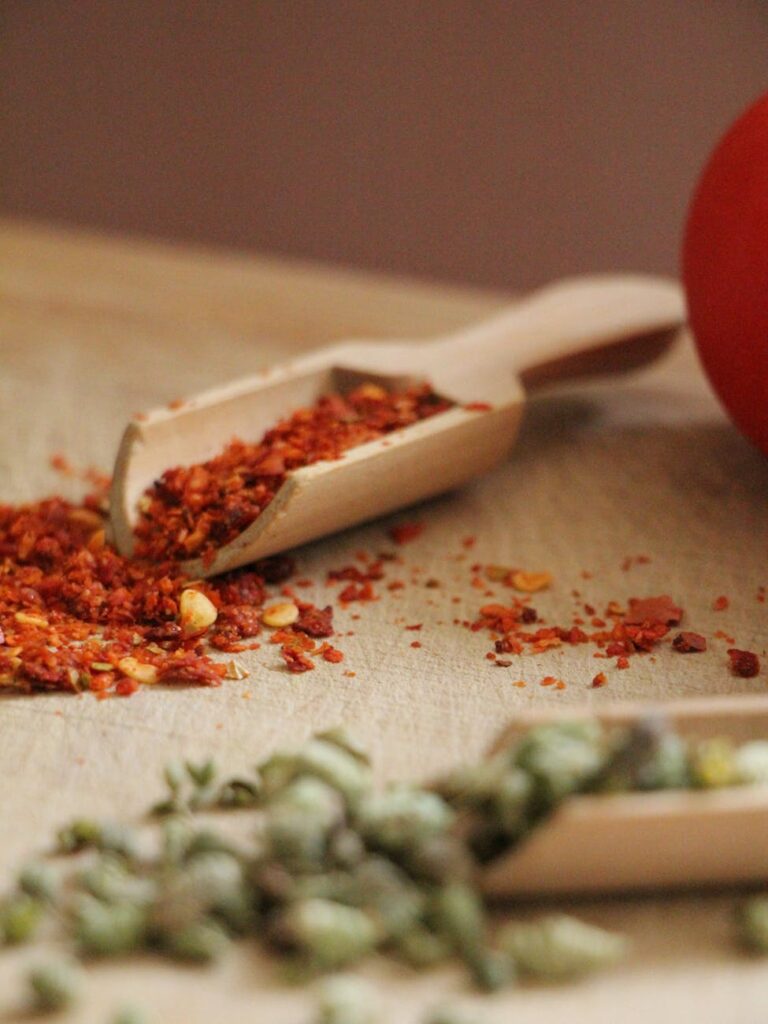
After drying, dulse is often packaged in various forms, including whole leaves, flakes, or powders. Each form has its own applications in cooking and food preparation, making it essential to choose a product that aligns with your intended use.
Quality and Grading
When it comes to dulse, quality can vary significantly based on several factors, including harvesting methods, processing techniques, and storage conditions. The grading of dulse typically considers aspects such as color, texture, and aroma. High-quality dulse should exhibit a deep reddish-purple hue, a crisp texture, and a fresh, briny aroma.
Some producers may adhere to specific grading systems, categorizing their products into different quality levels. Look for certifications or labels that indicate adherence to sustainable harvesting practices or organic farming methods, as these can be indicators of quality.
Buying Considerations
When purchasing dulse, several considerations can help ensure you select a high-quality product:
1. Source: Investigate where the dulse is harvested. Regions known for their clean waters and sustainable practices, such as Ireland or Canada, are generally more reliable sources.
2. Form: Decide whether you want whole leaves, flakes, or powder. Whole leaves are often used in salads or as wraps, while flakes and powders are better for seasoning dishes.
3. Packaging: Choose products that are vacuum-sealed or packaged in opaque containers to protect them from light and moisture, which can degrade quality over time.
4. Check for Additives: High-quality dulse should be free from artificial preservatives, colors, or flavors. Always read the ingredient list to ensure purity.
5. Price: While price is not always an indicator of quality, extremely low-priced dulse may be a sign of inferior quality or unsustainable practices.
6. Brand Reputation: Researching brands and reading reviews can provide insights into the consistency and reliability of the product.
Uses and Applications
Dulse is a versatile ingredient that can be used in various culinary applications. Its unique umami flavor enhances a range of dishes, making it an excellent addition to soups, salads, and even snacks.
1. Seasoning: Dulse flakes or powder can serve as a seasoning for various dishes, providing a savory depth to everything from roasted vegetables to pasta.
2. Garnishing: Whole dulse leaves can be used as a garnish for seafood dishes, adding both flavor and visual appeal.
3. Salads: Fresh or rehydrated dulse can be tossed into salads, offering a nutritious boost and a unique taste.
4. Snacks: Dried dulse can be consumed as a healthy snack on its own or used to create savory chips.
5. Smoothies: Dulse powder can be added to smoothies for a nutrient-rich boost without significantly altering the flavor.
Storage and Shelf Life
Proper storage is crucial for maintaining the quality of dulse. If purchased in bulk, it should be transferred to an airtight container and stored in a cool, dark place. Exposure to moisture and light can lead to degradation in flavor and texture.
Typically, dried dulse has a shelf life of 1-2 years when stored correctly. Always check the expiration date on the packaging and be mindful of any changes in aroma