
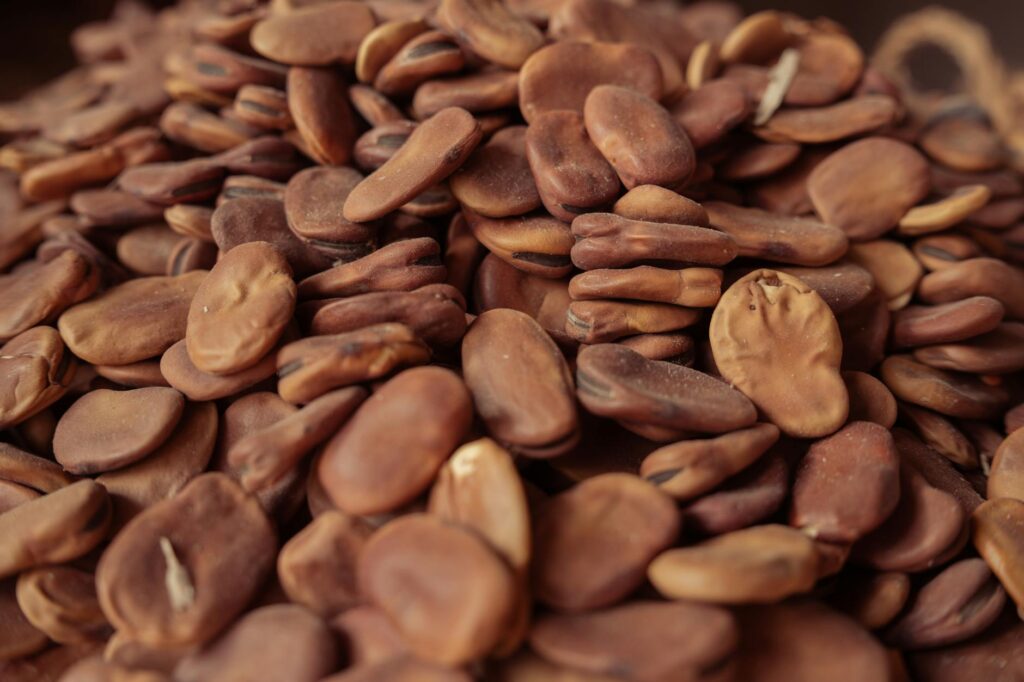
How to Choose High-Quality Fava Beans
Introduction
Fava beans, also known as broad beans, are a versatile and nutritious ingredient widely used across various cuisines. Their rich, creamy texture and unique flavor make them an excellent choice for both traditional and contemporary dishes. However, selecting high-quality fava beans requires an understanding of their characteristics, production methods, and storage requirements. This article will guide you through the process of buying fava beans, ensuring that you make informed choices for your culinary endeavors.
What Is Buying?
Buying, in the context of food ingredients, refers to the process of selecting and purchasing food items that meet specific quality, freshness, and sustainability standards. When it comes to fava beans, this involves understanding their characteristics, assessing quality, and making choices that align with your culinary requirements and ethical considerations.
History and Origins
Fava beans have a rich history that dates back thousands of years. Believed to be one of the oldest cultivated crops, these legumes have their roots in the Mediterranean region, particularly in ancient Egypt and Greece. Archaeological evidence suggests that fava beans were consumed as early as 6000 BCE.
Their popularity spread across Europe, North Africa, and the Middle East, where they became staple foods in various diets. Fava beans were revered not just for their nutritional value, but also for their agricultural benefits; they are nitrogen-fixing plants that improve soil fertility. Today, they are cultivated globally, with significant production in countries such as Egypt, Italy, and China.
Production and Processing
Fava beans are typically grown in temperate climates, thriving in well-drained, fertile soils. The production process begins with sowing seeds in the spring, followed by a growing period that lasts about 90 to 120 days. Once harvested, the beans can be processed in various ways—dried, frozen, or canned.
- Dried Fava Beans: These are the most common form available in stores and require soaking before cooking. They should be free from debris and have a uniform color.
- Frozen Fava Beans: These are often pre-cooked and can be a convenient option for quick use. Ensure that the package is sealed and has no signs of freezer burn.
- Canned Fava Beans: While they provide convenience, it is crucial to check for added preservatives and sodium, which may affect flavor and health considerations.
- Salads: Fresh or cooked fava beans add a delightful crunch and earthiness to salads.
- Dips: Mashed or pureed, they can be transformed into creamy dips, often seasoned with garlic, lemon, and herbs.
- Soups and Stews: Fava beans enhance the texture and nutritional profile of soups and stews, providing a hearty component.
- Pasta Dishes: They are often incorporated into pasta sauces, adding both flavor and protein.
- Casseroles and Roasts: Incorporating fava beans into baked dishes can provide a satisfying meat substitute.
- Dried Fava Beans: Store them in a cool, dry
Understanding the production and processing methods can help you choose fava beans that are not only fresh but also ethically sourced.
Quality and Grading
The quality of fava beans can significantly affect their flavor, texture, and nutritional value. When evaluating fava beans, consider the following grading criteria:
1. Appearance: High-quality fava beans should be plump, uniform in size, and devoid of blemishes or discoloration. Look for vibrant green or cream-colored beans, depending on the variety.
2. Texture: The beans should feel firm to the touch. Avoid any that are shriveled or have a chalky surface, as this indicates age or improper storage.
3. Flavor Profile: Fresh fava beans should have a sweet, earthy flavor. Beans that have an off or stale smell may indicate poor quality.
4. Packaging: For dried beans, choose those in clear, airtight packaging. For canned or frozen options, inspect the packaging for integrity and check expiration dates.
5. Origin: Beans sourced from reputable farms or known regions can often provide assurance of quality. Look for certifications or labels that indicate organic or sustainable farming practices.
Buying Considerations
When purchasing fava beans, several factors should be taken into account to ensure you choose high-quality products:
1. Freshness: Opt for beans that have been harvested recently, particularly if purchasing fresh or frozen varieties. Check for local farmers’ markets or specialty stores that offer seasonal products.
2. Variety: Familiarize yourself with different varieties of fava beans. Some may be sweeter and creamier, while others have a more robust flavor. Knowing your preferred taste can guide your selection.
3. Sourcing: Investigate where the beans are coming from. Supporting local farmers or brands that prioritize sustainable practices can enhance the quality of your purchase.
4. Seasonality: Fresh fava beans are generally in season from late spring to early summer. Buying out of season may result in lower quality or higher prices.
5. Price: While high-quality fava beans may be more expensive, consider the value they bring in terms of flavor and nutrition. Avoid the cheapest options, as they may compromise on quality.
6. Specialty Stores: If possible, shop at specialty grocery stores or ethnic markets that focus on fresh ingredients. These places often carry a wider variety of fava beans and can provide knowledgeable staff to assist you.
Uses and Applications
Fava beans are incredibly versatile and can be used in a variety of culinary applications:
Understanding the uses of fava beans can help you explore their potential in your cooking, making your buying decisions more purposeful.
Storage and Shelf Life
Proper storage is crucial to maintaining the quality and freshness of fava beans: