
How to Choose High-Quality Fennel Sausage
Introduction
Fennel sausage is a beloved delicacy that combines the savory richness of sausage with the distinctive anise-like flavor of fennel seeds. It has been a staple in various cuisines, particularly in Italian and Mediterranean cooking, where it enhances dishes with its aromatic profile. As consumers become increasingly discerning about their food choices, understanding how to choose high-quality fennel sausage is essential. This article will explore the nuances of buying fennel sausage, its historical context, production methods, quality indicators, and practical considerations for storage and use.
What Is Buying?
In the context of food ingredients, “buying” encompasses the decision-making process involved in selecting products that meet specific quality, flavor, and ethical standards. When it comes to fennel sausage, this includes evaluating its ingredients, sourcing, production methods, and how these factors influence the final product’s taste and safety. The act of buying is not merely transactional; it is an opportunity for consumers to connect with food producers and understand the story behind each ingredient.
History and Origins
Fennel sausage has deep roots in European culinary traditions, particularly in Italy, where it is often found in regional dishes. Fennel itself has been cultivated for thousands of years, with origins tracing back to the Mediterranean region. Ancient Greeks and Romans valued fennel not only for its culinary uses but also for its medicinal properties.
The art of sausage-making is equally ancient, dating back to the Neolithic period when meat preservation methods were developed. Fennel was incorporated into sausage recipes, particularly in southern Italy, to mask the strong flavors of preserved meat. Over time, fennel sausage gained popularity for its aromatic qualities, becoming a key ingredient in dishes like pasta sauces, pizzas, and various charcuterie boards.
Production and Processing
The production of fennel sausage involves several critical steps, each contributing to the overall quality of the final product. This process typically includes:
1. Selection of Meat: High-quality fennel sausage begins with the selection of meat, often pork, though beef and poultry can also be used. The meat should be fresh, lean, and sourced from reputable farms that adhere to ethical farming practices.
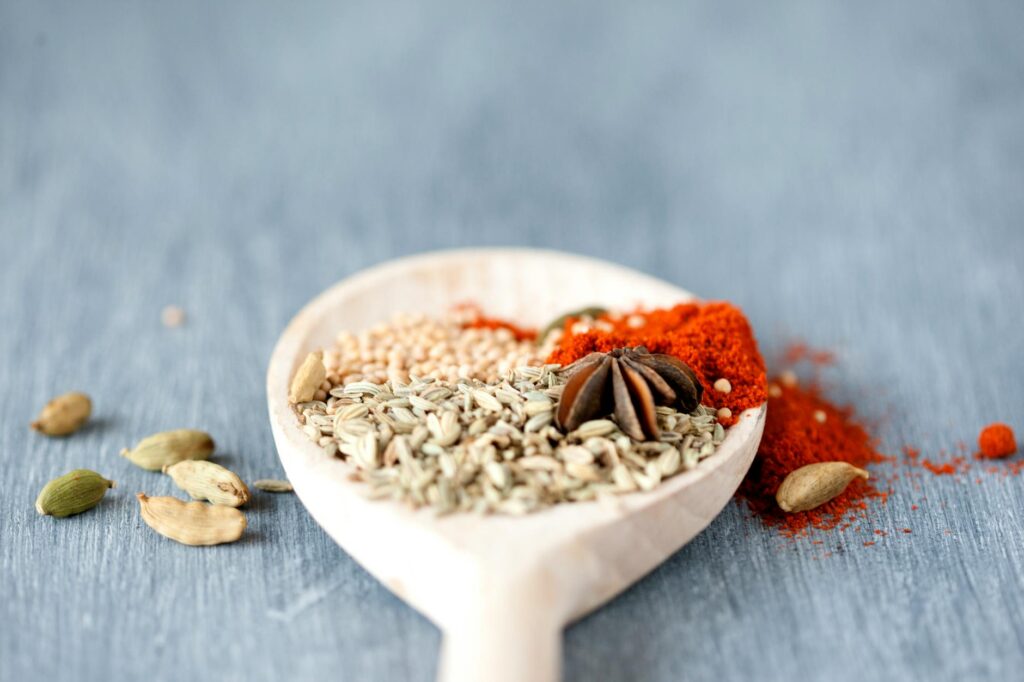
2. Seasoning: Fennel seeds are the defining characteristic of this sausage. They are usually toasted to enhance their flavor before being ground and mixed with the meat. Additional spices, herbs, and sometimes garlic or wine may also be included to create a well-balanced profile.
3. Mixing and Stuffing: The meat mixture is thoroughly combined to ensure an even distribution of flavor. It is then stuffed into casings, which can be natural (animal intestines) or synthetic. The choice of casing can affect the sausage’s texture and flavor.
4. Curing and Smoking: Depending on the type of fennel sausage, it may be cured or smoked to develop deeper flavors. Traditional Italian fennel sausages are often air-dried, allowing the flavors to mature over time.
5. Packaging: The final product is carefully packaged to maintain freshness and prevent contamination. Vacuum-sealing is a common method used to extend shelf life.
Understanding these production methods can help consumers make informed choices when selecting fennel sausage.
Quality and Grading
The quality of fennel sausage is determined by several factors, including the quality of the meat, the freshness of the spices, and adherence to food safety standards. Here are key indicators of high-quality fennel sausage:
- Ingredients List: Look for sausages that contain a short list of recognizable ingredients. High-quality fennel sausage typically includes pork, fennel seeds, salt, and natural spices without fillers or artificial preservatives.
- Meat Source: Sausages made from pasture-raised or organic meat are often higher in quality. These animals are usually healthier and provide better-tasting meat.
- Appearance: A good fennel sausage should have a vibrant color and a natural casing that is free from blemishes. The texture should be firm but not overly tough.
- Aroma: Fresh fennel sausage should have a fragrant scent that highlights the fennel without being overpowering. Avoid sausages with an off-putting or rancid smell.
- Taste: While tasting is subjective, high-quality fennel sausage should deliver a balanced flavor profile, with the sweetness of fennel complementing the savory meat.
- Pasta Dishes: Crumbled fennel sausage can add depth to sauces, enhancing both flavor and texture.
- Pizza Toppings: Its distinct flavor pairs well with marinara sauce and cheese, making it a popular choice for gourmet pizzas.
- Breakfast Dishes: Fennel sausage can be served alongside eggs or incorporated into breakfast burritos for added flavor.
- Charcuterie Boards: Sliced fennel sausage makes an excellent addition to charcuterie boards, complementing cheeses, olives, and breads.
- Soups and Stews: Its robust flavor can enhance the richness of soups and stews, providing a hearty element to these dishes.
- Refrigeration: Fresh fennel sausage should be stored in the refrigerator and consumed within 3-5 days of purchase. Keep it in its original packaging until ready to use.
- Freezing: If you do not plan to use fennel sausage within the recommended timeframe, freezing is an excellent option. Wrap it tightly in plastic wrap or aluminum foil and place it in an airtight container. Frozen fennel sausage can last for up to six months.
- Thawing: When thawing frozen fennel sausage, do so in the refrigerator rather than at room temperature to prevent bacterial growth.
- Cooked Fennel Sausage: Once cooked, fennel sausage should be stored in the refrigerator and consumed within 3-4 days. It can also be frozen for longer storage, ensuring it is securely wrapped to prevent freezer burn.
- All Fennel Sausages Are the Same: Fennel sausage varies significantly by region, producer, and recipe. Each variety brings its unique flavor profile and characteristics.
- Fennel Sausage Is Only for Italian Dishes: While it is a staple in Italian cuisine, fennel sausage can be used in various global dishes, adding depth to numerous recipes.
- Fennel Seeds Are the Only Flavor: While fennel seeds are the primary flavoring, many high-quality sausages also include a blend of other spices and herbs that contribute to their overall taste.
- Sausage Is Always Unhealthy: While some sausages may be high in fat and sodium, there are healthier options available, particularly those made from lean meats and natural ingredients.
Buying Considerations
When purchasing fennel sausage, several considerations can guide your choices:
1. Local vs. Imported: Consider whether you prefer locally made sausages, which may be fresher, or imported varieties that follow traditional recipes. Local producers often have a more transparent supply chain.
2. Freshness: Always check the expiration date and buy from reputable vendors. Freshness is key to the quality and safety of any meat product.
3. Packaging: Pay attention to how the sausage is packaged. Vacuum-sealed packages tend to maintain freshness longer than those wrapped in plastic.
4. Certification: Look for certifications such as organic or free-range, which can indicate higher quality standards in meat production.
5. Taste Preferences: Some fennel sausages are sweeter or spicier than others. If possible, sample different varieties to find the one that suits your palate.
6. Sustainability: Consider the environmental impact of your food choices. Some producers emphasize sustainable practices, making their products more appealing to eco-conscious consumers.
Uses and Applications
Fennel sausage is versatile and can be used in various culinary applications. It is commonly featured in:
Understanding these applications can inspire consumers to buy fennel sausage that suits their cooking needs.
Storage and Shelf Life
Proper storage is crucial for maintaining the quality and safety of fennel sausage. Here are some essential guidelines:
Following these storage practices will help maintain the quality and safety of fennel sausage.
Common Misconceptions
Several misconceptions surround fennel sausage that can lead to confusion for consumers:
Understanding these misconceptions can help consumers make better-informed choices regarding fennel sausage.
Frequently Asked Questions
1. What is fennel sausage made of?
Fennel sausage is primarily made from ground meat (often pork), fennel seeds, salt, and a blend of spices. Some recipes may also include garlic, wine, or herbs.
2. Is fennel sausage spicy?
The spiciness of fennel sausage can vary by brand and recipe. Generally, it has a mild to moderate flavor profile, with the primary taste being the aromatic sweetness of fennel.
3. Can I find fennel sausage in grocery stores?
Yes, fennel sausage is commonly available in many grocery stores, particularly those with a well-stocked meat department or gourmet section. Local butcher shops may also offer fresh varieties.
4. Is fennel sausage gluten-free?
Most traditional fennel sausages are gluten-free, but it’s essential to check the label to ensure no gluten-containing ingredients or fillers have been added.
5. How can I tell if fennel sausage has gone bad?
Signs that fennel sausage has spoiled include an off or rancid smell, discoloration, or a slimy texture. If in doubt, it’s best to discard it.
6. How should I cook fennel sausage?
Fennel sausage can be grilled, pan-fried, or baked. It is often crumbled and cooked to enhance its flavor in dishes like pasta or soups.
By understanding these facets of fennel sausage, consumers can confidently choose high-quality products that elevate their culinary experiences. Whether used in traditional recipes or innovative dishes, fennel sausage adds a unique flavor that reflects its rich history and artisanal production methods.