
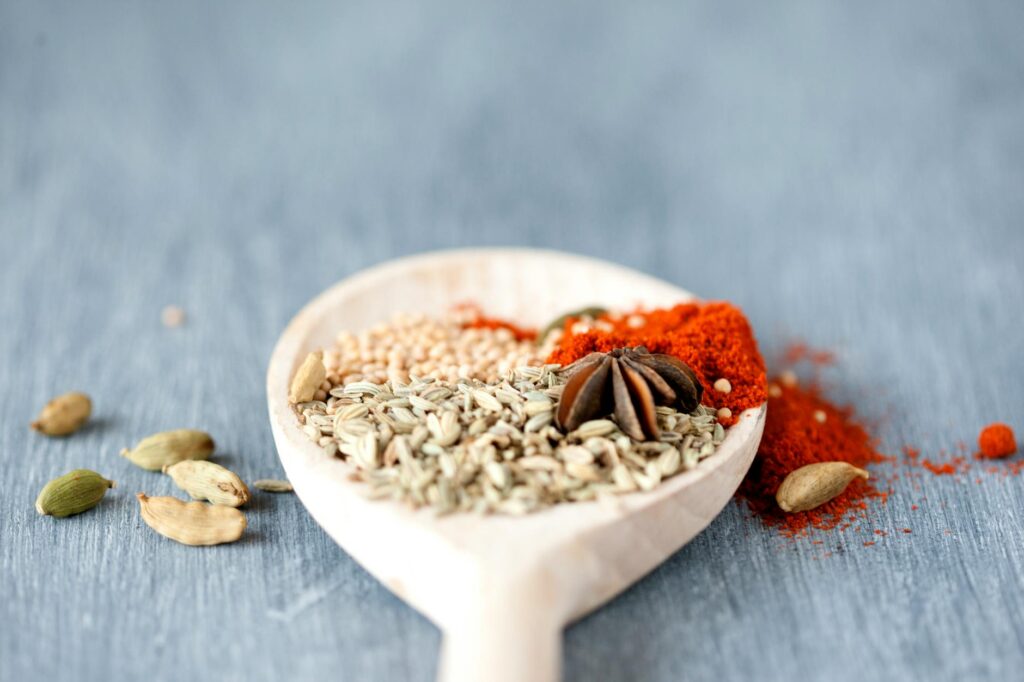
How to Choose High-Quality Fennel Seeds
Introduction
Fennel seeds, the aromatic seeds of the Foeniculum vulgare plant, have been a staple in various cuisines and traditional practices around the globe. Their unique flavor profile—anise-like with a hint of sweetness—makes them versatile in both culinary and medicinal applications. However, the market is flooded with different grades and qualities of fennel seeds, making it essential for consumers to understand how to select the best for their needs. This article aims to provide an in-depth guide on choosing high-quality fennel seeds, encompassing their history, production, quality factors, and storage considerations.
What Is Buying?
Buying refers to the process of acquiring goods or services in exchange for payment. In the context of food ingredients like fennel seeds, buying involves selecting products that meet specific culinary or functional needs while ensuring quality, freshness, and ethical sourcing. This becomes particularly crucial for herbs and spices, where the quality can significantly affect flavor, aroma, and overall culinary results. Understanding how to effectively buy fennel seeds can enhance both cooking experiences and health benefits associated with their use.
History and Origins
Fennel has a rich historical backdrop, rooted in ancient civilizations. Originating in the Mediterranean region, fennel has been cultivated for over 2,000 years. Ancient Egyptians revered fennel for its medicinal properties, while Romans used it to enhance their culinary endeavors. The plant was also associated with strength and courage, often consumed before battle.
Fennel seeds made their way across continents, finding places in Indian, Middle Eastern, and Asian cuisines, where they are often used as both a spice and a digestive aid. Today, fennel seeds are grown in various temperate regions worldwide, including India, China, and the Mediterranean, reflecting their global appeal and adaptability.
Production and Processing
The production of fennel seeds begins with the cultivation of the fennel plant, which thrives in well-drained soil and requires a temperate climate. The seeds are harvested when they turn brown and mature, typically during late summer or early fall. Once harvested, the seeds undergo several processing stages:
1. Drying: After collection, the seeds are dried to reduce moisture content, which helps preserve their flavor and prevent spoilage.
2. Cleaning: The dried seeds are cleaned to remove any foreign matter, such as dirt or plant debris.
3. Grading: Seeds are often graded based on size, color, and aroma, which can influence their market value.
4. Packaging: Finally, the cleaned and graded seeds are packaged for distribution, ensuring they remain fresh during transport and storage.
Understanding this production process can aid consumers in identifying quality products when purchasing fennel seeds.
Quality and Grading
Quality is paramount when selecting fennel seeds. Various factors influence the quality and grading of fennel seeds:
- Aroma: High-quality fennel seeds should have a strong, sweet, and aromatic scent. A weak or stale aroma may indicate age or poor quality.
- Color: Fresh fennel seeds are typically a light greenish-brown. Darker seeds or those with a dull appearance may be older or improperly stored.
- Size: Uniformity in size can indicate better quality. Larger seeds may have more flavor and essential oils.
- Moisture Content: High moisture content can lead to mold or rancidity. Quality seeds should have a low moisture level, ensuring longevity.
- Origin: The geographical source can also affect quality. Certain regions are known for producing superior fennel seeds, thanks to favorable climate conditions and traditional farming practices.
- Culinary Uses: They are commonly used in spice blends, sauces, pickles, and baked goods. Their sweet flavor complements both savory and sweet dishes. In Indian cuisine, fennel seeds are often roasted and ground into spice mixtures, while in Mediterranean cooking, they are used to flavor sausages and fish dishes.
- Digestive Aid: Traditionally, fennel seeds have been used to alleviate digestive discomfort and promote digestive health. They are often consumed as a digestive tea or chewed after meals to freshen breath.
- Infusions and Extracts: Fennel seeds can be infused in oils or alcohol to create flavor extracts, which are used in a variety of culinary applications.
- Cool, Dry Place: Store fennel seeds in a cool, dry area away from direct sunlight to prevent degradation. A pantry or a dark cupboard is ideal.
- Airtight Containers: Use airtight containers to minimize exposure to air and moisture. Glass jars, vacuum-sealed bags, or high-quality plastic containers work well.
- Avoid Freezing: While some spices benefit from freezing, it is generally not recommended for fennel seeds, as freezing can alter their flavor and texture.
- All Fennel Seeds Are the Same: Not all fennel seeds are of equal quality. Factors like origin, processing, and storage can greatly influence their flavor and potency.
- Ground Seeds Are Better: Many believe that ground fennel seeds are more potent. However, whole seeds retain their flavor longer and can be freshly ground as needed for optimal taste.
- Fennel Seeds Are Only Used in Indian Cuisine: While they play a significant role in Indian cooking, fennel seeds are used in a myriad of global cuisines, including Mediterranean, Middle Eastern, and even some Asian dishes.
When assessing fennel seeds, consider these attributes to ensure you are purchasing a high-quality product.
Buying Considerations
When purchasing fennel seeds, consider the following key factors:
1. Source: Buy from reputable suppliers or specialty stores known for high-quality herbs and spices. Organic certifications can also be a good indicator of quality.
2. Form: Decide whether you prefer whole seeds or ground fennel. Whole seeds tend to retain flavor longer, while ground seeds can lose potency quickly.
3. Packaging: Opt for vacuum-sealed or dark glass containers that protect seeds from light and air, both of which can degrade quality over time.
4. Expiry Date: Check for freshness by reviewing the packaging for a production or expiry date. Fresher seeds will have better flavor and potency.
5. Price: While high-quality fennel seeds may be more expensive, they often provide better flavor and health benefits. Be wary of significantly cheaper options, as they may indicate inferior quality.
6. Reviews and Recommendations: Research product reviews or seek recommendations from culinary professionals to gauge the quality of the fennel seeds you are considering.
By being mindful of these considerations, consumers can enhance their culinary experiences and ensure they are getting the most out of their fennel seed purchases.
Uses and Applications
Fennel seeds are incredibly versatile and can be used in a variety of culinary contexts:
Understanding these uses can help consumers appreciate the multifaceted nature of fennel seeds and how they can enhance various dishes and experiences.
Storage and Shelf Life
Proper storage is crucial for maintaining the quality of fennel seeds. Here are some best practices:
The shelf life of fennel seeds can vary based on storage conditions. Typically, whole fennel seeds can last up to two years if stored properly, while ground fennel may only last six months due to its higher surface area exposed to air.
Common Misconceptions
Several misconceptions surround fennel seeds that can mislead consumers:
Understanding these misconceptions can help consumers make informed choices when purchasing and using fennel seeds.
Frequently Asked Questions
1. How do I know if fennel seeds are fresh?
Fresh fennel seeds should have a strong, sweet aroma and a vibrant color. If they lack scent or appear dull, they may be stale.
2. Can I use fennel seeds that are past their expiration date?
While they may not be harmful, fennel seeds past their expiration date may have diminished flavor and potency, affecting culinary results.
3. How do I store fennel seeds for maximum freshness?
Store fennel seeds in an airtight container in a cool, dry place, away from sunlight. Avoid moisture to prevent spoilage.
4. What are the differences between whole and ground fennel seeds?
Whole fennel seeds retain their flavor longer and can be ground as needed, while ground seeds lose potency more quickly due to increased exposure to air.
5. Are there any substitutes for fennel seeds?
While there are no direct substitutes, you can use anise seeds or caraway seeds in a pinch, although the flavor profiles will differ.
6. Can I grow fennel seeds at home?
Yes, fennel can be grown at home in a sunny spot with well-drained soil. The seeds can be harvested once they mature and turn brown.
Conclusion
Choosing high-quality fennel seeds is pivotal for enhancing culinary experiences and reaping their benefits. By understanding the history, production processes, quality indicators, and storage techniques, consumers can make informed decisions that elevate their dishes. With a little knowledge and attention to detail, selecting fennel seeds becomes a rewarding and enriching endeavor. Whether you’re a seasoned chef or a home cook, knowing how to buy the best fennel seeds can make all the difference in your kitchen.