
How to Choose High-Quality Fennel
Introduction
Fennel is a unique and versatile ingredient that has captivated chefs and home cooks alike for centuries. With its distinct anise-like flavor and aromatic qualities, fennel enhances a variety of dishes and offers a range of culinary possibilities. However, to fully appreciate its taste and texture, it is essential to know how to choose high-quality fennel. This article will delve into the complexities of buying fennel, detailing its history, production, grading, and practical considerations for selecting the best specimens.
What Is Buying?
Buying, in the context of food ingredients, refers to the process of selecting and procuring ingredients based on specific criteria such as quality, freshness, and suitability for intended culinary uses. When it comes to fennel, understanding the nuances of this process can significantly impact the flavor profiles and overall quality of your dishes. It involves assessing various attributes of the fennel bulb, fronds, and seeds, ensuring that what you bring home not only meets your culinary needs but also aligns with your health and sustainability values.
History and Origins
Fennel (Foeniculum vulgare) has a rich history that dates back to ancient civilizations. Native to the Mediterranean region, this herbaceous plant was revered by the Romans and Greeks for both its culinary and medicinal properties. In ancient Rome, fennel was used during feasts, symbolizing strength and courage. It was also believed to ward off evil spirits.
Over centuries, fennel spread across Europe and Asia, becoming a staple in various cuisines, from Italian to Indian. Today, fennel is cultivated in many regions worldwide, with significant production in Italy, India, and the United States. Its adaptability and unique flavor have made it a beloved ingredient in both traditional and modern gastronomy.
Production and Processing
Fennel is typically grown in temperate climates, thriving in well-drained soils with plenty of sunlight. The plant has a long growing season, often taking up to 120 days to mature. Harvesting usually occurs in late summer or early fall when the bulbs are plump and firm.
Once harvested, fennel is often processed minimally to preserve its flavor and nutrients. It can be sold fresh, dried, or as seeds. Fresh fennel is usually available in markets, while fennel seeds are often found in spice aisles. The quality of fennel is influenced by factors such as soil conditions, climate, and agricultural practices. Organic fennel is increasingly popular, as it is grown without synthetic pesticides or fertilizers, contributing to both environmental sustainability and human health.
Quality and Grading
When it comes to selecting fennel, understanding quality and grading is paramount. Fresh fennel should have the following characteristics:
- Bulbs: Look for firm, compact bulbs with a smooth surface. They should be free from blemishes, soft spots, or discoloration. A bulb that feels heavy for its size is often a sign of freshness.
- Fronds: The feathery green fronds should be vibrant and crisp, not wilted or yellowed. Fresh fronds indicate that the fennel is still in its prime.
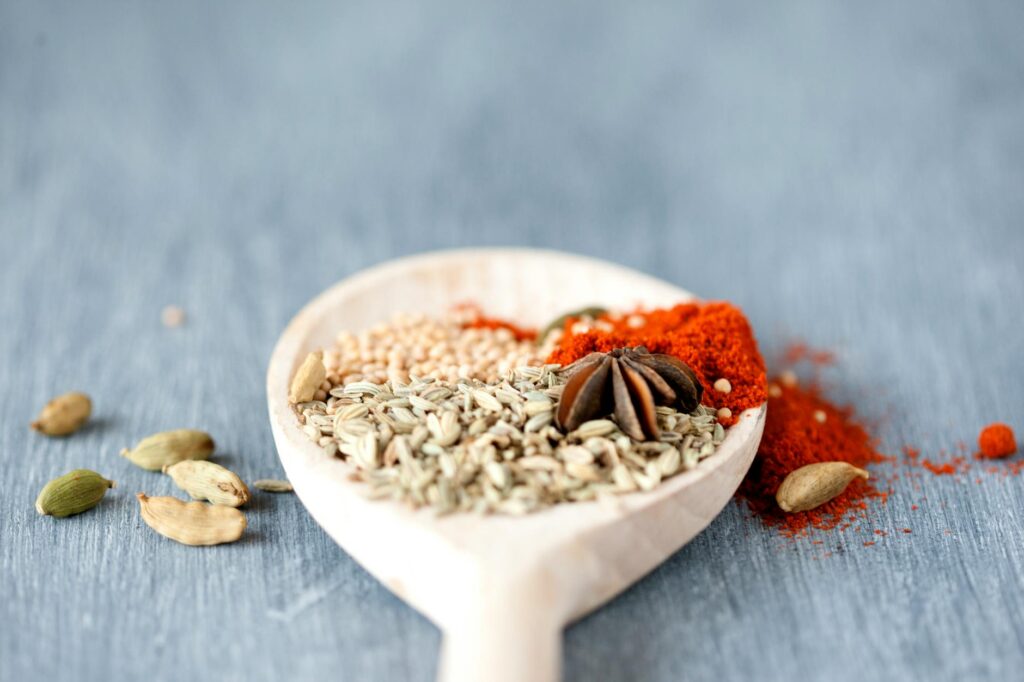
- Seeds: Quality fennel seeds should be aromatic and have a rich, sweet flavor. Avoid seeds that are stale or lack fragrance.
- Fresh Fennel: Store unwashed fennel bulbs in the refrigerator, wrapped in a damp paper towel and placed in a plastic bag. This will help retain moisture and keep them crisp. Fresh fennel typically lasts about one week when stored properly.
- Fennel Fronds: If you only use the bulbs, consider freezing the fronds for later use in stocks or as a flavor enhancer in various dishes.
- Fennel Seeds: Store fennel seeds in an airtight container in a cool, dark place. Properly stored seeds can retain their flavor for several months, but it’s best to use them within six months to a year for optimal potency.
Grading standards for fennel can vary by region, but commonly, fennel is categorized based on size and appearance. Larger bulbs are often preferred for their meatiness, while smaller ones can be more tender and flavorful. Understanding these grading distinctions can help you make informed choices at the market.
Buying Considerations
When purchasing fennel, there are several important factors to consider:
1. Seasonality: Fresh fennel is typically available year-round, but its peak season is from late fall to early spring. During these months, you are more likely to find the freshest and most flavorful specimens.
2. Source: Look for local farmers’ markets or specialty grocery stores that prioritize fresh, organic produce. Local sourcing often means shorter transit times and better quality.
3. Appearance: As mentioned earlier, inspect the bulbs and fronds closely. Avoid any that show signs of wilting, browning, or decay.
4. Size: Consider what you need for your dish. Smaller bulbs are great for roasting or salads, while larger bulbs can be sliced and grilled or used in soups.
5. Smell: Fresh fennel emits a sweet, licorice-like aroma. If the smell is faint or unpleasant, it may indicate age or poor quality.
6. Packaging: For pre-packaged fennel, ensure that the packaging is intact and free from moisture or damage. This can help maintain freshness and prevent spoilage.
Uses and Applications
Fennel’s culinary applications are diverse, making it a valuable ingredient in many cuisines. Fresh fennel can be enjoyed raw in salads, where its crisp texture and subtle flavor add depth. It can also be sautéed, roasted, or braised, allowing its natural sweetness to develop. In addition to the bulb, fennel fronds can be used as a garnish or in dressings, while fennel seeds are often utilized in spice blends, marinades, and baked goods.
Fennel is also a staple in various regional dishes, such as Italian sausages, Indian curries, and Middle Eastern salads. Its unique flavor profile makes it a perfect complement to seafood, poultry, and vegetables, and it can even be infused into oils and vinegars for added depth.
Storage and Shelf Life
Proper storage is crucial to maintaining the freshness and quality of fennel. Here are some guidelines:
Common Misconceptions
Fennel is often misunderstood, leading to a few common misconceptions:
1. Fennel Tastes Like Anise: While fennel does have an anise-like flavor, it is more complex. The taste can vary significantly based on how it is prepared and cooked.
2. Only the Bulb is Edible: Many people believe that only the bulb of the fennel plant is edible. In reality, both the fronds and seeds are flavorful and can enhance various dishes.
3. Fennel is Difficult to Prepare: Some may shy away from using fennel due to perceived preparation difficulties. In truth, fennel can be easily sliced, chopped, or shaved, making it accessible for any home cook.
4. Fennel is Only Used in Mediterranean Cuisine: While fennel is a staple in Mediterranean dishes, its versatility allows it to be incorporated into a wide range of global cuisines.
Frequently Asked Questions
1. How do I know if fennel is fresh?
Fresh fennel should feel firm and heavy, with a smooth surface. The fronds should be bright green and crisp, while the bulb should be free from blemishes or soft spots.
2. Can I use fennel seeds instead of the bulb?
Yes, fennel seeds can be used as a flavoring agent in various dishes. However, they will impart a different texture and intensity compared to using the fresh bulb.
3. How do I store leftover fennel?
Wrap any unused fennel in a damp paper towel and place it in a plastic bag in the refrigerator. It should remain fresh for about a week.
4. Is fennel available year-round?
Yes, fennel is generally available year-round, but it is at its peak during the cooler months, from late fall to early spring.
5. What are some common culinary uses for fennel?
Fennel can be enjoyed raw in salads, sautéed, roasted, or grilled. It is also commonly used in spice blends, marinades, and infused oils.
6. Are there any special considerations for cooking fennel?
Fennel can be quite versatile in cooking. When roasting or grilling, slicing it into even pieces can help ensure uniform cooking and flavor development.
—
Fennel is a dynamic ingredient that can elevate a wide variety of dishes when chosen and prepared thoughtfully. Understanding how to select high-quality fennel, along with its uses and storage, will enhance your culinary repertoire and appreciation for this remarkable plant. Whether you’re using it in a classic Italian dish or experimenting with global flavors, the right fennel can make all the difference.