
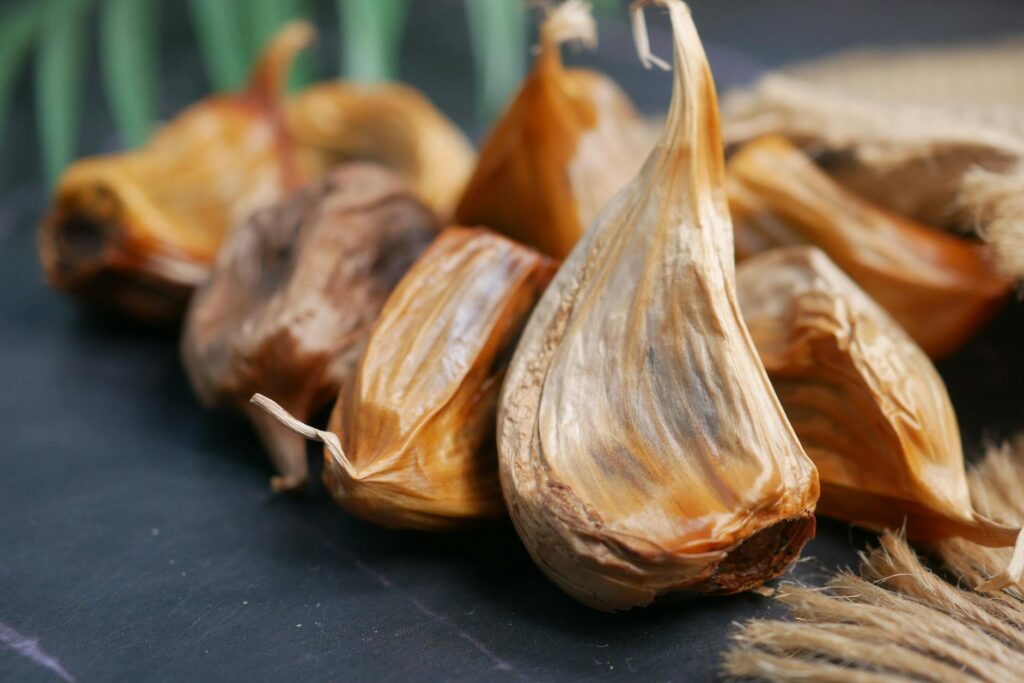
How to Choose High-Quality Fermented Black Garlic
Introduction
Fermented black garlic has gained prominence in culinary circles for its unique flavor profile and potential health benefits. This ingredient, crafted through a meticulous fermentation process, offers a sweet, umami-rich taste that enhances a variety of dishes. However, not all fermented black garlic is created equal. Understanding how to choose high-quality fermented black garlic is crucial for maximizing flavor and culinary application. This article delves into the intricacies of buying fermented black garlic, exploring its history, production, quality indicators, and practical considerations.
What Is Buying?
Buying, in the context of food ingredients, refers to the process of selecting and purchasing food items based on a variety of factors, including quality, source, and purpose. When it comes to fermented black garlic, this process involves discerning the differences in quality, flavor, and nutritional value. A well-informed buyer can navigate the complexities of the market, ensuring they select an ingredient that meets both culinary and personal standards.
History and Origins
The origins of black garlic can be traced back to Asia, particularly Korea and Japan, where it has been used for centuries. Traditional methods involved fermenting whole bulbs of raw garlic at controlled temperatures and humidity levels for several weeks. This process not only transforms the garlic into a dark, sticky product but also alters its flavor profile, making it sweeter and less pungent. In recent years, black garlic has gained global popularity, finding its way into gourmet cuisine and specialty food markets. Understanding its historical roots can enhance appreciation for its culinary applications and cultural significance.
Production and Processing
The production of fermented black garlic is a careful art. Raw garlic bulbs are subjected to a fermentation process that typically lasts for three to four weeks. The conditions required for fermentation involve specific temperature and humidity levels, usually around 60-80°C (140-176°F) with about 80-90% humidity. During fermentation, the garlic undergoes a Maillard reaction, which contributes to its dark color and complex flavor.
In commercial production, it is vital to ensure cleanliness and quality control throughout the process. High-quality fermented black garlic is usually made from fresh, organic garlic without the use of preservatives or additives. The final product should have a soft, jelly-like texture and a glossy appearance, indicative of successful fermentation.
Quality and Grading
When choosing fermented black garlic, quality is paramount. Several factors can help assess the quality:
1. Appearance: High-quality black garlic should have a uniform dark color, typically black or deep brown. It should be plump and moist without any signs of dryness or discoloration.
2. Texture: The cloves should be soft and somewhat sticky, reflecting the fermentation process. They should not crumble easily or feel overly hard.
3. Flavor: A well-fermented black garlic should have a sweet, complex flavor with hints of molasses, balsamic vinegar, and umami. Avoid products that taste overly bitter or harsh.
4. Aroma: The fragrance of high-quality black garlic is mellow and slightly sweet, lacking the pungent odor of raw garlic. A strong, unpleasant smell may indicate poor quality or spoilage.
5. Source: Knowing the source of your black garlic can greatly influence its quality. Products made from organic garlic are generally preferable, as they are free from chemicals and pesticides that can affect flavor and health.
Buying Considerations
When purchasing fermented black garlic, consider the following factors to ensure you select the best quality:
1. Packaging: Opt for products that are well-packaged to preserve freshness. Vacuum-sealed or airtight containers are ideal as they prevent moisture loss and contamination.
2. Label Information: Check for labels that indicate organic certification or sourcing from reputable farms. Transparency in production practices is an indicator of quality.
3. Local vs. Imported: While imported black garlic may offer unique flavor profiles, local products can sometimes ensure fresher options. Explore local markets or specialty stores for regionally produced black garlic.
4. Price Point: Quality fermented black garlic may come at a higher price. While it can be tempting to opt for cheaper options, be wary; lower prices can often correlate with inferior quality.
5. Brand Reputation: Research brands that specialize in fermented black garlic. Reviews and recommendations from chefs or food experts can provide insights into the best products available.
6. Sampling: If possible, sample the product before purchasing. Many specialty food stores offer tastings, allowing you to assess flavor and texture firsthand.
Uses and Applications
Fermented black garlic is a versatile ingredient that can elevate various dishes. Its unique flavor makes it an excellent addition to soups, sauces, marinades, and dressings. Chefs often incorporate it into gourmet dishes, enhancing the taste of meats, vegetables, and grains. Additionally, it can be blended into spreads or dips, providing a rich, savory depth.
Beyond culinary applications, fermented black garlic is increasingly used in the food industry for its potential to enhance flavor without added salt or artificial ingredients. Its natural sweetness can also act as a substitute for sugar in certain recipes, making it a valuable ingredient in health-conscious cooking.
Storage and Shelf Life
Proper storage is essential to maintain the quality of fermented black garlic. Ideally, keep it in a cool, dark place, away from direct sunlight and heat sources. Once opened, it should be refrigerated in an airtight container to prevent moisture loss and contamination.
The shelf life of fermented black garlic varies depending on the packaging and storage method. Unopened, it can last up to a year, while opened black garlic may remain fresh for several weeks if stored correctly. Always check for signs of spoilage, such as off-odors or mold, before consumption.
Common Misconceptions
1. Fermented black garlic is the same as roasted garlic: While both undergo heat treatment, fermentation involves a biochemical process that alters the garlic’s properties significantly. Fermented black garlic is sweeter and milder than roasted garlic.
2. All black garlic is created equal: The quality of black garlic can vary greatly based on the garlic used, fermentation time, and processing methods. High-quality fermented black garlic is distinct from lower-quality options.
3. Fermented black garlic is only for gourmet cooking: While it is celebrated in gourmet cuisine, fermented black garlic can easily be incorporated into everyday cooking, enhancing the flavor of simple dishes.
4. Fermented black garlic has no nutritional value: On the contrary, the fermentation process may enhance certain antioxidants and compounds, making it a flavorful addition to a balanced diet.
Frequently Asked Questions
1. How can I tell if the fermented black garlic is fresh?
Look for a uniform dark color, a soft texture, and a sweet aroma. Avoid any products that show signs of dryness, mold, or an off-putting smell.
2. Can I make fermented black garlic at home?
Yes, it is possible to make fermented black garlic at home using controlled temperature and humidity. However, it requires careful monitoring to achieve optimal results.
3. Is there a difference between black garlic and fermented black garlic?
While both terms are often used interchangeably, fermented black garlic specifically refers to garlic that has undergone a fermentation process, resulting in distinct flavor and texture.
4. Where can I buy high-quality fermented black garlic?
High-quality fermented black garlic can be found at specialty food stores, farmers’ markets, and online retailers. Look for brands that prioritize organic and sustainable farming practices.
5. Can fermented black garlic be used in raw dishes?
Yes, fermented black garlic can be used in raw dishes, such as salad dressings or dips, to add depth of flavor without cooking.
6. What should I do if my fermented black garlic has an unusual odor?
If your fermented black garlic has an off-odor or shows signs of spoilage, it is best to discard it. Fresh black garlic should have a mild, sweet aroma.
Conclusion
Choosing high-quality fermented black garlic requires a keen understanding of its characteristics, production processes, and potential culinary applications. By paying attention to quality indicators, sourcing practices, and storage methods, you can elevate your culinary repertoire with this unique ingredient. Whether you’re a professional chef or a home cook, incorporating fermented black garlic can enhance the complexity and richness of your dishes, making it a worthy addition to any kitchen.