
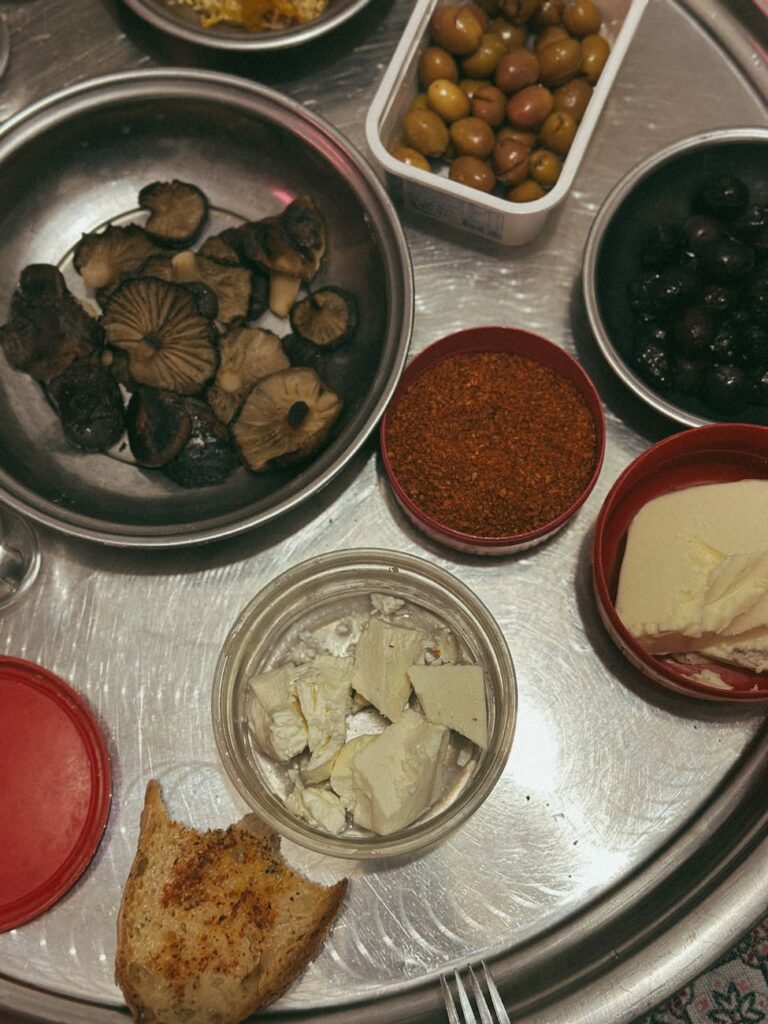
How to Choose High-Quality Feta Cheese
Introduction
Feta cheese, a staple of Mediterranean cuisine, has earned its place in culinary traditions worldwide. Known for its crumbly texture and tangy flavor, this cheese is not only versatile but also beloved in salads, pastries, and various dishes. However, with the plethora of options available in the market, selecting high-quality feta cheese can be a daunting task. This article aims to provide a comprehensive guide on how to choose the best feta cheese, covering its history, production, quality indicators, and practical buying considerations.
What Is Buying?
Buying, in the context of food ingredients, refers to the process of selecting and procuring food items based on their quality, price, and suitability for specific culinary applications. It involves more than merely looking at prices; it necessitates understanding the product’s origin, characteristics, and intended use. When buying feta cheese, consumers must navigate through various brands, styles, and formats, making informed decisions essential for ensuring satisfaction and maximizing culinary potential.
History and Origins
Feta cheese has a rich history that dates back thousands of years, with origins tracing back to ancient Greece. The name “feta” is derived from the Italian word “fetta,” meaning slice, which refers to the traditional way this cheese was cut. According to Greek mythology, the cheese was a favorite of the gods, reflecting its revered status in ancient cultures.
Traditionally, feta cheese was made from sheep’s milk or a combination of sheep and goat milk. The production methods have evolved, but the fundamental techniques remain rooted in time-honored practices. In 2002, the European Union granted feta cheese Protected Designation of Origin (PDO) status, meaning that only cheese produced in specific regions of Greece, using traditional methods, can be labeled as “feta.” This designation ensures authenticity and preserves the cultural heritage surrounding this beloved cheese.
Production and Processing
Feta cheese production involves several key steps that contribute to its unique flavor and texture. The process generally begins with the collection of milk, which is often pasteurized to eliminate harmful bacteria while preserving the cheese’s characteristic qualities.
1. Curdling: The milk is inoculated with specific bacterial cultures and rennet, leading to coagulation. This creates curds that are then cut into small pieces to facilitate whey expulsion.
2. Whey Removal: After cutting the curds, the whey is drained off, and the curds are pressed into molds. This is a crucial step that determines the cheese’s moisture content.
3. Salting: Once formed, the cheese is salted. This step not only enhances flavor but also acts as a preservative.
4. Aging: Traditional feta cheese is aged in brine, which helps develop its tangy flavor and crumbly texture. The aging process can last anywhere from a few months to over a year, depending on the desired characteristics.
5. Packaging: Finally, feta is packaged either in brine or vacuum-sealed. The choice of packaging can significantly impact the cheese’s longevity and flavor retention.
Quality and Grading
When selecting feta cheese, understanding quality indicators is paramount. High-quality feta typically exhibits the following characteristics:
- Texture: Authentic feta should be crumbly yet creamy, without excessive dryness or a rubbery consistency. The texture should be consistent throughout, indicating proper curd development.
- Flavor: The flavor profile of feta can range from mild and tangy to robust and salty. High-quality feta should have a well-balanced taste, with a notable but not overwhelming saltiness.
- Color: Feta is usually white, although slight variations may occur based on milk source and aging. A yellowish tinge may indicate the use of cow’s milk or artificial coloring, which is less desirable.
- Moisture Content: Feta with higher moisture content tends to be creamier and richer in flavor. Conversely, overly dry feta may be a sign of poor processing or extended aging.
- Brine: Feta stored in brine is generally fresher than vacuum-sealed options. The brine helps retain moisture and flavor, making it a preferred choice for chefs and culinary enthusiasts.
- Salads: Crumbled feta adds a rich and tangy component to salads, such as Greek salad, where its flavor pairs wonderfully with fresh vegetables and olives.
- Pastries: Feta is often used in savory pastries, such as spanakopita, combining beautifully with spinach and herbs.
- Dips: Blending feta with yogurt or herbs can create creamy dips that serve as delightful appetizers.
- Pasta and Grain Dishes: Feta can enhance pasta salads or grain-based dishes, providing a flavorful contrast to other ingredients.
- Toppings: Its crumbled form makes feta an excellent topping for pizzas, flatbreads, and roasted vegetables.
- Refrigeration: Feta should always be stored in the refrigerator. If bought in brine, keep it submerged to prevent it from drying out.
- Use-by Date: Pay attention to the use-by date. Generally, feta can last for several weeks when stored properly in its original brine.
- Freezing: While not commonly recommended, feta can be frozen for up to three months. However, this may change its texture, making it more suitable for cooking applications rather than fresh consumption.
- All Feta is the Same: Many consumers assume all feta cheese is interchangeable, but variations in milk source, region, and production methods can significantly affect flavor and quality.
- Feta is Always White: While traditional feta is white, there are varieties made from cow’s milk that may appear yellowish. Always check the label for authenticity.
- Feta Should Be Very Salty: While feta does have a salty profile, overly salty feta is a sign of poor quality. A well-balanced feta should emphasize flavor over saltiness.
Buying Considerations
When purchasing feta cheese, several factors should be considered to ensure you are making a high-quality selection:
1. Source and Authenticity: Look for feta that is labeled as PDO or made from sheep and goat milk to guarantee authenticity. Familiarize yourself with reputable brands that uphold traditional production methods.
2. Packaging: Pay attention to packaging. Feta in brine is generally fresher than vacuum-sealed options. Inspect the packaging for any signs of damage, which can compromise the cheese’s quality.
3. Texture and Appearance: If possible, sample the cheese before buying. Check for a crumbly yet creamy texture, and observe the color for any unwanted hues.
4. Flavor Profile: If allowed, taste the feta. A high-quality feta should have a balanced, tangy flavor without excessive saltiness.
5. Price Point: While price can be an indicator of quality, it’s essential to consider the source and authenticity. Some artisanal brands may be pricier but offer superior quality due to traditional production methods.
6. Freshness: Always check the expiration or best-before date. Fresh feta will have a more vibrant flavor and texture.
Uses and Applications
Feta cheese is incredibly versatile and can be utilized in various culinary applications, including:
Storage and Shelf Life
Proper storage is essential for maintaining the quality of feta cheese. Here are some guidelines:
Common Misconceptions
There are various misconceptions surrounding feta cheese that can lead to confusion when purchasing:
Frequently Asked Questions
1. What is the difference between Greek feta and other types of feta?
Greek feta is made primarily from sheep’s milk or a mixture of sheep and goat milk, while other types may include cow’s milk. The flavor and texture can vary significantly based on the milk source.
2. Can feta cheese be made at home?
Yes, feta can be made at home using milk, rennet, and salt. However, replicating the authentic flavor and texture may require practice and adherence to traditional methods.
3. How should feta cheese be served?
Feta is typically served at room temperature to enhance its flavor. It can be crumbled over dishes or served in blocks alongside fresh vegetables.
4. How can I tell if feta cheese has gone bad?
Signs of spoilage include an off smell, discoloration, or mold. If feta develops a slimy texture or an unusual taste, it’s best to discard it.
5. Is all feta cheese gluten-free?
Yes, feta cheese is generally gluten-free. However, always check the packaging for potential cross-contamination.
6. What are the best dishes to use feta cheese?
Feta cheese works well in salads, pastries, dips, and as a topping for various dishes, integrating seamlessly into Mediterranean cuisine.
Conclusion
Choosing high-quality feta cheese involves an understanding of its history, production, and key indicators of quality. By considering factors such as authenticity, texture, flavor, and storage, consumers can ensure they select the best feta for their culinary endeavors. Whether enjoyed in a simple salad or as a star ingredient in a complex dish, high-quality feta cheese brings a touch of Mediterranean flair and richness to any table.