
How to Choose High-Quality Fiddlehead Ferns
Introduction
Fiddlehead ferns, the curled young fronds of certain fern species, have garnered attention for their unique flavor and delicate texture. Often foraged in the wild during the spring months, these edible greens are celebrated for their versatility in culinary applications. However, to fully appreciate their distinctive qualities, it is essential to understand how to select high-quality fiddlehead ferns. This comprehensive guide aims to equip you with the knowledge needed to make informed purchasing decisions.
What Is Buying?
In the context of food ingredients, “buying” refers to the process of selecting and acquiring food items. This involves assessing various factors such as freshness, quality, and seasonality while considering personal preferences and culinary needs. For fiddlehead ferns, understanding the nuances of buying will enable you to identify the best specimens available in the market.
History and Origins
Fiddlehead ferns have a rich history, with indigenous peoples in North America utilizing them as a food source for centuries. Traditionally harvested in spring, these ferns were not only consumed but were also revered for their nutritional benefits. The use of fiddleheads extends beyond North America; they are also found in various cuisines around the world, including Japan, where they are known as “zenmai,” and in parts of Europe. The global appreciation of fiddlehead ferns has sparked interest in their cultivation and sustainable harvesting practices.
Production and Processing
Fiddlehead ferns are primarily harvested in the wild, although some farmers have begun cultivating them. The most commonly harvested species include the ostrich fern (Matteuccia struthiopteris), the bracken fern (Pteridium aquilinum), and the lady fern (Athyrium filix-femina).
Harvesting typically occurs in early spring, just before the fronds unfurl completely. Sustainability is crucial in this process; overharvesting can lead to ecological imbalance. For this reason, responsible foragers often take only a portion of the fronds from each plant, allowing the ferns to regenerate for future seasons.
Once harvested, fiddleheads should be cleaned and, ideally, consumed fresh. If not used immediately, they can be blanched and frozen for later use. The processing methods can significantly affect the taste and quality of the ferns, making careful consideration essential.
Quality and Grading
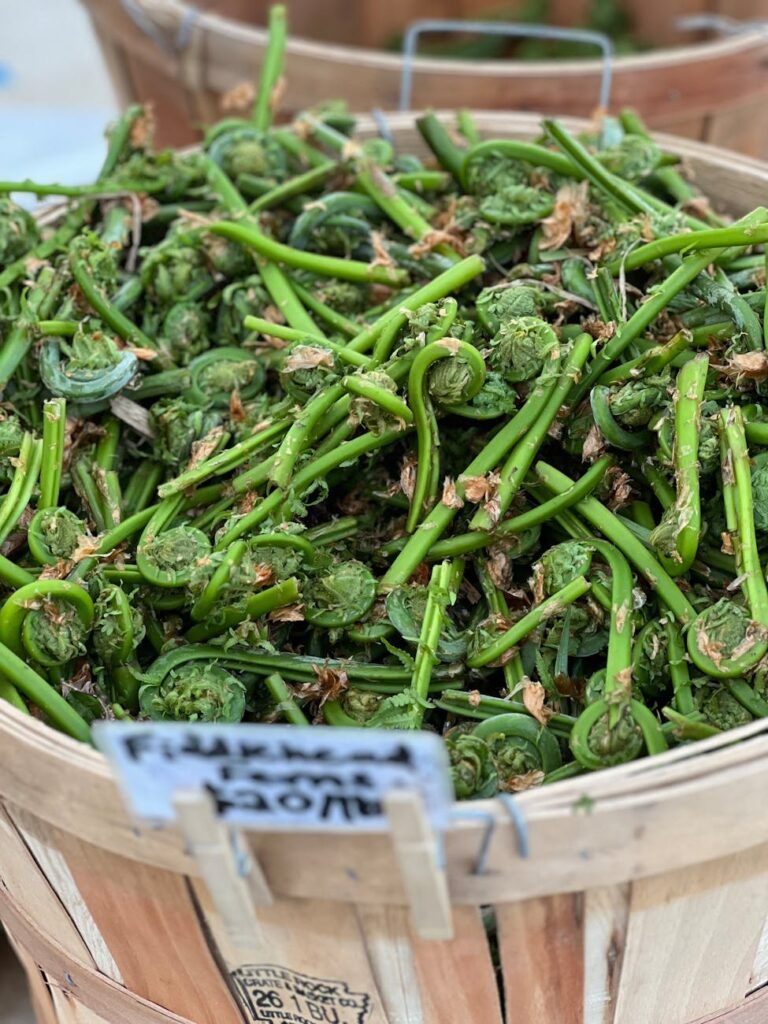
When selecting fiddlehead ferns, quality is paramount. High-quality fiddleheads should exhibit the following characteristics:
1. Color: Look for vibrant green fronds. Dull or yellowing ferns may indicate age or improper handling.
2. Texture: Fresh fiddleheads should feel firm and crisp. Avoid those that are limp or soggy, as these are likely past their peak freshness.
3. Shape: Ideal fiddleheads are tightly coiled. Loose or unfurled fronds may not have the same flavor or texture.
4. Size: Smaller fiddleheads are generally more tender and flavorful. Larger ones may be tougher and require longer cooking times.
While grading systems for fiddlehead ferns are not standardized, discerning buyers can rely on these visual and tactile cues to ensure they purchase the best quality.
Buying Considerations
When purchasing fiddlehead ferns, several factors should be taken into account:
Seasonality
Fiddlehead ferns are typically available in spring, with peak harvest times varying by region. Knowing the local season can help you acquire the freshest products. In North America, for example, fiddleheads are usually harvested from late April to early June.
Source
Choosing the right source is vital. Local farmers’ markets and specialty grocery stores often provide fresher options compared to mass-produced varieties. If foraging, ensure you are knowledgeable about safe and sustainable practices.
Price
Prices for fiddlehead ferns can vary based on availability and location. While they may be more expensive than other greens, their unique flavor profile justifies the cost for many culinary enthusiasts.
Packaging
If purchasing pre-packaged fiddleheads, inspect the packaging for any signs of moisture, which can indicate spoilage. Additionally, look for a harvest date to ensure freshness.
Uses and Applications
Fiddlehead ferns are versatile ingredients that can be incorporated into various culinary applications. Their unique, earthy flavor pairs well with a range of ingredients, making them suitable for salads, stir-fries, and pastas. They can also be pickled or sautéed as a side dish, showcasing their delicate texture.
In addition to their culinary uses, fiddleheads are often featured in gourmet dishes, providing a seasonal touch to upscale dining experiences. Their visual appeal and unique taste make them a favored choice among chefs looking to elevate their menus.
Storage and Shelf Life
To maintain the quality of fiddlehead ferns, proper storage is essential. Fresh fiddleheads should be kept in a sealed container in the refrigerator and ideally used within a week of purchase. If you plan to store them for a longer period, blanching and freezing is advisable:
1. Blanching: Briefly submerge the fiddleheads in boiling water for about 2 minutes, then immediately transfer them to an ice bath to stop the cooking process.
2. Freezing: Once cooled, drain and spread them on a baking sheet to freeze individually before transferring them to an airtight container for long-term storage.
When stored properly, frozen fiddleheads can maintain their quality for up to 12 months.
Common Misconceptions
Despite their popularity, several misconceptions about fiddlehead ferns persist:
1. All Ferns are Edible: Not all fern varieties are safe for consumption. It is crucial to know which species are edible and to avoid any that are toxic.
2. Cooking is Optional: Raw fiddleheads must be cooked before consumption to eliminate potential toxins. Cooking not only enhances their flavor but also ensures safety.
3. Fiddleheads are Just a Trend: While they have gained popularity in gourmet cuisine, fiddlehead ferns have a long-standing history as a traditional food source, making them much more than a fleeting culinary trend.
Frequently Asked Questions
1. How can I tell if fiddleheads are fresh?
Fresh fiddleheads should be tightly coiled, vibrant green, and firm to the touch. Avoid any that appear limp or have browning edges.
2. Are fiddlehead ferns safe to eat raw?
No, fiddlehead ferns should always be cooked before consumption to eliminate potential toxins and ensure safety.
3. Where can I buy fiddlehead ferns?
Fiddlehead ferns can be found at farmers’ markets, specialty grocery stores, and sometimes in the produce section of larger supermarkets during their peak season.
4. How do I clean fiddleheads before cooking?
Rinse fiddleheads under cold running water to remove any dirt or debris. You may also soak them in water for a few minutes to help loosen any stubborn particles.
5. Can I freeze fiddlehead ferns?
Yes, blanching and freezing fiddleheads is a great way to preserve their quality for future use. Properly stored, they can last up to 12 months in the freezer.
6. Are there any health benefits to eating fiddlehead ferns?
While this article does not provide medical advice, fiddlehead ferns are known to be rich in nutrients, including antioxidants and dietary fiber, making them a healthy addition to a balanced diet.
In conclusion, understanding how to choose high-quality fiddlehead ferns enhances your culinary experience and ensures that you are making informed purchasing decisions. By considering factors such as seasonality, source, and quality, you can enjoy the unique flavor and texture that fiddlehead ferns bring to your dishes.