
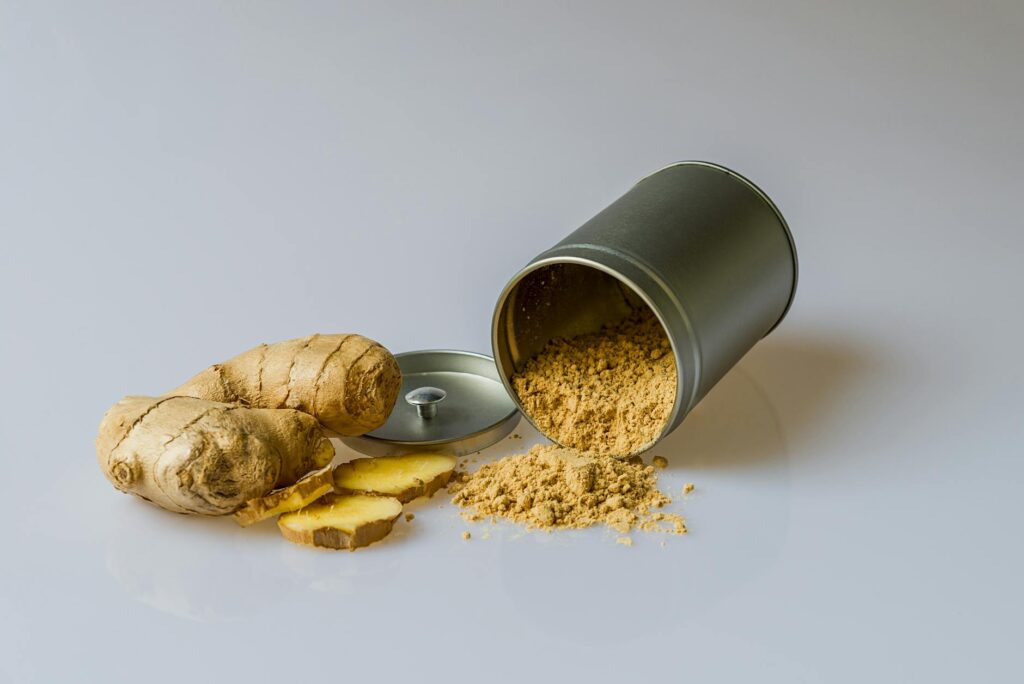
How to Choose High-Quality Ginger
Introduction
Ginger (Zingiber officinale) stands as one of the most versatile and widely used ingredients across global cuisines. Known for its aromatic flavor and distinctive warmth, it has transcended cultural boundaries, contributing to a myriad of dishes, beverages, and even medicinal applications. However, the quality of ginger can vary significantly based on various factors. This article aims to provide a comprehensive guide on how to select high-quality ginger, ensuring that culinary enthusiasts and professional chefs alike can make informed purchasing decisions.
What Is Buying?
In the context of food ingredients, buying refers to the process of selecting, purchasing, and acquiring food products. This includes understanding the various factors that influence the quality and freshness of an ingredient, as well as recognizing the different forms and grades available in the market. For ginger, buying encompasses not only the physical characteristics of the root but also considerations of origin, production methods, and storage practices.
History and Origins
Ginger has a rich history that dates back over 5,000 years, originating in Southeast Asia. It was one of the first spices to be exported from the East to the West, with its use recorded in ancient Chinese and Indian texts. The spice spread through trade routes and was highly prized in ancient Rome, where it was believed to have various health benefits. Today, ginger is cultivated in many tropical and subtropical regions, with significant production in countries such as India, China, Nigeria, and Indonesia. Its global popularity has led to a diverse range of varieties and uses, further emphasizing the importance of understanding quality when buying ginger.
Production and Processing
The production of ginger involves several stages, from cultivation to harvesting and processing. Ginger thrives in well-drained, fertile soil with adequate rainfall, typically being planted in the spring. The roots are harvested approximately 8 to 10 months after planting when they are mature.
Once harvested, the ginger undergoes a processing stage that may include washing, peeling, and drying. Fresh ginger can be sold in its whole form, while dried ginger is often ground into powder or sold as crystallized ginger. Understanding these stages is crucial when selecting ginger, as improper handling can compromise its quality.
Quality and Grading
When it comes to ginger, quality is often determined by several key factors, including appearance, aroma, and texture. High-quality ginger should be firm, with smooth skin that is free from blemishes, mold, or signs of decay. The color should be a light tan to golden hue, indicating freshness and vitality.
Ginger is usually graded based on size, skin quality, and the amount of fiber present. Larger roots are often preferred for their juiciness and flavor, while smaller, younger ginger may be favored for its tender texture. Understanding these grading systems can assist buyers in making more informed decisions.
Buying Considerations
When purchasing ginger, there are several vital considerations to keep in mind:
1. Freshness: Select ginger that feels firm and heavy for its size. Avoid roots that are wrinkled or dried out, as these indicate age and loss of flavor.
2. Aroma: Fresh ginger should have a strong, peppery scent. A lack of aroma may suggest that the ginger is old or has been improperly stored.
3. Organic vs. Conventional: Organic ginger is grown without synthetic pesticides or fertilizers, which may appeal to health-conscious consumers. However, conventional ginger can also be high quality if sourced from reputable suppliers.
4. Variety: There are several varieties of ginger, including young ginger (also known as spring ginger) and mature ginger. Each has distinct flavor profiles and uses, so consider what you need for your culinary applications.
5. Source: Knowing where your ginger comes from can provide insights into its quality. Regions known for high-quality ginger include India, China, and Peru. Look for certifications or quality seals from reliable producers.
6. Seasonality: Ginger is typically harvested in specific seasons depending on the region. Buying in-season ginger can often result in better quality and flavor.
Uses and Applications
Ginger’s versatility makes it a staple in a wide array of culinary applications. It can be used in both sweet and savory dishes, from Asian stir-fries to Western baked goods. Beyond its flavor, ginger is also employed in beverages, such as ginger tea and cocktails, where its aromatic qualities shine.
In the culinary world, ginger is often used in marinades, dressings, and sauces, and it pairs well with a variety of ingredients, including garlic, soy sauce, and citrus. Its ability to enhance flavors makes it a favorite among chefs and home cooks alike. Furthermore, ginger’s popularity extends to the beverage industry, where it is a key ingredient in sodas, teas, and health drinks.
Storage and Shelf Life
Proper storage is crucial for maintaining the quality and shelf life of ginger. Fresh ginger should be stored in a cool, dry place. If you plan to use it within a week, it can be kept in a paper bag in the refrigerator. For longer storage, ginger can be frozen, though this may alter its texture.
Dried ginger or ginger powder should be kept in an airtight container in a cool, dark place to preserve its flavor and potency. When stored correctly, dried ginger can last for several months, while fresh ginger typically lasts about three weeks in the refrigerator.
Common Misconceptions
Despite its popularity, several misconceptions about ginger persist. One common myth is that all ginger is the same. In fact, the quality and flavor can vary greatly depending on the variety, growing conditions, and processing methods. Additionally, some believe that dried ginger is superior to fresh ginger, but this is not universally true; each has its unique applications and flavor profiles.
Another misconception is that ginger is only used in Asian cuisines. In reality, it has found its way into various culinary traditions around the world, from spicy Indian curries to gingerbread in Western baking.
Frequently Asked Questions
1. How can I tell if ginger is fresh?
Fresh ginger should feel firm and heavy, with smooth skin that has a vibrant color. Avoid roots that are shriveled or have dark spots.
2. Is there a difference between young and mature ginger?
Yes, young ginger is harvested earlier and has a milder flavor and tender texture, while mature ginger has a stronger flavor and is more fibrous.
3. Can I freeze ginger?
Yes, ginger can be frozen. Peel and chop it into desired sizes, then store it in an airtight container or freezer bag.
4. What is the best way to store fresh ginger?
Fresh ginger should be stored in the refrigerator in a paper bag or wrapped in a cloth. It can also be frozen for longer storage.
5. Are there different varieties of ginger available?
Yes, there are several varieties of ginger, including Thai ginger, black ginger, and baby ginger, each with distinct flavor profiles and uses.
6. Can I use ginger that is starting to sprout?
While sprouted ginger is safe to consume, it may have a different flavor and texture. You can still use it, but the quality might not be the same as fresh ginger.
In conclusion, selecting high-quality ginger involves a combination of understanding its characteristics, being mindful of sourcing, and considering the intended culinary applications. By following these guidelines, consumers can ensure they are purchasing the best ginger available, enhancing their cooking and culinary experiences.