
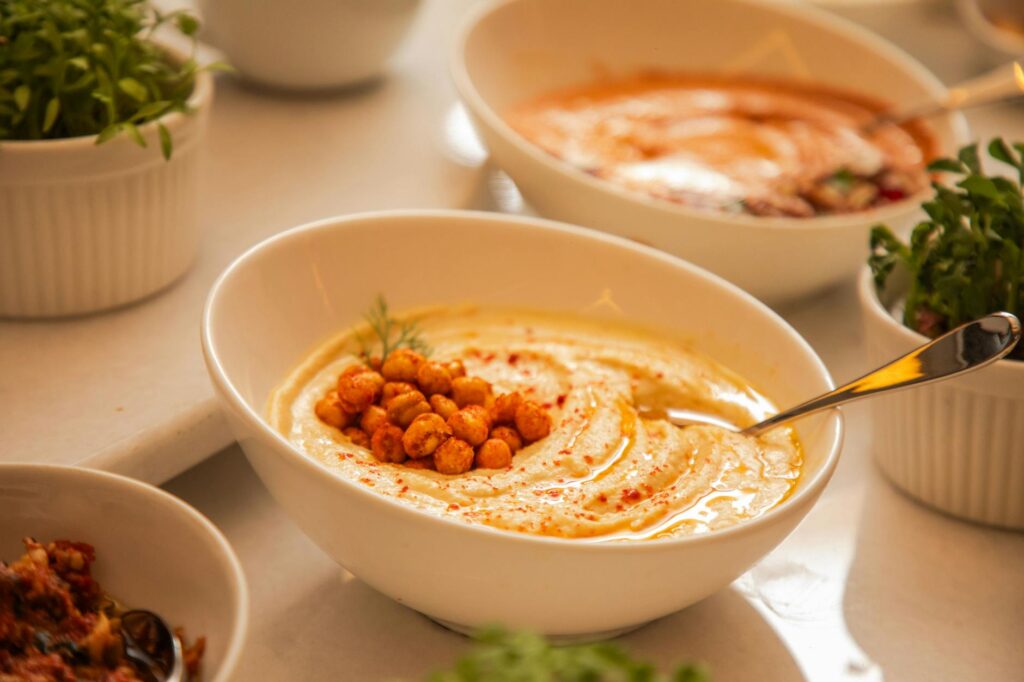
How to Choose High-Quality Hummus
Introduction
Hummus, a creamy spread made primarily from chickpeas, has transcended its Middle Eastern origins to become a staple in households across the globe. With its versatility, nutritional benefits, and delightful flavor, hummus is a beloved ingredient in various cuisines. However, not all hummus is created equal. This article will guide you through the intricacies of selecting high-quality hummus, exploring everything from its history to its storage.
What Is Buying?
Buying refers to the process of selecting and acquiring products, in this case, hummus, with the aim of ensuring quality, taste, and suitability for culinary needs. When it comes to hummus, the act of buying extends beyond merely picking a container off the shelf; it involves understanding the ingredients, production methods, and personal preferences. A well-informed buyer can significantly enhance their culinary experiences by choosing high-quality hummus that aligns with their taste and dietary needs.
History and Origins
Hummus has a rich history that dates back centuries, with its origins often debated among various cultures. The earliest known recipes for hummus can be traced back to the Levant region, encompassing modern-day Lebanon, Syria, and Palestine. The dish gained prominence in the Arab world, where it was traditionally made by grinding chickpeas, tahini, lemon juice, and garlic into a smooth paste.
As trade routes expanded and the Middle Eastern diaspora grew, hummus found its way into Mediterranean and European cuisines. In the late 20th century, it gained significant popularity in the United States and other Western countries, transforming from a regional delicacy into a mainstream health food.
Production and Processing
The production of hummus involves several key steps, each of which can affect the final product’s quality.
1. Ingredients: High-quality hummus begins with the right ingredients. Fresh, high-quality chickpeas, tahini (sesame seed paste), olive oil, garlic, and lemon juice are essential. Some brands may also add spices or herbs for flavor enhancement.
2. Preparation: Traditionally, hummus is made from dried chickpeas that are soaked and cooked. Some modern producers may opt for canned chickpeas, which can save time but may not yield the same depth of flavor.
3. Blending: The blending process is crucial. A high-quality hummus should be smooth and creamy, indicating that the chickpeas and tahini have been blended thoroughly. The ratio of chickpeas to tahini can also impact flavor and texture.
4. Packaging: Hummus is typically sold in refrigerated containers to preserve freshness. High-quality brands will use airtight packaging to prevent oxidation and spoilage.
Quality and Grading
Quality is a subjective term when it comes to hummus, but several factors can help you determine the grade of a product:
- Texture: High-quality hummus should be creamy and smooth. If the texture is gritty or chunky, it likely indicates poor blending or the use of low-quality ingredients.
- Flavor: Authentic hummus should have a balanced flavor profile that highlights the earthiness of chickpeas and the nuttiness of tahini, complemented by acidity from lemon juice and a hint of garlic.
- Ingredient List: The best hummus will have a short ingredient list, primarily composed of whole foods. Avoid products with excessive preservatives, artificial flavors, or hydrogenated oils.
- Origin of Ingredients: Some brands source their chickpeas and tahini from specific regions known for their quality, such as Turkey or Ethiopia. This can add to the overall flavor and authenticity of the hummus.
- Dip: Serve hummus with pita bread, vegetable sticks, or crackers as a nutritious snack or appetizer.
- Spread: Use hummus as a spread for sandwiches, wraps, or burgers, replacing mayonnaise or butter for a healthier option.
- Sauce: Drizzle hummus over grilled meats or roasted vegetables for added flavor and creaminess.
- Ingredient: Incorporate hummus into salads, grain bowls, or pasta dishes for a protein boost and rich texture.
- Refrigeration: Hummus should be refrigerated at all times. Once opened, it typically lasts for about 5 to 7 days, depending on the brand and preservatives used.
- Freezing: Hummus can be frozen for longer storage. When freezing, it’s recommended to portion it into smaller containers, leaving some space for expansion. Thaw in the refrigerator before use.
- Signs of Spoilage: If hummus develops an off smell, changes in texture, or shows signs of mold, it should be discarded immediately.
- All Hummus Is Healthy: While hummus can be a healthy choice, not all brands prioritize quality ingredients. Some may contain excessive sodium or preservatives, which can diminish its health benefits.
- Hummus Is Always Vegan: While traditional hummus is vegan, some variations may include dairy products, such as yogurt or cream. Always check the label if this is a concern.
- Hummus Is Just a Trend: Hummus has been a staple in Middle Eastern diets for centuries and is not merely a passing trend. Its versatility and nutritional benefits ensure its continued popularity.
- Hummus can be enjoyed in various ways, such as a dip, spread, or ingredient in dishes like salads and grain bowls.
- Check the expiration date and look for a smooth texture and balanced flavor. Fresh hummus should have a pleasant aroma.
- Most traditional hummus is gluten-free, but it’s essential to check packaging for gluten-free certification, especially if cross-contamination is a concern.
- Yes, making hummus at home allows for customization of flavors and ingredients. However, purchasing high-quality hummus can save time and effort.
- Tahini adds creaminess and a nutty flavor to hummus. It also contributes healthy fats and enhances the overall taste profile.
- Yes, hummus comes in various flavors, including roasted red pepper, garlic, and spicy harissa. Each variety offers a unique twist on the classic recipe.
Buying Considerations
When purchasing hummus, consider the following factors to ensure you choose a high-quality product:
1. Ingredient Transparency: Look for brands that clearly list their ingredients and avoid those with vague descriptions like “natural flavors.” The fewer the ingredients, the better.
2. Freshness: Check the expiration date and look for hummus that is as fresh as possible. Many brands offer a “best by” date that can help you gauge freshness.
3. Texture Preference: Some consumers prefer a creamier hummus, while others enjoy a chunkier texture. Knowing your preference can guide your selection.
4. Dietary Needs: If you have specific dietary restrictions, such as gluten intolerance or a nut allergy, ensure the hummus is certified gluten-free or free from allergens.
5. Sourcing: If possible, choose brands that source their ingredients responsibly. Organic chickpeas and tahini can enhance the quality of the final product.
6. Local vs. Imported: While many people enjoy authentic Middle Eastern hummus, there are also high-quality local brands that offer unique flavors and varieties. Exploring local options can provide delightful surprises.
Uses and Applications
Hummus is incredibly versatile, making it suitable for various culinary applications:
Storage and Shelf Life
Proper storage is crucial for maintaining the quality of hummus. Here are some guidelines:
Common Misconceptions
Several misconceptions surround hummus, which can influence buying decisions:
Frequently Asked Questions
1. What is the best way to enjoy hummus?
2. How can I tell if hummus is fresh?
3. Is all hummus gluten-free?
4. Can I make hummus at home?
5. Why is tahini important in hummus?
6. Are there different types of hummus?
In conclusion, understanding the nuances of hummus—from its origins to its production methods—enables consumers to make informed purchasing decisions. Choosing high-quality hummus not only elevates your culinary experiences but also supports brands committed to transparency and quality. Whether you enjoy it as a dip, spread, or ingredient, a well-chosen hummus can transform your meals and snacks into delightful experiences.