
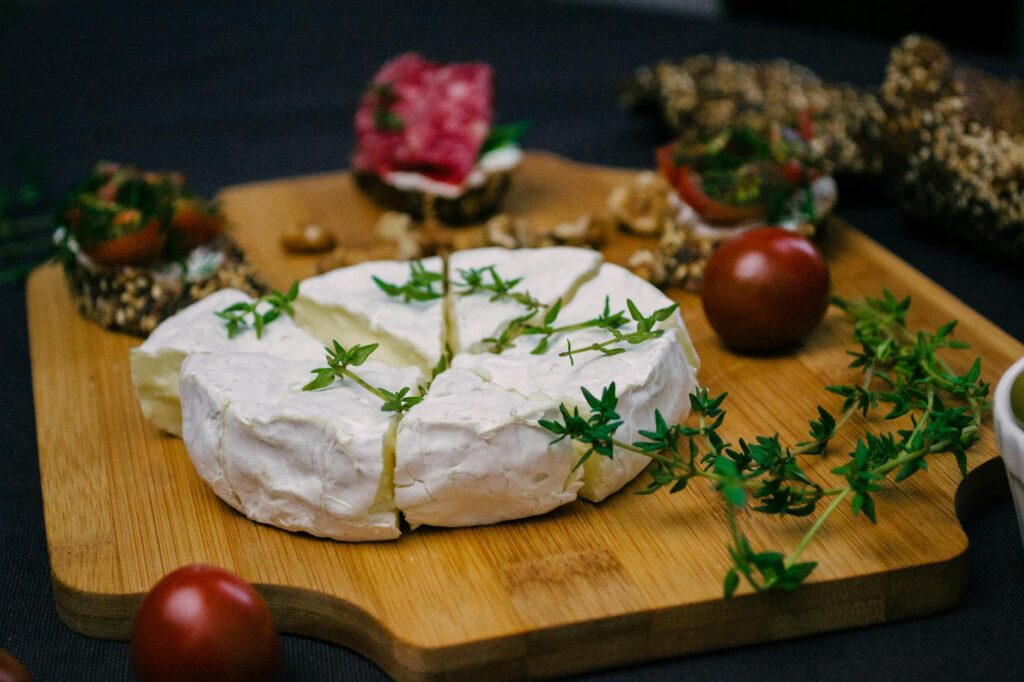
How to Choose High-Quality Kefir Cheese
Introduction
Kefir cheese, a unique and tangy dairy product derived from kefir, has garnered attention for its rich nutritional profile and versatility in culinary applications. As a staple in various cultures, particularly in Eastern Europe and the Caucasus region, kefir cheese is celebrated not only for its flavor but also for its probiotic benefits. This guide aims to provide a comprehensive understanding of how to choose high-quality kefir cheese, ensuring that you enjoy the best of this delightful ingredient.
What Is Buying?
In the context of food ingredients, “buying” refers to the process of selecting and purchasing products based on various criteria, including quality, flavor, nutritional value, and sustainability. When it comes to kefir cheese, the buying process involves understanding its characteristics, production methods, and the factors that contribute to its overall quality. High-quality kefir cheese can significantly enhance your culinary experiences, making it essential to be well-informed during your purchasing decisions.
History and Origins
Kefir cheese has its roots in the ancient traditions of the Caucasus Mountains, where it was originally made from the milk of cows, goats, or sheep fermented with kefir grains. These grains consist of a symbiotic culture of bacteria and yeasts, which not only ferment the milk but also impart a unique flavor and texture to the resulting cheese.
Historically, kefir was considered a sacred beverage, often passed down through generations as a prized possession. The cheese derived from kefir is a byproduct of the fermentation process, retaining much of the beneficial probiotics found in the original kefir. Today, kefir cheese is enjoyed globally, with various adaptations reflecting local tastes and dairy practices.
Production and Processing
The production of kefir cheese begins with high-quality milk, often sourced from grass-fed animals to ensure optimal flavor and nutritional content. The milk is inoculated with kefir grains, which ferment the lactose into lactic acid, resulting in a thick, creamy consistency. The fermentation process typically lasts between 12 to 24 hours, depending on the desired tartness and texture.
Once fermentation is complete, the curds are separated from the whey, and the resulting cheese can undergo further processing. This may include pressing, salting, or flavoring, depending on the final product’s intended use. Some artisanal producers may also incorporate additional ingredients, such as herbs or spices, to enhance the flavor profile.
Quality and Grading
When assessing the quality of kefir cheese, several factors come into play, including texture, flavor, appearance, and aroma. High-quality kefir cheese should have a smooth and creamy texture, free from excessive dryness or graininess. The flavor should be pleasantly tangy, with a balanced acidity that does not overwhelm the palate.
Grading systems for kefir cheese are not universally standardized; however, artisanal producers often emphasize their commitment to quality by adhering to traditional methods and sourcing premium ingredients. Labels indicating organic, grass-fed, or non-GMO certifications can also serve as indicators of quality.
Buying Considerations
Freshness
Freshness is paramount when selecting kefir cheese. Look for products with the latest production dates, and check for proper refrigeration at the point of sale. Avoid products with an extended shelf life, as they may contain preservatives or have undergone processing that compromises flavor and texture.
Packaging
The packaging of kefir cheese can provide insights into its quality. Opt for products in opaque containers to minimize exposure to light, which can degrade the quality of dairy. Additionally, airtight packaging helps prevent spoilage and maintains freshness.
Ingredients
Examine the ingredient list carefully. High-quality kefir cheese should contain minimal ingredients—preferably just milk, kefir grains, and perhaps salt. Avoid products with artificial additives, preservatives, or excessive flavorings.
Local vs. Imported
Consider purchasing from local producers whenever possible. Local kefir cheese often reflects regional dairy practices and can be fresher than imported varieties. Additionally, supporting local artisans helps sustain the community and encourages traditional production methods.
Taste Tests
If available, sample different brands or varieties of kefir cheese. This allows you to discern flavor differences and find a product that aligns with your taste preferences. Many artisanal producers offer tasting sessions at farmers’ markets or specialty food stores.
Uses and Applications
Kefir cheese is incredibly versatile and can be incorporated into a variety of dishes. Its creamy texture makes it an excellent choice for spreads, dips, and dressings. It can also be used as a flavorful substitute for cream cheese or ricotta in both savory and sweet applications.
In addition to its culinary uses, kefir cheese can be enjoyed on its own, paired with fruits, nuts, or whole-grain crackers. Its tangy flavor can complement both sweet and savory dishes, making it a delightful addition to breakfast, lunch, or dinner.
Storage and Shelf Life
To maintain the quality of kefir cheese, proper storage is essential. It should be kept refrigerated at all times, ideally in the coldest part of the fridge. Once opened, it is best consumed within a week or two for optimal freshness and flavor.
If you have leftover kefir cheese, consider freezing it in an airtight container. While freezing may alter the texture slightly, it can still be used in cooked dishes or blended into smoothies.
Common Misconceptions
Kefir Cheese vs. Cream Cheese
One common misconception is that kefir cheese is the same as cream cheese. While both are creamy dairy products, kefir cheese is fermented and contains probiotics, whereas cream cheese is typically made from pasteurized milk and cream, lacking the live cultures found in kefir.
All Kefir Cheese Is the Same
Not all kefir cheese is created equal. Variations exist based on milk source, fermentation time, and additional ingredients. Understanding these differences is crucial for selecting a product that meets your culinary needs.
Frequently Asked Questions
1. What is the difference between kefir cheese and regular cheese?
Kefir cheese is made from fermented milk using kefir grains, resulting in a tangy flavor and probiotic content. Regular cheese is made through traditional coagulation processes and often lacks the live cultures found in kefir.
2. Can I make my own kefir cheese at home?
Yes, making kefir cheese at home is possible by using store-bought kefir or kefir grains. The process involves fermenting milk and straining the curds from the whey.
3. How can I tell if kefir cheese has gone bad?
Signs of spoilage include an off or sour smell, mold growth, or an unusual texture. If in doubt, it’s best to discard the product.
4. Is kefir cheese suitable for those with lactose intolerance?
Many individuals with lactose intolerance can tolerate kefir cheese due to the fermentation process, which breaks down lactose. However, individual tolerance levels may vary.
5. What are some popular brands of kefir cheese?
The availability of brands may vary by region, but some well-regarded names include Nancy’s, Lifeway, and local artisanal producers. Always check for quality indicators on the packaging.
6. Can I use kefir cheese in cooking?
Yes, kefir cheese can be used in various culinary applications, including dips, spreads, dressings, and even baked goods. Its tangy flavor can enhance the overall taste of a dish.
Conclusion
Choosing high-quality kefir cheese involves a careful assessment of freshness, ingredients, and production practices. By understanding the nuances of this unique dairy product, you can enhance your culinary repertoire and enjoy the numerous benefits that kefir cheese has to offer. Whether you’re spreading it on toast, mixing it into a salad, or simply enjoying it on its own, selecting the right kefir cheese is essential to elevating your culinary experience.