
How to Choose High-Quality Kefir Grains
Introduction
Kefir grains are a vital ingredient for anyone interested in cultivating their own kefir, a fermented dairy product known for its unique tart flavor and probiotic benefits. These grains are not grains in the traditional sense; rather, they are a symbiotic culture of bacteria and yeasts (SCOBY) that can transform milk into a creamy, effervescent drink. Selecting high-quality kefir grains is crucial for achieving the desired taste and texture in your homemade kefir. This article serves as a comprehensive guide on how to choose the best kefir grains for your culinary endeavors.
What Is Buying?
In the context of kefir grains, “buying” refers to the process of acquiring these cultures from various sources, whether online or in physical stores. High-quality kefir grains can be obtained from specialized retailers, health food stores, or even through local communities of fermentation enthusiasts. Understanding the nuances of buying kefir grains is essential for ensuring you receive a healthy and viable product that will flourish in your kitchen.
History and Origins
The origins of kefir can be traced back to the Caucasus Mountains, where it has been consumed for centuries. Traditionally, it was made using animal milk, often from cows, goats, or sheep, and the grains were passed down through generations. The name “kefir” is derived from the Turkish word “keif,” meaning “good feeling,” highlighting its historical significance as a healthful beverage. Over time, kefir spread across Europe and into the Americas, becoming popular among those seeking natural probiotic-rich foods.
The grains themselves consist of a gelatinous matrix of proteins, lipids, and bacteria, which play a crucial role in the fermentation process. As kefir gained popularity, various strains of bacteria and yeast were identified, leading to diverse flavors and textures that can be produced depending on the grains used.
Production and Processing
Kefir grains are produced through a natural fermentation process involving specific strains of bacteria and yeast. The grains are usually harvested from a batch of kefir fermented in milk, where they grow and multiply over time. This symbiotic culture thrives in a warm, moist environment, making it essential to maintain optimal conditions for growth.
When purchasing kefir grains, it’s important to consider how they were produced. Grains cultivated in a controlled environment are more likely to be robust and effective than those sourced from unknown origins. Many commercial producers use specific strains of bacteria and yeast to enhance fermentation efficiency, which can yield consistent quality and flavor.
Quality and Grading
Quality is a key factor when selecting kefir grains. High-quality grains should be:
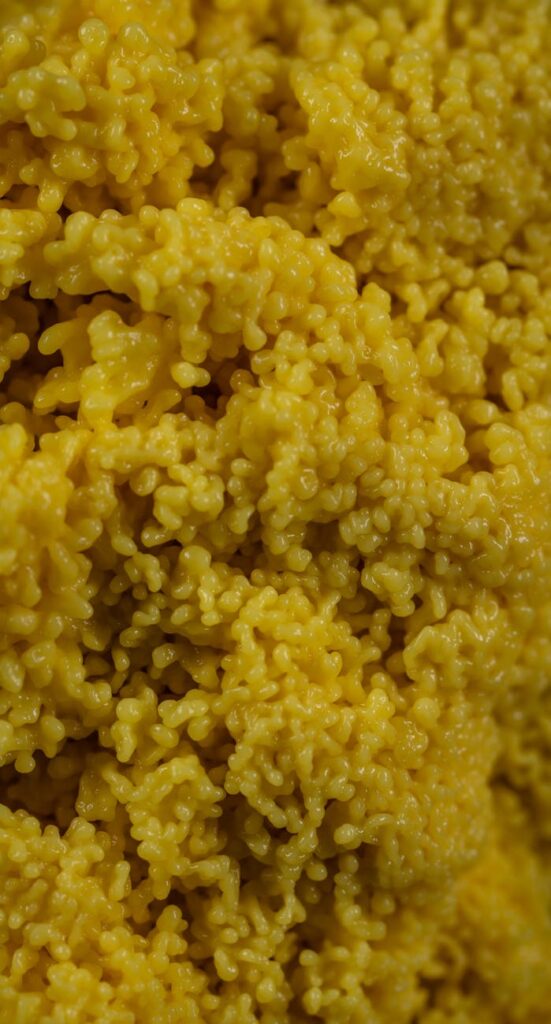
1. Healthy and Plump: Good kefir grains are typically off-white or cream-colored and should feel gelatinous and slightly sticky. They should not be overly dry or crumbly.
2. Active and Prolific: Healthy grains will multiply with proper care. If you notice that your grains are not growing or producing kefir within a reasonable time, you may need to reassess their viability.
3. Free from Contaminants: Quality grains should be free of mold, foul odors, or discoloration. Contaminated grains can lead to off-flavors and spoilage.
4. Well-Documented: Reputable sellers will provide information on the strains of bacteria and yeast that are present in their grains, along with usage instructions and care recommendations.
Buying Considerations
When selecting kefir grains, several factors merit consideration:
1. Source: Choose a reputable source for your grains, whether online or local. Look for vendors who specialize in fermentation products and have positive customer reviews.
2. Freshness: Fresh kefir grains tend to be more active. If purchasing online, check for packaging dates or any indications of when the grains were harvested.
3. Variety: Different strains of kefir grains can yield varying flavors and textures. Consider whether you want a traditional milk kefir or are interested in water kefir grains, which are ideal for non-dairy applications.
4. Size of Package: Depending on your consumption habits, you may opt for a smaller starter pack or larger quantities for regular use. Be mindful of how much you’ll need to ferment based on your family size and consumption rate.
5. Cost: While it can be tempting to opt for the cheapest option, remember that higher-quality grains may come at a premium. Consider the long-term value of investing in grains that will yield excellent results over time.
Uses and Applications
Kefir grains are versatile and can be used in various culinary applications beyond just the traditional kefir drink. Here are some popular uses:
- Fermented Foods: Kefir grains can be used to ferment a variety of products, including smoothies, salad dressings, and even soups for added probiotic benefits.
- Non-Dairy Alternatives: Water kefir grains can be used to ferment sugar water, coconut water, or fruit juices, providing a refreshing alternative to dairy kefir.
- Baking: Some bakers incorporate kefir into bread dough for added moisture and a slight tang, enhancing flavor and texture.
- Cosmetic Uses: The probiotic properties of kefir can also be harnessed in skincare, with some individuals using kefir as a face mask to promote skin health.
- Short-Term Storage: If you plan to use your grains frequently, store them in a jar with fresh milk in the refrigerator. This will slow down fermentation but keep the grains alive.
- Long-Term Storage: For extended periods of inactivity, kefir grains can be dried or frozen. Drying involves spreading the grains on a clean surface and allowing them to air-dry, while freezing requires placing the grains in a suitable container. Keep in mind
Storage and Shelf Life
Proper storage of kefir grains is essential to maintain their viability. Here are some best practices: