
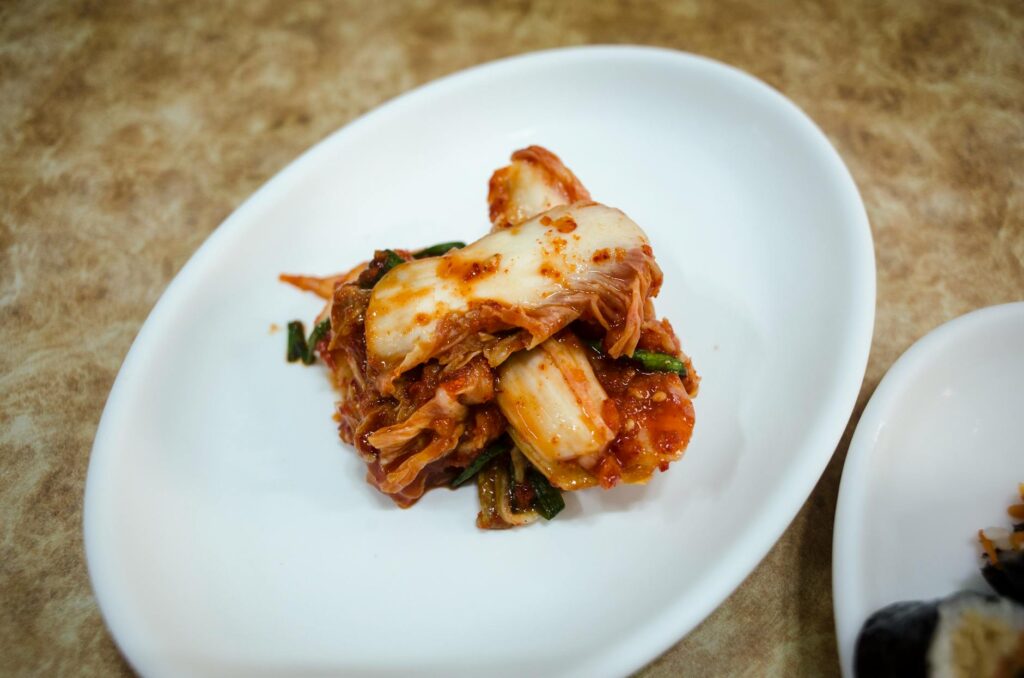
How to Choose High-Quality Kimchi
Introduction
Kimchi, a staple in Korean cuisine, is renowned not just for its vibrant flavors but also for its rich cultural and historical significance. As the global interest in fermented foods rises, understanding how to choose high-quality kimchi becomes essential for both culinary enthusiasts and health-conscious consumers. This article delves into the intricacies of buying kimchi, from its historical roots to the nuances of quality assessment.
What Is Buying?
In the context of food ingredients, “buying” refers to the process of selecting products that meet specific quality standards, taste preferences, and nutritional benefits. When it comes to kimchi, this involves evaluating factors such as freshness, the ingredients used, fermentation processes, and overall flavor profiles. Making informed choices can significantly enhance your culinary experience and ensure that you are enjoying kimchi at its best.
History and Origins
Kimchi’s origins can be traced back over two thousand years to ancient Korea. Initially, it served as a method for preserving vegetables, especially during harsh winters when fresh produce was scarce. The earliest forms of kimchi were simple pickled vegetables seasoned with salt and spices. Over the centuries, various regional adaptations emerged, leading to the diverse array of kimchi varieties we see today, from the spicy and robust Napa cabbage kimchi to the milder, vegetarian-friendly options.
The introduction of chili peppers in the 17th century revolutionized kimchi, resulting in the fiery versions that are now synonymous with the dish. Kimchi has evolved into a symbol of Korean identity and culinary heritage, often accompanying meals as a side dish or used as an ingredient in other dishes.
Production and Processing
The production and processing of kimchi involve several critical steps that can greatly affect its quality. Traditionally, kimchi is made through a fermentation process, which begins with the selection of fresh vegetables like Napa cabbage, radishes, and cucumbers, along with a variety of seasonings such as garlic, ginger, and chili powder. Quality ingredients are fundamental; fresh, organic vegetables free from pesticides yield a superior product.
Once the vegetables are prepared, they are typically salted to draw out moisture, followed by the addition of spices and other flavorings. The mixture is then packed into airtight containers for fermentation, which can last from a few days to several months, depending on the desired flavor and texture. The fermentation process not only enhances the taste but also promotes the growth of beneficial probiotics, contributing to kimchi’s healthful properties.
Quality and Grading
When selecting kimchi, understanding quality indicators is crucial. High-quality kimchi generally exhibits the following characteristics:
1. Freshness: Look for products made with fresh, seasonal vegetables. The crunchiness of the vegetables is often a good indicator of quality.
2. Flavor Complexity: A well-balanced kimchi should have a harmonious blend of spicy, sour, and umami flavors. The fermentation should enhance, not overpower, these flavors.
3. Color: The vibrant red hue usually indicates the presence of chili pepper, while the greens of the vegetables should remain vibrant and appealing.
4. Texture: Quality kimchi should maintain a satisfying crunch, with vegetables that have not become overly mushy.
5. Aroma: A pleasant, tangy aroma is a sign of proper fermentation. Off-putting smells may indicate spoilage or poor-quality ingredients.
6. Ingredient List: Look for a short list of natural ingredients. Avoid kimchi with artificial preservatives or additives, as these can compromise flavor and health benefits.
Buying Considerations
When purchasing kimchi, several factors should be taken into account:
1. Type of Kimchi
There are many different varieties of kimchi, each with its unique flavor profile. Some popular types include:
- Baechu Kimchi: The most common variety made with Napa cabbage.
- Kkakdugi: Cubed radish kimchi, known for its crunchy texture.
- Oisobagi: Cucumber kimchi, often served fresh and crunchy.
- Side Dish: Served with rice and meats, kimchi is a traditional accompaniment in Korean meals.
- Fried Rice: Kimchi fried rice is a popular comfort food that highlights the dish’s bold flavors.
- Soups and Stews: Kimchi can be added to soups and stews, such as kimchi jj
Choose based on your personal taste preferences and intended use.
2. Fermentation Time
Different fermentation times yield varying flavor intensities. Shorter fermentation results in a fresher taste, while longer fermentation develops deeper flavors. If you prefer a milder taste, opt for kimchi that has been fermented for a shorter duration.
3. Packaging
Kimchi is often sold in jars or vacuum-sealed bags. Pay attention to the packaging integrity; any leaks or bulging may indicate spoilage. Glass jars are typically preferable for visibility and sustainability.
4. Source
Consider the source of the kimchi. Artisan producers may focus on traditional methods, while mass-produced varieties might lack the same attention to quality. Supporting local or small-scale producers can also provide fresher options.
5. Dietary Restrictions
If you have dietary restrictions, carefully read the ingredient list. Some kimchi may contain fish sauce or shrimp paste, making it unsuitable for vegetarians or those with shellfish allergies. Vegan options are widely available but should be explicitly labeled.
6. Price Point
High-quality kimchi may come at a higher price point due to the quality of ingredients and the fermentation process. While budget options exist, they may compromise on flavor and quality.
Uses and Applications
Kimchi’s versatility extends beyond being a mere side dish. It can be incorporated into various culinary applications, enhancing both flavor and nutrition. Here are some popular uses: