
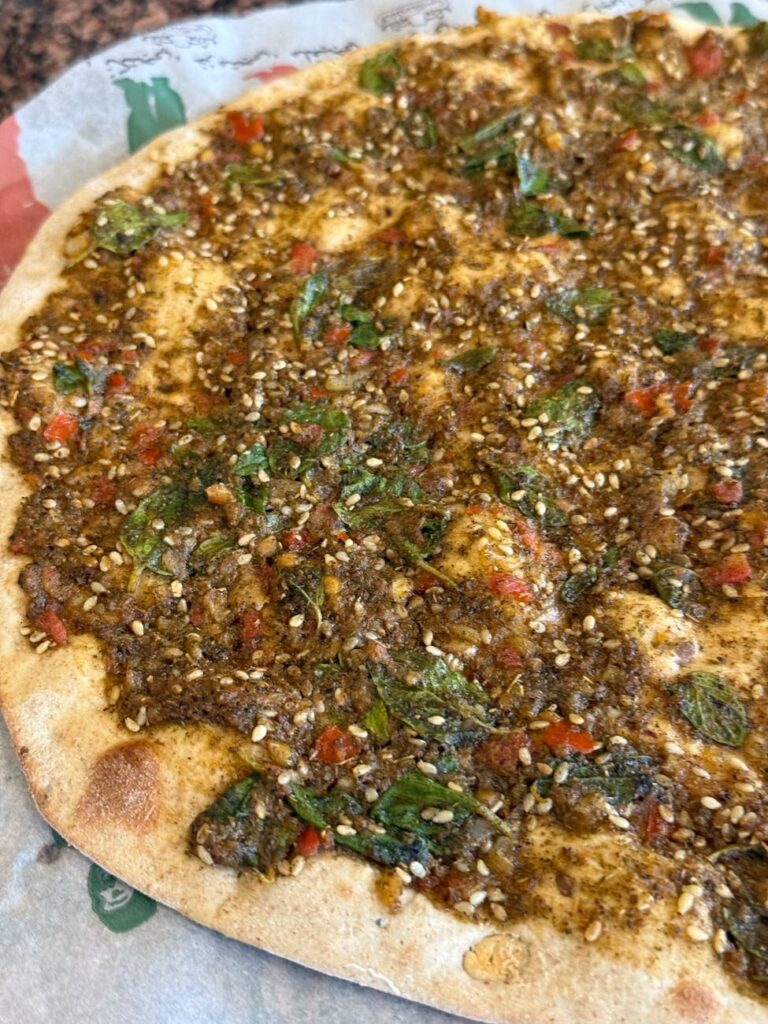
How to Choose High-Quality Lebanese Bread
Introduction
Lebanese bread, often referred to as “pita,” is a staple in Middle Eastern cuisine and has gained popularity in various culinary traditions worldwide. Its unique characteristics, including a soft texture and distinctive pocket, make it an ideal accompaniment to many dishes. However, not all Lebanese bread is created equal. This article will guide you through the intricacies of buying high-quality Lebanese bread, ensuring that you make informed decisions for your culinary needs.
What Is Buying?
Buying, in the context of food ingredients, refers to the process of selecting and purchasing food items based on various criteria, including quality, freshness, and suitability for intended use. When it comes to Lebanese bread, understanding the nuances of buying can greatly enhance your culinary experience, whether you are a home cook or a professional chef.
History and Origins
Lebanese bread has roots that trace back thousands of years, deeply intertwined with the history of the Levant region. Its origins can be linked to ancient civilizations that inhabited the area, where grains were ground and mixed with water to create a dough. The dough was then baked on hot stones or in rudimentary ovens.
Lebanon’s geographical location at the crossroads of various cultures has also influenced the evolution of its bread-making techniques. Over time, Lebanese bread became a symbol of hospitality and community, often shared among family and friends. Today, it is enjoyed in various forms across the globe, from casual street food to elegant dining experiences.
Production and Processing
The production of high-quality Lebanese bread involves several key steps, each of which contributes to its final flavor, texture, and overall quality.
Ingredients
1. Flour: Traditionally, Lebanese bread is made from high-quality wheat flour, often white or whole wheat. The type of flour used significantly impacts the bread’s texture. Whole wheat varieties tend to yield a denser bread, while white flour results in a softer, airier product.
2. Water: Fresh, clean water is crucial for dough hydration. The mineral content of the water can also affect the final product.
3. Yeast: Yeast is essential for fermentation, contributing to the bread’s rise and texture. Some artisanal bakers may use sourdough starters for added flavor complexity.
4. Salt: This ingredient not only enhances flavor but also strengthens the dough structure.
Mixing and Kneading
The dough is mixed until it reaches a smooth consistency, allowing gluten development. Kneading is a critical process that ensures an even distribution of ingredients and a uniform texture.
Fermentation
The dough is allowed to rise, usually in a warm environment, which activates the yeast and develops flavor. This process can take anywhere from 30 minutes to several hours, depending on the desired characteristics.
Baking
Lebanese bread is typically baked in a traditional oven, known as a “tannour,” which provides high, direct heat that creates the characteristic puff and pocket. The bread should be baked at a high temperature to ensure a soft interior and a slightly crispy exterior.
Quality and Grading
When selecting Lebanese bread, it is essential to understand the various quality indicators:
1. Appearance: High-quality Lebanese bread should have a uniform shape, with a golden-brown color. Avoid bread that appears overly dark or burnt.
2. Texture: The bread should be soft and pliable, with a distinct pocket. A bread that is too hard or dense may indicate poor quality or improper baking.
3. Aroma: Freshly baked Lebanese bread emits a pleasant, yeasty aroma. Any off-putting smells could indicate spoilage or poor-quality ingredients.
4. Ingredient Transparency: High-quality products often list their ingredients clearly. Look for breads that use minimal, recognizable ingredients without preservatives or artificial additives.
5. Packaging: If you are purchasing pre-packaged Lebanese bread, ensure that the packaging is intact and free from damage. Check for expiration dates to ensure freshness.
Buying Considerations
Where to Buy
- Local Bakeries: Artisan bakeries specializing in Middle Eastern cuisine often offer the freshest, high-quality Lebanese bread. Engaging with the bakers can provide insights into their techniques and ingredients.
- Supermarkets: Many supermarkets now feature international sections where you can find Lebanese bread. Always check the freshness and ingredient list.
- Online Retailers: Online marketplaces may offer a variety of Lebanese bread options, including frozen varieties for long-term storage.
- Dipping: It pairs beautifully with hummus, baba ghanoush, and other dips.
- Wraps: The pocket nature of the bread makes it an excellent choice for wraps filled with grilled meats, vegetables, or salads.
- Serving: Often served alongside stews or soups, it can be used to scoop up food, enhancing the dining experience.
- Toasting: It can be toasted to create crispy chips for various dips and spreads.
Timing
Freshness is vital when it comes to bread. Try to purchase Lebanese bread in the morning or early afternoon, as this is often when bakeries produce their goods.
Quantity
Consider how much bread you’ll need based on your intended use. If you plan to consume it within a few days, buy fresh bread. For longer storage, consider purchasing frozen varieties.
Dietary Restrictions
For those with dietary restrictions, check the ingredient list for allergens such as gluten or preservatives. Some bakeries may offer gluten-free options, though traditionally, Lebanese bread contains wheat.
Uses and Applications
Lebanese bread is incredibly versatile and can be used in various culinary applications:
Storage and Shelf Life
To maintain the freshness of Lebanese bread, proper storage is essential:
1. Room Temperature: If you plan to consume the bread within a few days, store it in a cool, dry place in a