
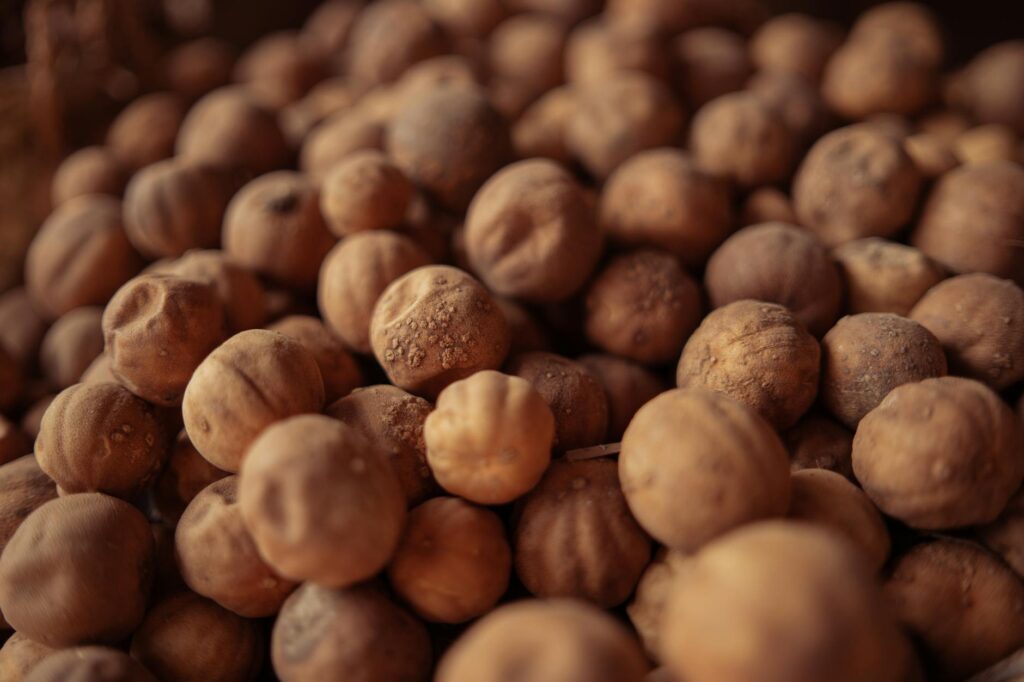
How to Choose High-Quality Lemons
Introduction
Lemons are a staple ingredient in kitchens around the world, prized for their vibrant flavor, versatility, and refreshing acidity. Whether utilized in culinary applications, beverages, or as a natural preservative, the quality of lemons can significantly influence the final outcome of a dish or drink. This article will guide you through the essential aspects of selecting high-quality lemons, ensuring you make informed choices that elevate your culinary creations.
What Is Buying?
Buying refers to the process of selecting and purchasing goods, in this case, lemons. It encompasses understanding the quality, price, and sourcing of the product to ensure that consumers obtain the best possible item for their needs. When it comes to lemons, this involves evaluating factors such as freshness, appearance, origin, and intended use. Making informed buying decisions not only enhances culinary experiences but also supports sustainable agricultural practices.
History and Origins
Lemons (Citrus limon) have a rich history that dates back thousands of years. Native to Asia, particularly India and northern Burma, lemons made their way to the Mediterranean region around the 2nd century AD. They were cultivated for their medicinal properties and later became a popular ingredient in culinary dishes. The introduction of lemons to Europe is often attributed to the Arab traders who recognized their value. By the 15th century, lemons were being cultivated in Spain and Italy, where they flourished in the warm climates.
Lemons were brought to the New World by Christopher Columbus in the late 15th century, quickly becoming an essential crop in places like Florida and California. Today, lemons are cultivated in various climates across the globe, with major production centers in the United States, Mexico, Argentina, and Spain.
Production and Processing
The production of lemons involves several stages, from planting to harvesting. Lemons are typically grown in warm, subtropical climates, requiring well-drained soil and ample sunlight. The trees can take up to three years to bear fruit, with peak production occurring during the spring and summer months.
Once harvested, lemons undergo processing, which can include washing and sorting. Quality control measures are essential during this stage to ensure that only the best fruit reaches the consumer. Many producers also engage in sustainable practices, focusing on organic farming methods that reduce pesticide use and promote environmental health.
Quality and Grading
When selecting lemons, understanding quality and grading is crucial. Lemons are typically graded based on factors such as size, color, texture, and blemishes. The U.S. Department of Agriculture (USDA) has established standards for lemon grading, categorizing them into three primary grades:
1. U.S. Fancy: These lemons are the highest quality, featuring smooth, bright yellow skin, a full shape, and minimal blemishes. They are ideal for fresh consumption and garnish.
2. U.S. #1: Slightly lower in quality than U.S. Fancy, these lemons may have minor blemishes but still maintain a vibrant color and good shape. They are suitable for cooking and beverages.
3. U.S. #2: These lemons have visible imperfections and may be smaller in size. While they may not be suitable for fresh consumption, they are often used for juicing and in cooking.
When evaluating lemons, look for a bright yellow color, firm texture, and a pleasant aroma, indicating freshness and high quality.
Buying Considerations
When purchasing lemons, several considerations can enhance your selection process:
1. Seasonality: Lemons are typically in season from winter to early summer. Buying in-season fruit often results in better flavor and lower prices.
2. Country of Origin: Lemons from different regions can vary in flavor and acidity. For instance, California lemons are known for their balanced flavor, while those from Argentina may be more acidic.
3. Organic vs. Conventional: Organic lemons are grown without synthetic pesticides or fertilizers, which may appeal to eco-conscious consumers. However, they may come at a higher price.
4. Storage Conditions: Inspect how the lemons are stored at the point of sale. They should be kept in a cool, dry area, away from direct sunlight. Avoid purchasing lemons that have been stored in excessively warm conditions.
5. Surface Condition: Check for firmness and avoid lemons with soft spots or signs of decay. The skin should be relatively smooth, without excessive blemishing or wrinkling.
6. Scent: Fresh lemons emit a strong, citrus scent. A lack of aroma may indicate that the fruit is not fresh.
Uses and Applications
Lemons are incredibly versatile, serving numerous culinary and non-culinary applications. In the kitchen, they are often used for:
- Flavoring: Fresh lemon juice and zest add brightness to dishes, enhancing the overall flavor profile. They can be used in dressings, marinades, and sauces.
- Beverages: Lemons are a classic ingredient in drinks, from lemonade to cocktails, providing a refreshing tang.
- Preservation: The acidity of lemons acts as a natural preservative, preventing browning in fruits and vegetables.
- Cleaning: Beyond culinary uses, lemon juice is favored for its antibacterial properties and pleasant scent, making it a natural choice for cleaning solutions.
- Refrigeration: Store lemons in the refrigerator to extend their shelf life up to four weeks. Placing them in a plastic bag can help retain moisture.
- Counter Storage: If lemons will be used quickly, they can be kept at room temperature for about a week. Ensure they are stored in a cool, dry place, away from direct sunlight.
- Freezing: For long-term storage, lemons can be frozen. They can be sliced or juiced before freezing,
Storage and Shelf Life
The shelf life of lemons can vary based on storage conditions. To maintain freshness: