
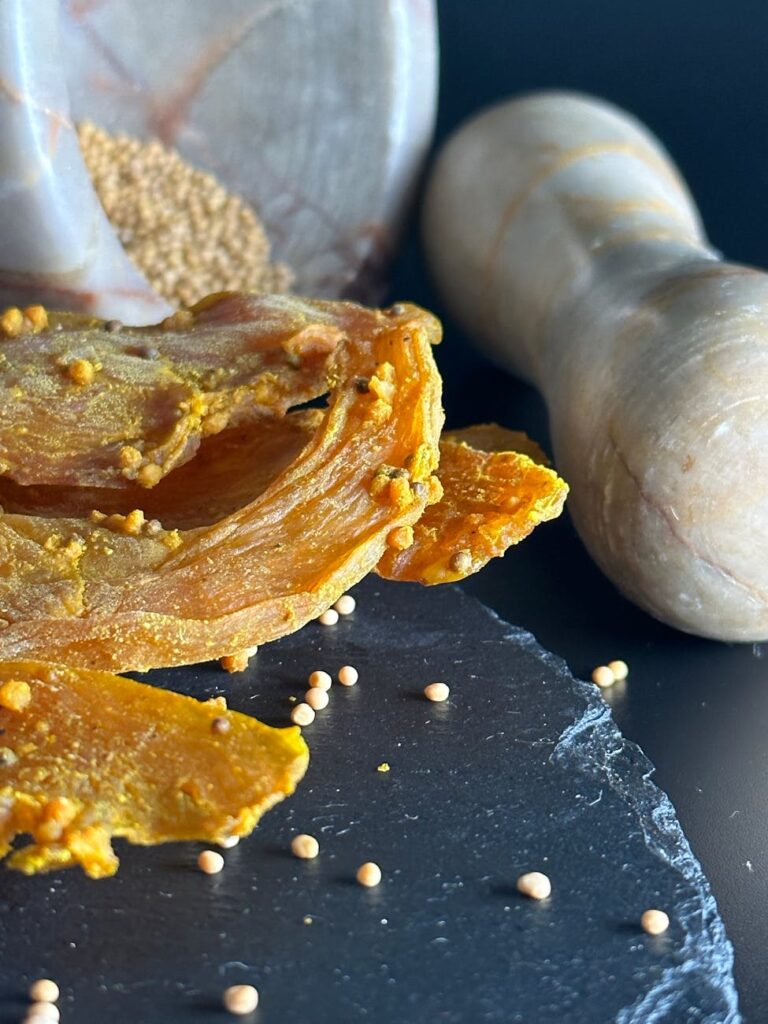
How to Choose High-Quality Mango
Introduction
Mango, often referred to as the “king of fruits,” is celebrated for its sweet, juicy flesh and vibrant color. As one of the most widely consumed fruits globally, it has found its way into various culinary traditions, from desserts and salads to sauces and beverages. However, the experience of enjoying a mango hinges largely on the quality of the fruit purchased. This article provides a comprehensive guide on how to choose high-quality mangoes, exploring their history, production, grading, and storage, along with common misconceptions and a FAQ section.
What Is Buying?
Buying, in the context of food ingredients, refers to the process of selecting and purchasing food items based on quality, freshness, and suitability for intended use. When it comes to mangoes, buying involves understanding not only the physical attributes of the fruit but also the seasonal availability, origin, and best practices for selection. Recognizing the right indicators of quality can transform your culinary experience and ensure that you are investing in a product that meets your expectations.
History and Origins
Mangoes have a rich history that dates back over 4,000 years, originating in South Asia, specifically the Indian subcontinent. Revered in Indian culture, mangoes are often associated with love and fertility, and they feature prominently in various religious texts and celebrations. From South Asia, the fruit spread to Southeast Asia, the Middle East, and eventually to the Americas through European colonization and trade.
Today, mangoes are cultivated in tropical and subtropical climates around the world, with significant production in countries such as India, China, Thailand, Indonesia, and Mexico. The diversity of mango varieties is vast, with each region contributing unique flavors, textures, and colors.
Production and Processing
Mango production involves a meticulous process that begins with cultivation. Mango trees thrive in warm, tropical climates, requiring well-drained soil and ample sunlight. The trees typically bear fruit within three to four years of planting and can continue to produce for decades.
Once harvested, mangoes undergo a series of steps to ensure they reach consumers in optimal condition. These steps include:
1. Harvesting: Mangoes are usually hand-picked to prevent bruising. Harvesting occurs when the fruit is mature but still firm, as they will ripen off the tree.
2. Post-Harvest Handling: After harvesting, mangoes are sorted and graded based on size, color, and quality. Damaged or inferior fruits are removed to ensure only the best are shipped to markets.
3. Ripening: Depending on the market destination, mangoes may be artificially ripened using ethylene gas in controlled environments. This process allows for consistent ripening and minimizes spoilage during transport.
4. Packaging and Distribution: Mangoes are packaged in ventilated boxes to allow for air circulation, preventing moisture buildup that can lead to rot. They are then transported to local and international markets.
Understanding the production process can help consumers appreciate the journey of mangoes from farm to table and underscore the importance of selecting high-quality fruits.
Quality and Grading
Quality and grading are crucial factors in determining the suitability of mangoes for consumption. The grading system for mangoes varies by region, but it generally considers several key attributes:
1. Size and Weight: Quality mangoes are typically uniform in size and weight, which can indicate ripeness and flavor concentration.
2. Color: The skin color of mangoes is a key indicator of ripeness. While different varieties exhibit varying colors, a ripe mango often has a vibrant hue, whether it’s yellow, orange, or red. Green patches may still exist, but they should not dominate the fruit.
3. Texture: A high-quality mango should feel slightly soft when gently squeezed. If the fruit is rock-hard, it is likely underripe, while excessive softness may indicate overripeness.
4. Skin Integrity: Look for smooth, blemish-free skin. Minor blemishes may not affect taste but can lead to quicker spoilage. Avoid mangoes with dark spots, wrinkles, or signs of mold.
5. Aroma: A ripe mango emits a sweet, fragrant aroma near the stem. This scent is a good indicator of ripeness and flavor.
Grading Standards
- Grade A: These mangoes are free from defects, exhibit uniform size and color, and have a rich aroma. They are considered the best for direct consumption.
- Grade B: These may have minor blemishes or imperfections but are still suitable for consumption.
- Grade C: These mangoes may have significant flaws and are typically sold at lower prices, often used for processing.
- Fresh Consumption: Enjoyed as a standalone snack or fruit salad addition.
- Smoothies and Juices: Blended into refreshing beverages, providing natural sweetness and vibrant color.
- Salsas and Chutneys: Chopped into salsas or chutneys, mangoes add a tropical twist to savory dishes.
- Desserts: Incorporated into ice creams, sorbets, or pastries, enhancing flavor profiles with their sweetness.
- Garnishes: Used as a decorative element on plates, adding visual appeal and flavor.
Buying Considerations
When buying mangoes, several considerations can enhance your selection process:
1. Variety: Familiarize yourself with different mango varieties, as each has its unique flavor profile and texture. Popular varieties include Alphonso, Haden, Tommy Atkins, and Kent, among others.
2. Seasonality: Mangoes have specific seasons based on their growing regions. For example, in India, the peak season is from April to June, while in Mexico, it is from March to July. Purchasing mangoes during their peak season usually ensures better quality and flavor.
3. Source: Whenever possible, buy mangoes from reputable vendors or local farmers’ markets. This not only supports local agriculture but often results in fresher, higher-quality fruits.
4. Ripeness: If you plan to consume mangoes immediately, choose ripe ones. If you intend to store them for later use, select slightly underripe mangoes, as they will continue to ripen at home.
5. Storage Conditions: Consider how you will store the mangoes post-purchase. If buying in bulk, ensure that you have adequate storage space to maintain optimal conditions.
Uses and Applications
Mangoes are versatile ingredients used in a myriad of culinary applications. Their sweet, juicy flesh makes them ideal for:
The versatility of mangoes makes them a staple in many kitchens worldwide, ensuring they are a beloved ingredient across various cuisines.
Storage and Shelf Life
Understanding how to store mangoes properly can extend their shelf life and maintain their quality. Here are some storage guidelines:
1. Ripening: If mangoes are not fully ripe, store them at room temperature, away from direct sunlight, until they yield slightly to pressure. This process usually takes a few days.
2. Refrigeration: Once ripe, mangoes can be stored in the refrigerator to slow down the ripening process. They can last up to five days in the fridge, although the texture may change slightly.
3. Freezing: For longer storage, mangoes can be peeled, diced, and frozen. Properly stored in an airtight container, they can last for up to six months in the freezer.
4. Avoiding Ethylene: Since mangoes produce ethylene gas, keep them away from other fruits and vegetables that are sensitive to this gas to prevent premature spoilage.
Common Misconceptions
Several misconceptions surround the selection and consumption of mangoes:
1. Green Mangoes Are Always Unripe: While many mango varieties are green when unripe, some, like the Kesar variety, remain green even when ripe. Always check for other ripeness indicators like softness and aroma.
2. All Mangoes Are the Same: There are hundreds of mango varieties, each with unique flavors and textures. Understanding these differences can enhance your mango experience.
3. Mangoes Should Be Refrigerated Immediately: Mangoes ripen best at room temperature. Refrigerating them too soon can halt the ripening process and impact flavor.
4. You Should Only Buy Mangoes in Season: While buying in-season mangoes ensures higher quality, many varieties are available year-round, especially in global markets.
Frequently Asked Questions
1. What is the best way to ripen a mango?
To ripen a mango, store it at room temperature in a paper bag to trap ethylene gas, which accelerates ripening. Check daily until it yields slightly to pressure.
2. How can I tell if a mango is ripe?
A ripe mango will feel slightly soft when squeezed, have vibrant skin color, and emit a sweet aroma near the stem.
3. Are there health benefits to eating mangoes?
Mangoes are rich in vitamins and antioxidants, but this article does not provide medical advice. For nutritional information, consult a healthcare professional.
4. Can I eat mango skin?
Mango skin is edible but may cause allergic reactions in some individuals. It is advisable to wash mangoes thoroughly and consider peeling if you have sensitive skin.
5. How long can I store mangoes in the refrigerator?
Ripe mangoes can be stored in the refrigerator for up to five days. For longer storage, consider freezing them once peeled and diced.
6. Do mangoes continue to ripen after being picked?
Yes, mangoes continue to ripen after being picked, which is why they are often harvested when they are mature but still firm.
Conclusion
Choosing high-quality mangoes is an art that combines knowledge of the fruit’s history, production practices, grading systems, storage methods, and culinary uses. By understanding these aspects, consumers can elevate their mango selection process, ensuring that they enjoy the rich flavors and textures this beloved fruit has to offer. Whether indulging in a fresh mango slice or incorporating it into a complex dish, the experience hinges on the quality of the fruit, making informed buying decisions essential.