
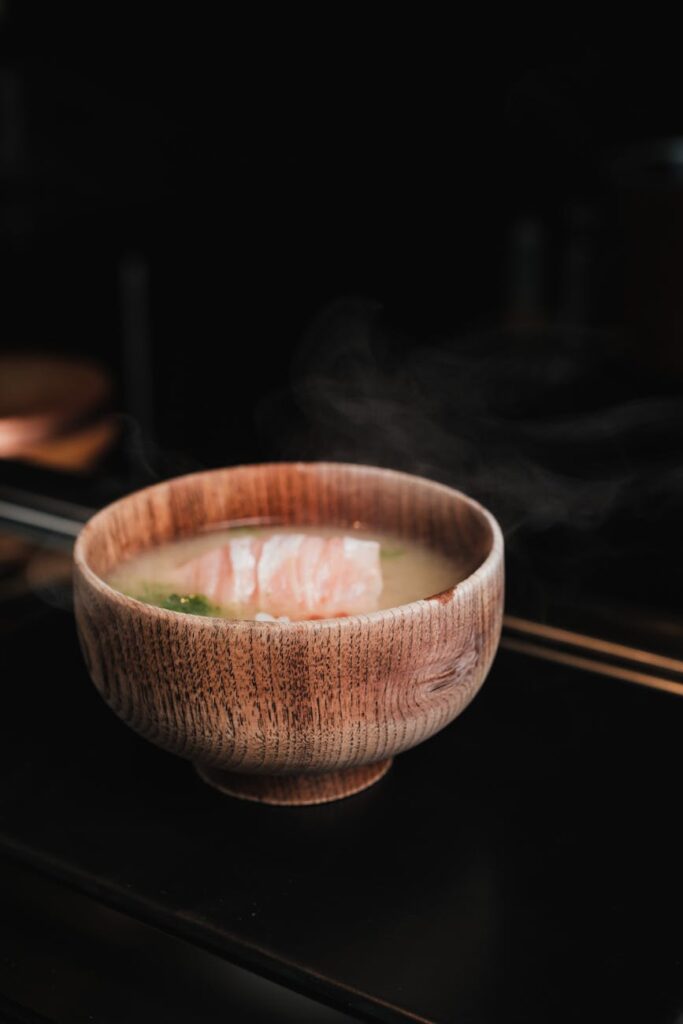
How to Choose High-Quality Miso Paste
Introduction
Miso paste, a staple in Japanese cuisine, has gained global popularity for its distinct flavor, versatility, and nutritional benefits. With its rich umami taste, miso serves as a foundational ingredient in various dishes, from soups and marinades to dressings and glazes. However, not all miso paste is created equal. This guide aims to provide a comprehensive understanding of how to choose high-quality miso paste, exploring its history, production, quality indicators, and practical considerations for buying and storage.
What Is Buying?
In the context of food ingredients, “buying” refers to the process of selecting and purchasing products that meet specific standards of quality and freshness. When it comes to miso paste, this involves evaluating various brands, types, and formulations to ensure that you obtain a product that aligns with your culinary needs and expectations. This section will delve into the significance of informed purchasing decisions, particularly concerning miso’s flavor profiles, uses, and overall quality.
History and Origins
Miso has a storied history that dates back over a thousand years, with origins traced to ancient China. The technique of fermenting soybeans to create miso was introduced to Japan in the 7th century and has since evolved into a hallmark of Japanese cuisine. Traditionally, miso was considered a luxury item, consumed primarily by the upper classes. However, during the Edo period (1603-1868), the production of miso became more widespread, making it accessible to the general populace.
Different regions of Japan developed their unique variations of miso, influenced by local ingredients, climate, and fermentation techniques. Today, miso is celebrated not only for its flavor but also for its cultural significance, marking it as an essential element in Japanese food traditions.
Production and Processing
Miso paste is created through a fermentation process involving soybeans, salt, and a specific type of mold known as Aspergillus oryzae, along with other grains like rice or barley, depending on the variety. The fundamental steps in the production of miso include:
1. Soaking and Cooking Soybeans: Soybeans are soaked overnight and then cooked until tender, forming the base of the paste.
2. Inoculation: The cooked soybeans are combined with a culture of Aspergillus oryzae (koji) and other ingredients such as salt and grains.
3. Fermentation: The mixture is then placed in fermentation vessels, where it is left to ferment for a period that can range from a few weeks to several years. The duration of fermentation greatly influences the flavor, aroma, and color of the final product.
4. Maturation: The paste is allowed to mature, developing complex flavors through enzymatic activity.
5. Packaging: Once fully fermented, the miso is blended, packaged, and either sold fresh or pasteurized.
Different fermentation times and methods create a wide variety of miso pastes, each with unique characteristics.
Quality and Grading
When selecting miso paste, understanding the quality indicators is crucial. Here are some aspects to consider:
- Ingredients: High-quality miso should have minimal ingredients. Look for products that list soybeans, salt, and koji as the primary components. Avoid miso with artificial preservatives or additives.
- Fermentation Time: Longer fermentation periods generally yield deeper and more complex flavors. Miso can be classified into different types based on fermentation length, including white (shiro), red (aka), and mixed (awase) miso.
- Texture and Aroma: Quality miso should have a smooth, creamy texture and a fragrant, slightly sweet aroma. Off-putting smells or grainy textures may indicate inferior quality.
- Origin: Traditional miso regions in Japan, such as Nagoya and Kyoto, are known for their superior products. Considering the source can help ensure quality.
- Certifications: Look for organic certifications or traditional production methods that guarantee authenticity.
- Soups: Miso soup is perhaps the most famous use, serving as a comforting base for various ingredients.
- Dressings and Marinades: Miso can be blended with oils, vinegar, and other seasonings to create flavorful dressings or marinades for meats and vegetables.
- Glazes and Sauces: It can be used to add depth to sauces, glazes for fish, and vegetable dishes, enhancing umami flavors.
- Baking: Some innovative chefs incorporate miso into baked goods for a savory twist.
- Fermentation: Miso can also be used as a base for other fermented products, enhancing their flavor profiles.
- Refrigeration: Once opened, miso should be stored in the refrigerator. It typically has a shelf life of up to a year when kept sealed and refrigerated.
- Air Tight Container: To prevent oxidation and moisture absorption, transfer miso to an airtight container if it is not already packaged that way.
- Freezing: For long-term storage, miso can be frozen. It retains its flavor and texture well when frozen, though this may alter the consistency slightly.
- Signs of Spoilage: While miso is naturally preserved due to the fermentation process, signs of spoilage include off odors, discoloration, or mold growth. If any of these are present, it’s best to discard the product.
- All Miso is the Same: Miso varies significantly in flavor, color, and use, depending on its ingredients and fermentation time. Each type serves different culinary purposes.
- Miso is Only for Soups: While miso soup is popular, miso can be utilized in numerous dishes, including dressings, marinades, and baked goods.
- Miso is Unhealthy: Miso is often perceived as unhealthy due to its sodium content. However, it is a fermented product rich in probiotics and can be part of a balanced diet when consumed in moderation.
- Miso is Only Japanese: While miso has its roots in Japan, similar fermented soybean pastes exist in other cultures, such as Chinese doubanjiang and Korean doenjang.
Buying Considerations
When shopping for miso paste, several factors should guide your purchasing decision:
1. Type of Miso: Choose the type of miso that matches your intended use. For lighter dishes, opt for white miso; for heartier applications, red miso may be more suitable.
2. Packaging: Miso is commonly available in tubs, jars, or vacuum-sealed packaging. Ensure that the packaging is intact and free from damage to maintain the product’s integrity.
3. Local vs. Imported: While local artisan brands can offer unique flavors, imported miso from Japan often adheres to traditional methods, providing an authentic taste experience.
4. Flavor Preferences: Taste preferences vary widely. If possible, sample different varieties to determine your preferred flavor profile.
5. Sustainability: Consider brands that prioritize sustainable sourcing and production practices, particularly regarding soybeans.
6. Price Point: Quality miso may come with a higher price tag, reflecting its production methods and ingredients. However, this often correlates with superior taste and authenticity.
Uses and Applications
Miso paste is remarkably versatile and can be used in a variety of culinary applications:
Storage and Shelf Life
Proper storage is essential to maintain the quality of miso paste. Here are some guidelines:
Common Misconceptions
Miso paste is surrounded by various myths and misunderstandings. Here are a few clarifications:
Frequently Asked Questions
1. What is the difference between white and red miso?
White miso, or shiro miso, is generally lighter, with a sweeter flavor due to a shorter fermentation period. Red miso, or aka miso, undergoes longer fermentation, resulting in deeper, saltier flavors.
2. Can miso paste be used in vegan cooking?
Yes, miso is a popular ingredient in vegan cooking, providing umami flavor and depth to various dishes.
3. How can I tell if miso paste is still good to use?
Check for off odors, discoloration, or mold growth. If any of these signs are present, it’s best to discard the miso.
4. Is all miso gluten-free?
Not all miso is gluten-free, especially those made with barley. Always check the label for gluten-free certifications if necessary.
5. How do I use miso paste in cooking?
Miso can be incorporated into soups, dressings, marinades, and sauces. It’s best to add it towards the end of cooking to preserve its flavor and probiotic benefits.
6. Can I make miso paste at home?
While it is possible to make miso at home, it requires specific ingredients, time, and fermentation conditions. For beginners, purchasing high-quality miso may be more practical.
In conclusion, selecting high-quality miso paste involves understanding its production, types, and storage requirements. By considering these factors and being aware of common misconceptions, you can ensure that you choose a miso that enhances your culinary creations.