
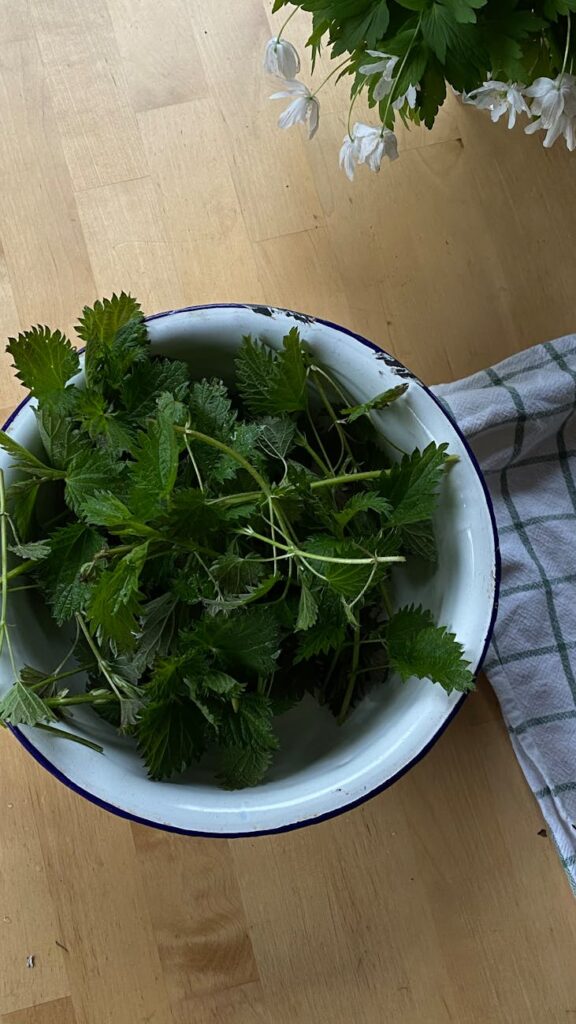
How to Choose High-Quality Nettles
Introduction
Nettles, often underestimated and overlooked, are a powerhouse of nutrition and flavor. These vibrant green plants thrive in various environments, providing culinary enthusiasts with a unique and earthy flavor profile. Understanding how to select high-quality nettles is crucial for both home cooks and professional chefs alike. This guide delves into the intricacies of buying nettles, ensuring you make informed choices that enhance your culinary creations.
What Is Buying?
In the culinary context, “buying” refers to the process of selecting and purchasing ingredients that meet specific quality standards for intended uses. When it comes to nettles, this involves assessing their freshness, appearance, and overall quality. The goal is to ensure that the nettles you purchase provide the best flavor, nutritional value, and culinary potential.
History and Origins
Nettles belong to the Urtica genus, with Urtica dioica being the most commonly consumed species. Historically, these plants have been used since ancient times, both as a food source and for medicinal purposes. Archaeological evidence indicates their consumption dates back to the Roman Empire. Ancient Greeks and Romans recognized nettles as valuable for their nutritional properties, and they were often included in various dishes.
In folklore, nettles have been associated with strength and resilience, often used in traditional remedies. Today, they are cultivated and wild-harvested in various parts of the world, from Europe to North America, making them accessible to those seeking quality ingredients.
Production and Processing
Nettles can be harvested from the wild or cultivated on farms. Wild-harvested nettles tend to have a robust flavor, as they thrive in natural environments. However, cultivated nettles are often grown under controlled conditions, providing consistent quality and availability.
When selecting nettles, it is essential to consider the production methods. Organic nettles, for example, are grown without synthetic fertilizers or pesticides, which may enhance their flavor and safety for consumption. Look for producers that prioritize sustainable farming practices, ensuring that the nettles are harvested responsibly and with minimal environmental impact.
Once harvested, nettles must be processed carefully to maintain their quality. Fresh nettles should be rinsed thoroughly to remove any dirt or insects. After washing, they are typically blanched before freezing, allowing them to retain their vibrant color and nutritional value. When purchasing frozen nettles, ensure they have been blanched properly, as this will enhance their flavor and texture when cooked.
Quality and Grading
The quality of nettles can vary based on several factors, including harvesting time, methods, and storage conditions. When buying fresh nettles, look for the following indicators of quality:
1. Color: High-quality nettles should have a vibrant green color. Avoid any that appear yellowed or wilted, as this may indicate age or poor storage conditions.
2. Texture: Fresh nettles should feel firm to the touch. Wilting or sliminess can indicate that the nettles are past their prime.
3. Size: While size can vary depending on the species and growing conditions, younger leaves are generally more tender and flavorful. Opt for smaller, younger nettles for the best culinary experience.
4. Aroma: Fresh nettles should have a fresh, herbaceous aroma. A strong, unpleasant smell may indicate spoilage.
Grading systems for nettles are not universally standardized, but understanding these quality indicators can help you make informed choices when purchasing.
Buying Considerations
When purchasing nettles, several factors should be taken into account to ensure you select high-quality ingredients that meet your culinary needs:
1. Source: Consider where the nettles are sourced. Local farmers’ markets often offer fresh, seasonal nettles, while specialty stores may carry a variety of options, including dried and frozen nettles.
2. Seasonality: Nettles are typically in season during the spring months. Purchasing them during this time ensures you are getting the freshest product possible.
3. Form: Nettles are available in various forms, including fresh, frozen, dried, and powdered. Your choice will depend on your intended use. Fresh nettles are ideal for cooking, while dried or powdered forms may be suitable for smoothies and herbal teas.
4. Sustainability: Look for producers who prioritize sustainable harvesting practices. This not only supports the environment but also ensures you are purchasing high-quality, responsibly sourced ingredients.
5. Certifications: Organic certifications can provide additional assurance regarding the quality and safety of nettles. Check for labels that indicate organic farming practices.
Uses and Applications
Nettles are incredibly versatile and can be used in various culinary applications. They can be sautéed, steamed, or blended into soups, sauces, and pesto. Their earthy flavor pairs well with ingredients like garlic, lemon, and cream. Additionally, nettles can be used in herbal teas and infusions, showcasing their unique taste profile.
In addition to their culinary uses, nettles are often included in herbal remedies and natural skincare products due to their rich nutrient content. This versatility makes them a valuable ingredient in both professional kitchens and home cooking.
Storage and Shelf Life
Fresh nettles should be stored in a cool, dry place, ideally in the refrigerator. When properly stored, they can last for up to a week. To extend their shelf life, consider blanching and freezing nettles shortly after purchase. Frozen nettles can maintain their quality for several months, making them a convenient option for off-season use.
Dried nettles should be kept in an airtight container in a cool, dark place to preserve their flavor and potency. When stored correctly, dried nettles can last for up to a year.
Common Misconceptions
Despite their many culinary benefits, nettles are often misunderstood. Here are a few common misconceptions:
1. Nettles are only weeds: While