
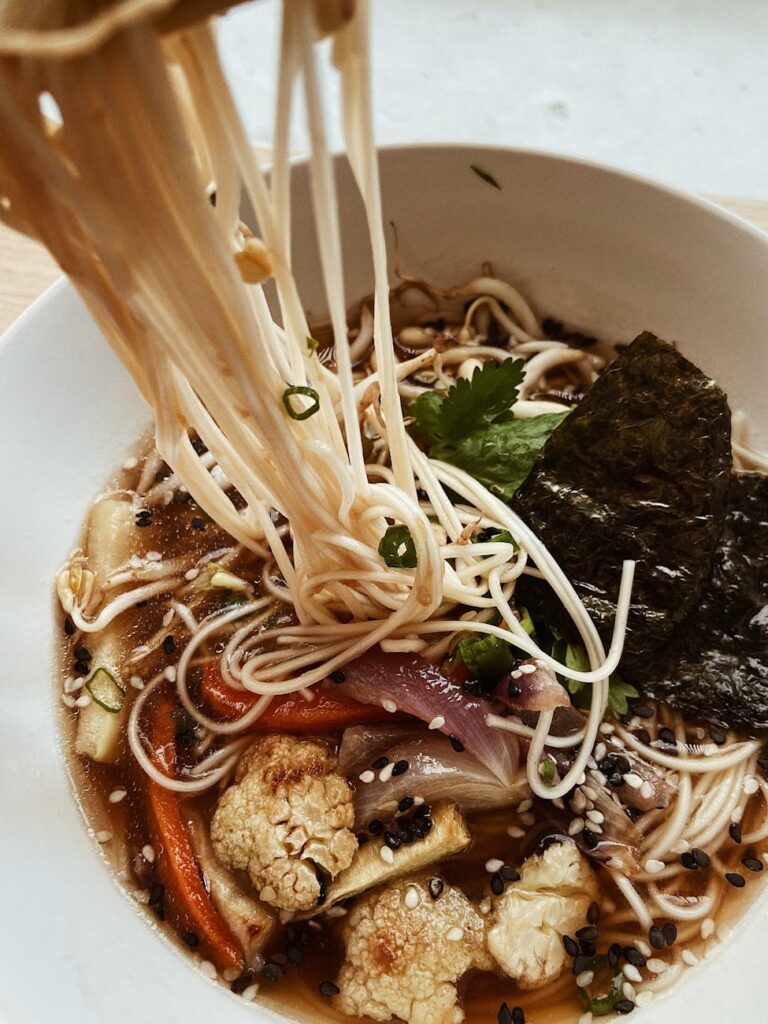
How to Choose High-Quality Nori
Introduction
Nori, a versatile seaweed used primarily in Japanese cuisine, has gained global popularity for its unique flavor and texture. From sushi rolls to snacks, its applications are numerous. However, not all nori is created equal. Understanding how to select high-quality nori can significantly enhance your culinary experience. This article delves into the nuances of buying nori, its historical significance, production processes, quality indicators, and more.
What Is Buying?
In the culinary context, “buying” refers to the process of selecting and purchasing food ingredients, ensuring quality, freshness, and suitability for specific culinary needs. When it comes to nori, buying involves more than just grabbing a pack off the shelf; it requires knowledge of its origins, production methods, and quality indicators.
History and Origins
Nori has a rich history that dates back over a thousand years. Originally cultivated in Japan, this seaweed was used as a wrapping for rice and other foods. Its popularity grew during the Edo period (1603-1868), particularly in coastal towns where nori was harvested and processed. Today, nori is a staple not only in Japanese cuisine but also in various Asian and Western dishes. Its cultivation has spread to other countries, including South Korea and China, where different varieties and processing methods have emerged.
Production and Processing
Nori is harvested from specific species of red algae, primarily Porphyra. The production process involves several steps:
1. Harvesting: Nori is typically harvested during specific seasons when the algae reach their peak growth. Farmers cultivate the algae on nets in shallow waters, allowing for easy collection.
2. Washing: After harvesting, the algae are washed to remove impurities, sand, and saltwater.
3. Drying: The cleaned algae are then spread out to dry, either in the sun or through mechanical means. This step is crucial as it affects the texture and flavor of the final product.
4. Toasting: Some nori varieties undergo toasting, which enhances their flavor and makes them more suitable for certain culinary applications.
5. Packaging: Finally, the processed nori is cut into sheets and packaged for sale. The packaging process is vital for maintaining freshness and preventing moisture absorption.
Quality and Grading
The quality of nori can vary significantly based on several factors, including cultivation methods, harvesting time, and processing techniques. Here are some key indicators of quality:
- Color: High-quality nori should have a vibrant dark green to black color. Dull or faded sheets may indicate age or poor processing.
- Texture: Premium nori has a crisp texture and should crack easily when bent. If it feels rubbery or soft, it may be of lower quality.
- Flavor: Fresh nori should have a subtle oceanic flavor, with hints of umami. A strong fishy or overly salty taste can be a sign of poor quality.
- Grading: Nori is often graded into categories such as A, B, and C, with Grade A being the highest quality. Grade A nori is typically more expensive but offers superior flavor and texture.
- Source: Look for nori sourced from reputable regions known for high-quality seaweed production, such as Japan and Korea.
- Type: Nori comes in various types, including raw, toasted, and flavored. Determine your needs based on the intended culinary application.
- Packaging: Opt for nori that is vacuum-sealed or packaged in moisture-proof materials to maintain freshness.
- Expiration Date: Always check the expiration date to ensure you are buying the freshest product possible.
- Organic Certification: For those who prefer organic products, look for nori that is certified organic, indicating it was cultivated without synthetic fertilizers or pesticides.
- Ingredients List: Check for additives or preservatives. Pure nori should have minimal ingredients, ideally just the seaweed itself.
- Snacks: Nori chips or sheets can be enjoyed as a healthy snack, either plain or flavored.
- Soups and Salads: Crumbled nori can add a unique flavor to soups and salads.
- Garnishes: Nori can be used as a garnish for various dishes, adding both visual appeal and flavor.
- Wraps: Beyond sushi, nori can wrap other ingredients for quick, nutritious meals.
- Cool, Dry Place: Store nori in a cool, dry area away from direct sunlight to prevent moisture absorption.
- Sealed Containers: Once opened, transfer unused nori sheets into an airtight container to keep them fresh. Consider using desiccants to absorb any moisture.
- Freezing: For long-term storage, nori can be frozen. Ensure it is well-sealed to prevent freezer burn.
- All Nori Is Created Equal: Quality varies significantly based on production methods and sourcing. Premium nori is worth the investment.
- Nori Is Only for Sushi: While nori is essential for sushi, its culinary uses are diverse, ranging from snacks to garnishes in various dishes.
- Nori Is Unhealthy: Nori is a nutrient-dense food, rich in vitamins and minerals. It can be a healthy addition to a balanced diet.
Buying Considerations
When purchasing nori, consider the following factors to ensure you select the best product:
Uses and Applications
Nori’s versatility makes it a staple in various cuisines. Though it is most commonly associated with sushi, its applications extend to:
Storage and Shelf Life
Proper storage is essential for maintaining the quality of nori. Here are some tips:
Generally, unopened nori can last for up to a year, while opened packages are best consumed within a few months for optimal flavor and texture.
Common Misconceptions
Despite its popularity, several misconceptions about nori persist:
Frequently Asked Questions
1. What is the difference between raw and toasted nori?
Raw nori has a more subtle flavor and is often used for sushi, while toasted nori has a more pronounced flavor and is typically used as a snack.
2. Can I use nori in cooking?
Yes, nori can be used in various recipes beyond sushi, including soups, salads, and as a seasoning.
3. How can I tell if nori is fresh?
Fresh nori should be dark green to black, crisp, and have a subtle oceanic flavor. Avoid sheets that are dull or rubbery.
4. Is nori gluten-free?
Yes, nori is naturally gluten-free, making it suitable for those with gluten sensitivities or celiac disease.
5. How do I know if the nori is sustainably sourced?
Look for certifications or labels indicating sustainable farming practices, and consider purchasing from reputable brands known for their environmental responsibility.
6. Can I eat nori every day?
While nori is nutritious, moderation is key. Incorporating it into a balanced diet can provide health benefits, but excessive consumption of any ingredient should be avoided.
Conclusion
Choosing high-quality nori enhances not only your culinary creations but also your overall dining experience. By understanding the factors involved in the buying process—from history and production to quality indicators and storage—you can make informed decisions that elevate your dishes. Whether for sushi, snacks, or garnishes, selecting the right nori is essential for unlocking the full potential of this exquisite seaweed.