
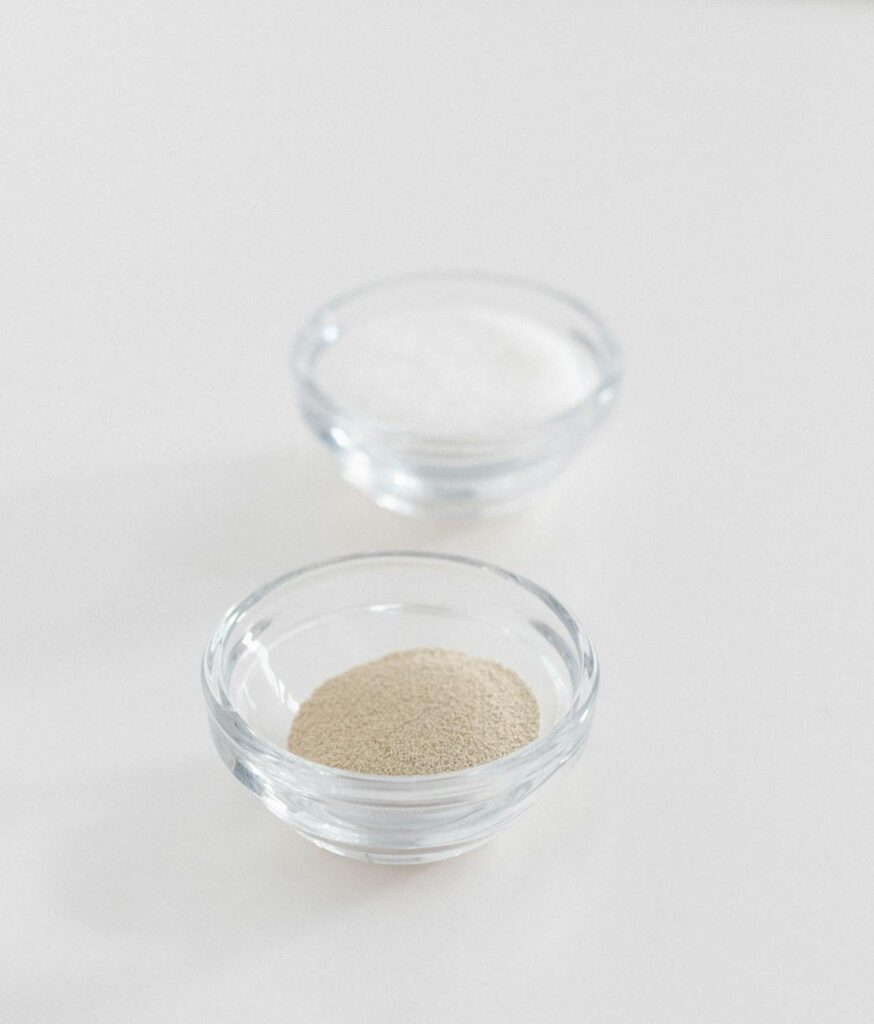
How to Choose High-Quality Nutritional Yeast
Introduction
Nutritional yeast has gained prominence in recent years, particularly among those embracing plant-based diets. This deactivated yeast is not only lauded for its cheesy flavor but is also a rich source of vitamins, minerals, and protein. However, not all nutritional yeast is created equal. Understanding how to select high-quality nutritional yeast can enhance your culinary experiences and nutritional intake. This article explores the various factors involved in purchasing nutritional yeast, ensuring that you make informed choices.
What Is Buying?
Buying refers to the process of acquiring goods or services in exchange for currency. In the context of nutritional yeast, it encompasses the selection of the product based on various criteria such as quality, nutritional content, brand reputation, and cost-effectiveness. Knowledge of these elements can significantly influence the buying decision, ultimately leading to a satisfactory purchase.
History and Origins
Nutritional yeast has a rich history that dates back to the early 20th century. Initially a byproduct of beer brewing, it was later recognized for its nutritional benefits. The first commercial production of nutritional yeast began in the 1950s, primarily among health-conscious consumers and vegetarians. Over time, it has evolved into a staple ingredient in many kitchens, especially for those seeking plant-based alternatives. Its popularity surged in the 1970s during the vegetarian movement, and it has since become a vital ingredient in vegan cuisine.
Production and Processing
The production of nutritional yeast involves cultivating Saccharomyces cerevisiae, a species of yeast. This yeast is grown on molasses or other sugar-rich substrates, allowing it to thrive and multiply. Once the fermentation process is complete, the yeast is harvested, washed, and then pasteurized to deactivate it.
After pasteurization, the yeast is dried and flaked or powdered, depending on the desired product type. High-quality nutritional yeast should be minimally processed to retain its nutritional benefits. Look for products that are fortified with B vitamins, particularly B12, which is essential for those following vegan diets.
Quality and Grading
Quality is a crucial factor when purchasing nutritional yeast. High-quality nutritional yeast should have a pleasant, nutty aroma and a bright yellow color. The texture can vary from flaky to powdered, but it should be free of clumps and signs of moisture.
Nutritional yeast is often graded based on its nutritional content. Look for products that provide significant amounts of protein, fiber, and vitamins, particularly B-vitamins. Some brands also offer gluten-free options, which cater to those with gluten sensitivities. Additionally, checking for certifications, such as organic or non-GMO, can further assure quality.
Buying Considerations
When selecting nutritional yeast, consider the following factors:
1. Brand Reputation: Research brands known for their commitment to quality and sustainability. Consumer reviews can provide insight into the product’s taste and texture.
2. Fortification: Some nutritional yeasts are fortified with additional vitamins, particularly B12. For those on a vegan diet, this can be an essential factor.
3. Form: Nutritional yeast is available in flakes, powder, and granules. Choose the form that best suits your intended use, whether for cooking, seasoning, or adding to smoothies.
4. Ingredients: Examine the ingredient list. Opt for products with minimal additives or preservatives. Pure nutritional yeast should primarily consist of yeast and possibly fortified vitamins.
5. Packaging: Look for packaging that protects the yeast from light and moisture. Resealable bags or opaque containers are preferable to maintain freshness.
6. Price: While buying in bulk can be cost-effective, be wary of very low-priced options, which may compromise quality. Balance cost with the product’s nutritional benefits.
Uses and Applications
Nutritional yeast is versatile and can be used in various culinary applications. It serves as a flavor enhancer, mimicking a cheesy taste in dishes such as pasta, popcorn, and sauces. It can also be incorporated into soups, stews, and salads for added nutrition.
Beyond its culinary uses, nutritional yeast can be sprinkled on snacks, blended into smoothies, or used in seasoning blends. Its high protein and vitamin content make it an excellent addition to vegan and vegetarian diets, providing essential nutrients that may be lacking in these lifestyles.
Storage and Shelf Life
Proper storage is vital to maintain the freshness and nutritional integrity of nutritional yeast. Store it in a cool, dry place, away from direct sunlight and moisture. If purchased in bulk, consider transferring it to an airtight container to extend its shelf life.
Generally, unopened nutritional yeast can last for up to two years, while opened packages should ideally be consumed within six months to a year for optimal flavor and nutritional benefits. Always check the expiration date before purchasing and consuming.
Common Misconceptions
Several misconceptions about nutritional yeast may lead to confusion among consumers:
1. Nutritional Yeast Is Active Yeast: Nutritional yeast is deactivated, meaning it cannot ferment or leaven bread like active yeast.
2. It Contains Gluten: Most nutritional yeast is gluten-free, but it is essential to check labels for any cross-contamination warnings.
3. It Is a Complete Protein: While nutritional yeast is a good source of protein, it is not a complete protein. To ensure a balanced intake of amino acids, it should be consumed alongside other protein sources.
4. Nutritional Yeast Is the Same as Brewer’s Yeast: Although both are derived from the same species of yeast, nutritional yeast is fortified and has a different flavor profile compared to brewer’s yeast.
Frequently Asked Questions
1. What is the primary benefit of consuming nutritional yeast?
Nutritional yeast is rich in B vitamins, particularly B12, making it an excellent supplement for individuals on plant-based diets. It also provides protein and dietary fiber.
2. Can nutritional yeast be used for cooking?
Yes, nutritional yeast can be added to various dishes, including soups, sauces, and snacks, to enhance flavor and nutritional content.
3. Is nutritional yeast safe for everyone?
Nutritional yeast is generally safe for most individuals. However, those with yeast allergies or sensitivities should avoid it.
4. How do I know if nutritional yeast is high-quality?
Look for products that have a bright yellow color, a pleasant aroma, and minimal additives. Additionally, check for fortification with B vitamins.
5. How should I store nutritional yeast?
Store nutritional yeast in a cool, dry place in an airtight container to maintain freshness and extend shelf life.
6. Can I use nutritional yeast as a substitute for cheese?
Yes, nutritional yeast can mimic the flavor of cheese and is often used as a cheese substitute in vegan recipes.
In conclusion, choosing high-quality nutritional yeast involves careful consideration of various factors, from brand reputation to storage methods. By understanding these elements, consumers can make informed decisions that enhance their culinary experiences and nutritional intake.