
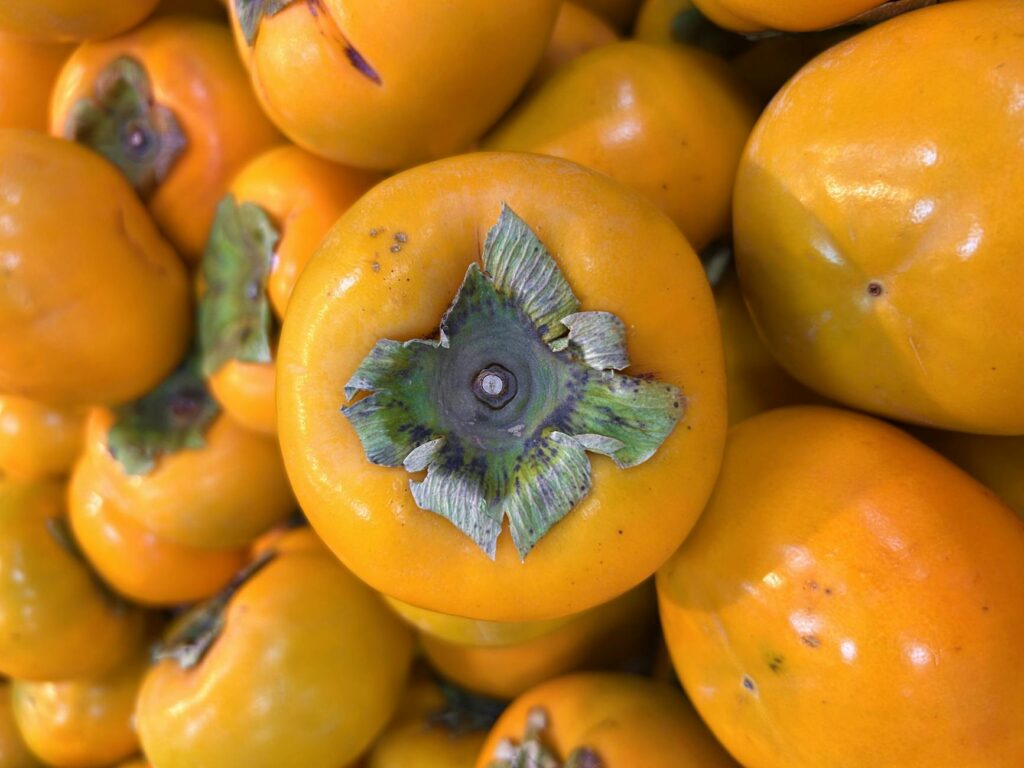
How to Choose High-Quality Persimmons
Introduction
Persimmons, with their vibrant orange hue and sweet, honey-like flavor, are a delightful addition to both culinary and nutritional landscapes. These fruits are celebrated not only for their unique taste but also for their versatility in various dishes. However, to fully appreciate their qualities, one must understand how to select the finest persimmons available on the market. This comprehensive guide aims to equip you with the knowledge you need to make informed purchasing decisions, ensuring that every persimmon you choose is a source of flavor and satisfaction.
What Is Buying?
Buying, in the context of food ingredients like persimmons, refers to the process of selecting and purchasing items based on specific criteria. This process involves understanding the characteristics of the item, evaluating its quality, and determining its suitability for intended culinary uses. For persimmons, this means knowing the various types available, their ripeness, and the best sources for acquiring them.
History and Origins
The persimmon tree (Diospyros) has a rich history that dates back thousands of years. Native to East Asia, particularly China, persimmons were first cultivated over 2,000 years ago. From there, they spread to Japan and Korea, where they became integral to local diets and cultures. The fruit made its way to the United States in the 19th century, primarily through the efforts of horticulturists who recognized its potential. Today, persimmons are grown in various parts of the world, including California, where the climate is favorable for their growth.
Production and Processing
Persimmons thrive in temperate climates, requiring well-drained soil and plenty of sunlight. The most common varieties include the astringent Hachiya and the non-astringent Fuyu. Harvesting typically occurs in late fall, at which point the fruit is carefully picked to avoid bruising.
Once harvested, persimmons may undergo minimal processing. Non-astringent varieties can often be eaten straight away, while astringent types should be allowed to ripen fully before consumption. Some producers may also dry persimmons to extend their shelf life and create a unique flavor profile, which is particularly popular in Asian cuisines.
Quality and Grading
Quality and grading of persimmons are crucial factors to consider when purchasing. The USDA has established standards that assess size, shape, color, and overall condition. High-quality persimmons should exhibit the following characteristics:
1. Color: A rich, vibrant orange or yellow hue is ideal. Avoid any fruit with dull or greenish spots.
2. Texture: A high-quality persimmon should feel firm yet slightly yielding to gentle pressure, indicating ripeness. Overly soft or mushy persimmons may be overripened or spoiled.
3. Surface: Look for smooth skin without blemishes, dark spots, or signs of mold, as these can indicate poor quality.
4. Size: While size preferences may differ, larger persimmons are generally favored for their juiciness.
5. Aroma: A sweet, fragrant aroma is a sign of ripeness and quality. If the fruit lacks scent, it may not be at its peak.
Buying Considerations
When buying persimmons, several factors should guide your choices:
Type of Persimmon
Understanding the difference between astringent and non-astringent varieties is essential:
- Astringent Persimmons: Typically the Hachiya variety, these should be very soft and fully ripe before consumption. Eating them when underripe can lead to an unpleasant, mouth-puckering experience.
- Non-Astringent Persimmons: Varieties like Fuyu can be consumed while still firm, offering a crunchy texture and sweet flavor.
- Ripening: If you have purchased unripe astringent persimmons, leave them at room temperature until they soften. You can speed up the ripening process by placing them in a paper bag with an apple or banana.
- Refrigeration: Once ripe, persimmons can be stored in the refrigerator for up to a week. However, it’s best to consume them sooner for optimal flavor and texture.
- Freezing: For longer storage, persimmons can be sliced and frozen. This method is particularly useful for incorporating them into smoothies or baking later on.
- All Persimmons Are Astringent: Many people believe that all persimmons have astringent qualities. In reality, non-astringent varieties like Fuyu can be enjoyed while still firm.
- Persimmons Are Only for Dessert: While they are often used in sweet dishes, persimmons can enhance savory
Seasonality
Persimmons are typically in season from October to December in the Northern Hemisphere. During this period, you are more likely to find fresher, higher-quality fruits. Purchasing out of season may result in older stock that lacks flavor and texture.
Source
Buying from reputable sources, such as farmer’s markets or trusted grocery stores, ensures that you are selecting high-quality produce. Local farmers often provide fresher options, while large chains may stock persimmons that have traveled long distances.
Organic vs. Conventional
If possible, consider purchasing organic persimmons. These fruits are grown without synthetic pesticides or fertilizers, which may contribute to a cleaner taste and a more sustainable farming practice.
Uses and Applications
Persimmons are incredibly versatile in the kitchen. They can be eaten raw in salads, baked in desserts, or even dried for snacking. Their unique sweetness can complement savory dishes, particularly those featuring proteins or spicy elements. Additionally, persimmons can be used in smoothies, jams, or sauces, adding a rich, fruity flavor.
Storage and Shelf Life
Proper storage is key to maximizing the shelf life of persimmons. Here are some tips:
Common Misconceptions
Despite their popularity, several misconceptions about persimmons persist: