
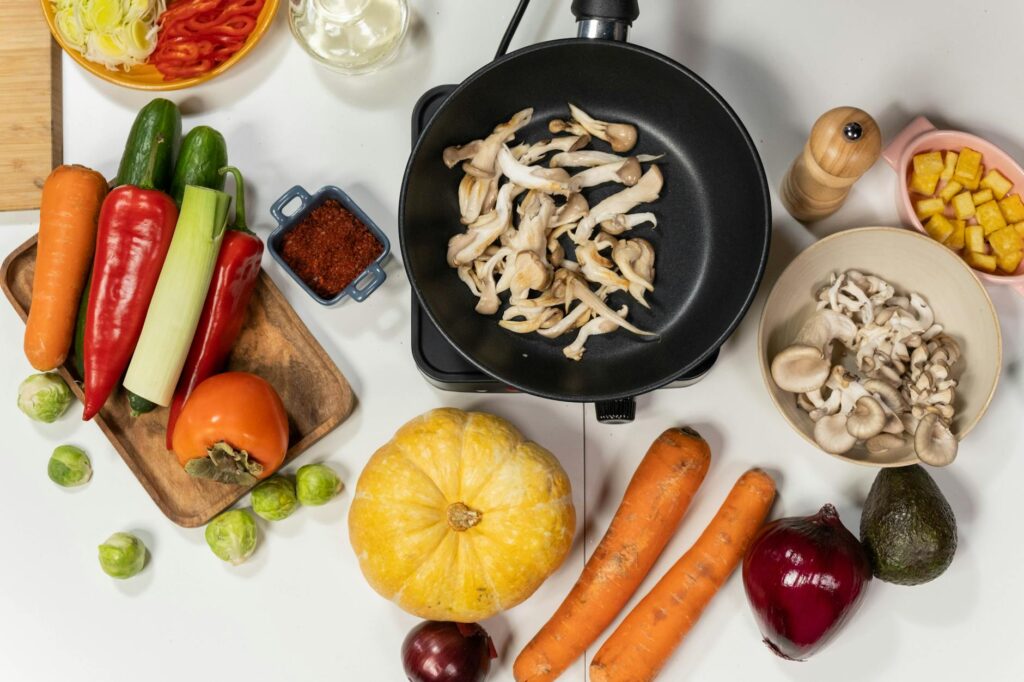
How to Choose High-Quality Squash
Introduction
Squash, a versatile and nutritious vegetable, has gained significant popularity in culinary traditions across the globe. Its various forms—ranging from summer squash like zucchini to winter varieties such as butternut and acorn—offer a plethora of flavors and textures, making it a staple in kitchens worldwide. This article aims to provide a comprehensive guide on how to choose high-quality squash, encompassing its history, production, grading, and practical considerations when purchasing.
What Is Buying?
Buying refers to the process of acquiring goods or services in exchange for currency or other forms of payment. In the context of food ingredients, it involves evaluating the quality, freshness, and value of products before making a purchase. When it comes to squash, understanding the nuances of buying can significantly enhance your culinary experience, allowing you to select squash that is not only flavorful but also packed with nutrients.
History and Origins
The history of squash dates back thousands of years, with its origins traced to Central and South America. Archaeological evidence suggests that squash was domesticated over 10,000 years ago, making it one of the oldest cultivated crops. Indigenous peoples used squash for both culinary and medicinal purposes, often combining it with beans and corn in what is known as the “Three Sisters” planting method.
As European settlers arrived in the Americas, they encountered various types of squash and subsequently introduced them to Europe and beyond. Today, squash is cultivated globally, with numerous varieties adapted to different climates and culinary traditions. Its rich history not only adds depth to its culinary applications but also enhances its cultural significance in various societies.
Production and Processing
Squash is cultivated in diverse climates, from temperate regions to tropical zones. The primary producers of squash include the United States, Mexico, and Italy, where farmers grow both summer and winter varieties. The growing season typically spans from late spring to early autumn, with summer squash harvested while still immature and winter squash allowed to mature fully.
Once harvested, squash undergoes minimal processing. It is usually washed and sorted before being packaged for distribution. The handling of squash post-harvest is crucial; improper handling can lead to bruising or decay, which adversely affects quality. Understanding the production and processing methods can help consumers make informed decisions when purchasing squash, ensuring they select high-quality options.
Quality and Grading
Quality and grading are essential aspects of purchasing squash. In many countries, squash is graded based on size, shape, color, and absence of defects. High-quality squash should exhibit the following characteristics:
- Appearance: The skin should be smooth, firm, and free from blemishes or soft spots. For winter squash, vibrant color is often an indicator of ripeness and flavor.
- Texture: Quality squash should feel heavy for its size and have a firm texture. Avoid squash that feels light or has soft, mushy spots, as this may indicate over-ripeness or spoilage.
- Size: While size preferences vary depending on variety and intended use, smaller squash are generally more tender and flavorful. Larger squash may be fibrous and less palatable.
- Summer Squash: Store in the refrigerator, preferably in the crisper drawer, where humidity levels are higher. Summer squash typically lasts about a week when stored correctly.
- Winter Squash: Winter squash can be stored in a cool, dark, and dry place, such as a pantry or cellar. It usually has a longer shelf life, ranging from one to three months, depending on the variety. However, once cut, winter squash should be wrapped tightly and refrigerated, where it can last for about a week.
- Look for squash that feels heavy for its size, has a firm texture, and is free from blemishes or soft spots.
- Ripe winter squash should have a hard, waxy rind and a deep, vibrant color. The stem should be dry and hard.
- Yes, but availability may vary by variety. Summer squash is typically available from late spring to early fall, while winter squash can be found year-round, particularly in the fall and winter months.
- Store summer squash in the refrigerator and winter squash in a cool, dark place. Once cut, wrap and refrigerate to maintain freshness.
- Many consumers prefer organic squash for its environmental benefits and reduced pesticide exposure. However, the choice between organic and conventional depends on personal preference and budget.
- Squash can be roasted, sautéed, grilled, pureed for soups, or used in salads and baked goods. Its versatility makes it a popular ingredient in various cuisines.
Many regions have established grading standards that categorize squash into different classes, such as U.S. Fancy, U.S. No. 1, and U.S. No. 2. Familiarizing yourself with these classifications can aid in selecting the highest quality squash available.
Buying Considerations
When purchasing squash, several factors should be considered to ensure you choose the best quality:
1. Seasonality: Squash is seasonally available, with summer varieties typically found from late spring through early fall and winter squash harvested in late summer to early autumn. Purchasing squash in its peak season ensures better flavor and freshness.
2. Source: Local farmers’ markets often offer fresher produce compared to grocery stores. Buying directly from farmers can provide insights into the growing practices and varieties available.
3. Variety: Different squash varieties have unique flavors and textures. Familiarize yourself with the varieties available, such as zucchini, butternut, acorn, and spaghetti squash, to select the one that best suits your culinary needs.
4. Sustainability: Consider the environmental impact of your purchase. Opting for organic or locally-sourced squash can support sustainable farming practices and reduce your carbon footprint.
5. Organic vs. Conventional: Organic squash is grown without synthetic pesticides or fertilizers. While organic squash may be more expensive, many consumers prefer it for its perceived health benefits and environmental advantages.
6. Inspection: Always inspect squash before purchasing. Look for signs of freshness, such as vibrant color and firmness. Avoid any that show signs of decay, such as soft spots or wrinkling.
Uses and Applications
Squash is a highly versatile ingredient, making it suitable for a wide range of culinary applications. It can be roasted, grilled, sautéed, or even pureed for soups and sauces. Additionally, squash can be used in salads, casseroles, and baked goods, adding flavor and nutrition to various dishes.
Summer squash varieties like zucchini are often incorporated into stir-fries and pasta dishes, while winter squash, such as butternut, is commonly used in soups and as a side dish. Furthermore, squash seeds can be toasted and enjoyed as a nutritious snack, adding additional culinary value to this ingredient.
Storage and Shelf Life
Proper storage is crucial to maintaining the quality of squash. Here are some guidelines for storing both summer and winter squash:
Always inspect stored squash periodically for signs of spoilage, including mold or soft spots, and remove any affected squash immediately to prevent further deterioration.
Common Misconceptions
1. All Squash is the Same: Many people assume that all squash varieties are interchangeable. In reality, different types of squash have distinct flavors, textures, and culinary uses.
2. Larger Squash is Better: While size can sometimes correlate with flavor, larger squash may be overripe or have a more fibrous texture. Smaller squash varieties are often more tender and flavorful.
3. Only Fresh Squash is Good: While fresh squash is preferred, frozen squash can retain much of its nutritional value and flavor, making it a convenient option for out-of-season cooking.
4. Squash is Just a Vegetable: Technically, squash is a fruit as it develops from the flowering part of the plant. This distinction may affect how it is categorized in culinary contexts.
Frequently Asked Questions
1. What is the best way to select ripe squash?
2. How can I tell if winter squash is ripe?
3. Can I buy squash year-round?
4. How do I store squash to extend its shelf life?
5. Is organic squash worth the extra cost?
6. What are some common uses for squash?
By understanding the intricacies of choosing high-quality squash, you can enhance your cooking experience and ensure that your dishes are both delicious and nutritious. Whether you are a home cook or a culinary professional, this guide serves as a valuable resource for selecting the best squash available.