
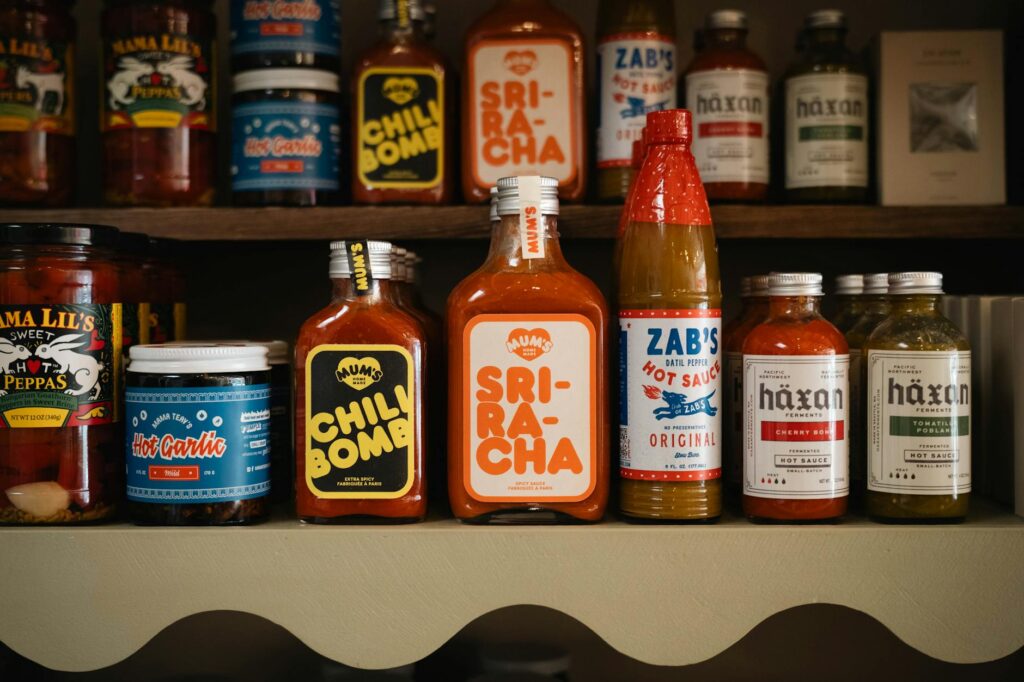
How to Choose High-Quality Sriracha
Introduction
Sriracha, a vibrant and versatile hot sauce originating from Thailand, has gained immense popularity around the globe. Known for its balanced blend of heat, sweetness, and tanginess, Sriracha enhances various dishes, making it a staple in many kitchens. However, not all Sriracha sauces are created equal. This article will guide you through the intricacies of selecting high-quality Sriracha, encompassing its history, production methods, grading, and buying considerations.
What Is Buying?
Buying refers to the process of acquiring goods or services in exchange for currency. In the context of food ingredients like Sriracha, this involves various factors such as quality, price, packaging, and brand reputation. Understanding how to effectively evaluate these elements can significantly influence your culinary experience and satisfaction with the product.
History and Origins
The origins of Sriracha can be traced back to the coastal town of Si Racha in Thailand, where the sauce was first crafted in the 1930s. The original recipe was developed by a local woman named Thanom Chakkapak, who combined chili peppers, vinegar, garlic, sugar, and salt to create a unique sauce that would complement seafood dishes. Over the decades, Sriracha gained popularity beyond its regional roots, especially after David Tran, a Vietnamese immigrant, introduced his version of the sauce in the United States in the 1980s. His brand, Huy Fong Foods, quickly became synonymous with Sriracha, leading to the sauce’s widespread acclaim and adoption in various culinary contexts.
Production and Processing
The production of Sriracha involves several key steps, each crucial in determining the quality of the final product.
1. Ingredient Selection: Authentic Sriracha is made primarily from fresh red jalapeño peppers. High-quality products often emphasize the use of locally sourced, ripe peppers, which contribute to the sauce’s distinctive flavor.
2. Fermentation: The peppers are ground and combined with vinegar, garlic, sugar, and salt. Some premium brands may undergo a fermentation process that lasts several weeks, allowing the flavors to meld and develop complexity.
3. Packaging: After processing, the sauce is typically bottled in glass or plastic containers. Packaging plays an essential role in preserving the freshness and integrity of Sriracha. Look for products that are sealed properly to prevent contamination.
Quality and Grading
Quality and grading are pivotal when selecting Sriracha. While formal grading systems specific to Sriracha are not universally established, several indicators can help you discern high-quality options:
1. Ingredient List: A shorter ingredient list that prominently features chili peppers, vinegar, garlic, and sugar usually signifies a higher quality product. Avoid brands that include artificial preservatives, flavors, or excessive additives.
2. Color and Texture: Quality Sriracha should have a vibrant red color and a smooth but slightly thick texture. If the sauce appears dull or watery, it may indicate inferior ingredients or processing.
3. Flavor Profile: A high-quality Sriracha balances heat and sweetness effectively. The heat should not overpower the other flavors, and the sauce should have a rich, complex taste that enhances rather than masks the natural flavors of dishes.
Buying Considerations
When purchasing Sriracha, several factors can help ensure that you select a high-quality product:
1. Brand Reputation: Research brands known for their commitment to quality. Huy Fong Foods has become a benchmark for authenticity, but several artisanal brands offer exceptional alternatives.
2. Price Point: While price does not always correlate with quality, extremely low-priced options may compromise on ingredients. Expect to pay a reasonable price for high-quality Sriracha.
3. Origin: Consider sourcing your Sriracha from reputable regions known for producing high-quality sauces. Authentic Thai Sriracha often boasts richer flavors compared to some mass-produced varieties.
4. Labeling: Look for certifications such as organic or non-GMO if these factors are important to you. Transparent labeling can also provide insights into the sourcing and processing of ingredients.
5. Taste Tests: If possible, conduct taste tests with different brands to find a flavor profile that suits your palate. Many gourmet food stores offer samples, allowing you to make an informed choice.
Uses and Applications
Sriracha’s versatility extends beyond mere condiment status. It can be employed in various culinary applications, enhancing flavors and adding a kick to dishes such as:
- Marinades: Combine Sriracha with soy sauce, honey, or citrus juices to create a flavorful marinade for meats and vegetables.
- Dipping Sauce: Mix Sriracha with mayonnaise or yogurt for a spicy dipping sauce that pairs well with appetizers.
- Soups and Stews: Add a dash of Sriracha to soups and stews to elevate the overall flavor and warmth.
- Dressings: Incorporate Sriracha into salad dressings for an unexpected twist that balances sweetness and heat.
Storage and Shelf Life
Proper storage is essential for maintaining the quality of Sriracha. Here are some general guidelines:
1. Keep Refrigerated: Once opened, Sriracha should be stored in the refrigerator to prolong its freshness. Unopened bottles can be kept in a cool, dark place.
2. Shelf Life: Generally, Sriracha has a shelf life of several months to a year when stored correctly. Check the expiration date on the label for specific guidance.
3. Signs of Spoilage: If you notice any changes in color, texture, or smell, it’s best to discard the sauce.
Common Misconceptions
Several myths surrounding Sriracha can lead to confusion for consumers:
1. All Sriracha Is the Same: Many assume all Sriracha sauces are identical, but variations in ingredients and production methods can lead to vastly different flavor profiles.
2. Sriracha Is Only for Asian Cuisine: While it has roots in Asian cooking, Sriracha can be used in a multitude of cuisines, from Mexican to Italian, enhancing dishes far beyond its traditional applications.
3. It’s Always Extremely Spicy: Some may think that Sriracha is overwhelmingly hot. In reality, quality Sriracha should have a balanced heat level, often accompanied by sweetness that tames the spice.
Frequently Asked Questions
1. What is the main ingredient in Sriracha?
The primary ingredient in Sriracha is fresh red jalapeño peppers, which provide its characteristic heat and flavor.
2. How is Sriracha different from other hot sauces?
Sriracha is unique due to its sweet, garlicky flavor profile and thicker consistency compared to other hot sauces, which may focus solely on heat.
3. Can Sriracha be used in cooking?
Absolutely! Sriracha is versatile and can be used in marinades, dressings, soups, and more to add flavor and spice.
4. Is Sriracha gluten-free?
Most traditional Sriracha sauces are gluten-free, but always check the label for any specific gluten-containing ingredients.
5. How long does Sriracha last after opening?
When stored in the refrigerator, opened Sriracha can last several months to a year. Always check for signs of spoilage.
6. Can I make my own Sriracha at home?
Yes, making Sriracha at home is possible, and there are many recipes available that allow you to tailor the flavor to your liking.
Conclusion
Selecting high-quality Sriracha involves understanding its rich history, production methods, and the factors that contribute to its flavor and quality. By being mindful of the ingredients, brand reputation, and proper storage methods, you can elevate your culinary experience with this beloved hot sauce. Whether you’re using it as a condiment or incorporating it into your cooking, a well-chosen Sriracha can add a delightful kick to your meals.