
How to Choose High-Quality Sumac
Introduction
Sumac, a tart and tangy spice derived from the berries of the sumac plant, has a rich history and a distinctive flavor that has captivated culinary enthusiasts for centuries. This versatile ingredient enhances dishes with its bright acidity and deep crimson hue, making it a staple in Middle Eastern, Mediterranean, and North African cuisines. However, not all sumac is created equal. Understanding how to choose high-quality sumac is essential for both culinary professionals and home cooks looking to elevate their dishes. This guide will explore the nuances of buying sumac, from its historical origins to practical considerations for purchasing and storage.
What Is Buying?
In the context of culinary ingredients, “buying” refers to the process of selecting and acquiring food items based on various criteria, including quality, flavor profile, origin, and intended use. When it comes to spices like sumac, the buying process encompasses not just the act of purchasing but also an understanding of the ingredient’s characteristics, cultivation practices, and market availability.
For sumac, this means discerning between different varieties, evaluating freshness, and recognizing reputable sources. High-quality sumac can significantly elevate dishes, making it crucial to make informed decisions during the buying process.
History and Origins
Sumac has a storied history that dates back thousands of years. Originating in the Mediterranean region, it has been used since ancient times not only as a spice but also as a natural dye and preservative. The sumac plant, belonging to the Rhus genus, produces clusters of red berries that are harvested, dried, and ground into a coarse powder.
Historically, sumac was used by various civilizations, including the Romans and Greeks, who appreciated its tangy flavor and preservative qualities. In traditional Middle Eastern cuisine, sumac is often sprinkled over meats, salads, and rice dishes, adding a unique flavor reminiscent of lemon or vinegar. Today, its popularity has expanded globally, making it a sought-after ingredient in various culinary traditions.
Production and Processing
The production of sumac begins with the harvesting of the berries from the sumac plant, typically found in regions like Turkey, Iran, and Syria. Once harvested, the berries are dried in the sun or through mechanical drying processes. The drying stage is critical, as it ensures that the berries retain their vibrant color and tart flavor.
After drying, the berries are ground into a fine powder, which can vary in texture depending on the intended use. Commercially, sumac is often packaged in bulk or in small containers for retail sale. Producers may also blend sumac with other spices or salt, which can alter its purity and flavor.
When buying sumac, it’s important to consider the source and production methods. Organic and sustainably sourced sumac not only supports ethical farming practices but also often results in a more robust flavor profile.
Quality and Grading
Quality is a paramount concern when purchasing sumac. Several factors influence the quality and grading of this spice:
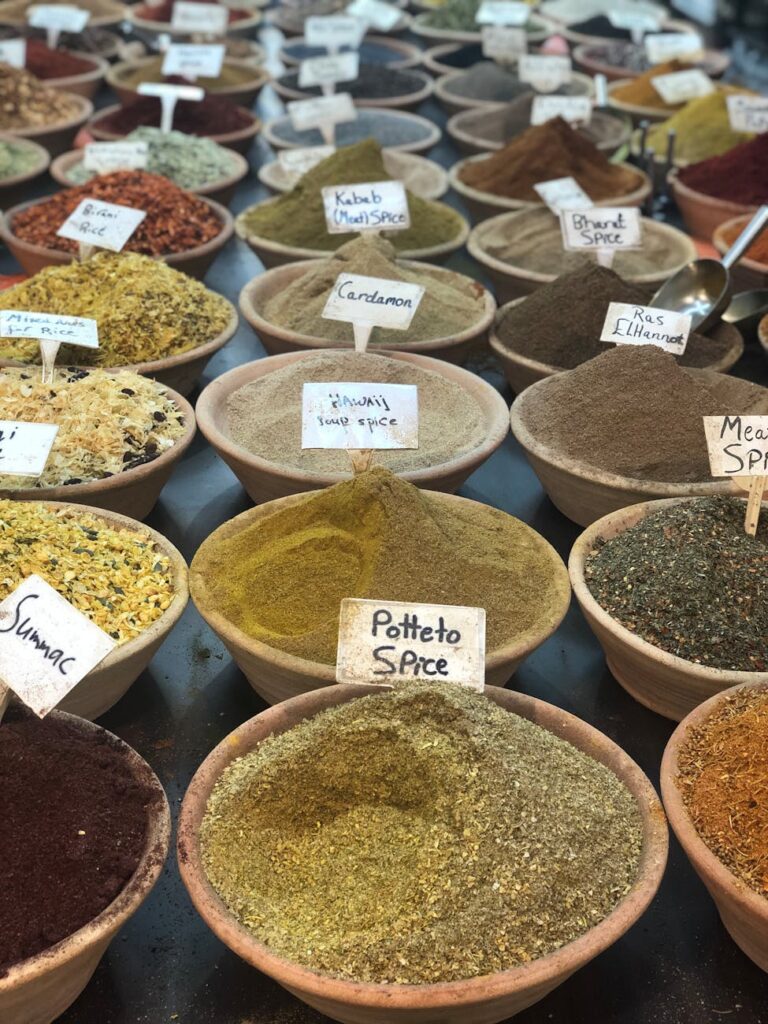
1. Color: High-quality sumac is typically a deep red to purple hue. A dull or brownish color may indicate age or inferior quality.
2. Aroma: Fresh sumac has a strong, tangy aroma reminiscent of lemon. If the scent is weak or musty, it may be stale.
3. Texture: The texture should be coarse yet finely ground. It should not be clumpy or excessively powdery, as this may suggest moisture or adulteration.
4. Purity: Check the ingredient list if purchasing packaged sumac. Pure sumac should not contain fillers or additives.
5. Origin: The region where the sumac is grown can affect its flavor profile. Sumac from Turkey is often regarded as the highest quality, but varieties from Iran and Syria can also be excellent.
6. Freshness: Look for packaging dates or best-by dates to ensure you are purchasing the freshest product available.
Being aware of these factors can help you make a more informed choice when buying sumac.
Buying Considerations
When selecting sumac, consider the following factors to ensure you purchase a high-quality product:
1. Source: Buy from reputable suppliers, specialty spice shops, or trusted online retailers known for carrying high-quality ingredients.
2. Packaging: Look for sumac that is sealed in airtight containers to prevent moisture and oxidation. Glass jars or vacuum-sealed packages are preferable to keep the spice fresh.
3. Organic Certification: If possible, choose organic sumac. Organic farming practices not only promote sustainability but also often result in a more vibrant flavor and aroma.
4. Local vs. Imported: While local sourcing can be beneficial, imported sumac, particularly from Turkey, is often considered superior. Be open to exploring various origins for different flavor profiles.
5. Taste Testing: If available, sample the sumac before purchasing. High-quality sumac should have a bright, tangy flavor that enhances your palate.
6. Price Point: While price should not be the sole determining factor, extremely low-priced sumac may indicate inferior quality or adulteration. Investing in higher-quality sumac can yield better culinary results.
Uses and Applications
Sumac’s versatility makes it an ideal ingredient in various culinary applications:
- Seasoning: Commonly sprinkled on grilled meats, fish, and vegetables to enhance flavor.
- Salads: Often used in salads like fattoush, where its tartness complements fresh vegetables.
- Condiments: Incorporated into sauces and marinades for added depth.
- Garnishing: Provides a vibrant color and tangy taste when sprinkled over rice dishes or hummus.
- Baking: Some innovative chefs use sumac in baking, adding a unique twist to bread and pastries.
- Misconception: Sumac is the same as poison sumac.
- Reality: The sumac used in cooking comes from non-toxic species that are entirely safe for consumption. Poison sumac is a different plant altogether and should be avoided.
- Misconception: All sumac is created equal.
- Reality: Quality can vary significantly based on origin, processing methods, and freshness. Not all sumac will provide the same flavor profile.
- Misconception: Sumac is only a garnish.
- Reality: While it is often used as a garnish, sumac can be a fundamental component in various dishes, adding essential flavor and acidity.
- Sumac has a tangy, lemon-like flavor profile, with a mild earthiness that enhances various dishes.
- Yes, sumac is naturally gluten-free and suitable for those with gluten sensitivities.
- While they share a similar tartness, they are not interchangeable. Use sumac for a unique flavor, but adjust the quantity based on taste.
- Fresh sumac should have a vibrant color and a strong, tangy aroma. Stale sumac will be dull in color and have a weak scent.
- Sumac is commonly used in Middle Eastern dishes like fattoush salad, kebabs, and as a seasoning for grilled meats.
- Yes, sumac can be grown in suitable climates, particularly in regions with warm summers. However, it requires some care and specific growing conditions.
Understanding these applications can help you determine the best way to incorporate sumac into your cooking repertoire.
Storage and Shelf Life
Proper storage is crucial for maintaining the quality of sumac. To ensure its longevity:
1. Airtight Containers: Store sumac in airtight containers to protect it from moisture and air exposure.
2. Cool, Dark Place: Keep the spice in a cool, dark pantry away from direct sunlight and heat sources. Excessive heat can degrade its flavor.
3. Refrigeration: While not necessary, refrigerating sumac can extend its shelf life, especially in humid climates.
4. Shelf Life: When stored correctly, ground sumac can typically last for up to two years, though its potency may diminish over time. Always check for freshness before use.
Common Misconceptions
Despite its popularity, several misconceptions about sumac persist:
Frequently Asked Questions
1. What does sumac taste like?
2. Is sumac gluten-free?
3. Can I substitute sumac for lemon juice?
4. How can I tell if my sumac is fresh?
5. What dishes traditionally use sumac?
6. Can I grow my own sumac?
Understanding the complexities of buying high-quality sumac can significantly enhance your culinary endeavors. By considering factors such as origin, quality, and proper storage, you can select a product that not only meets but exceeds your culinary expectations. Whether you are a professional chef or a home cook, the right sumac can transform your dishes and bring a taste of history and tradition to your table.