
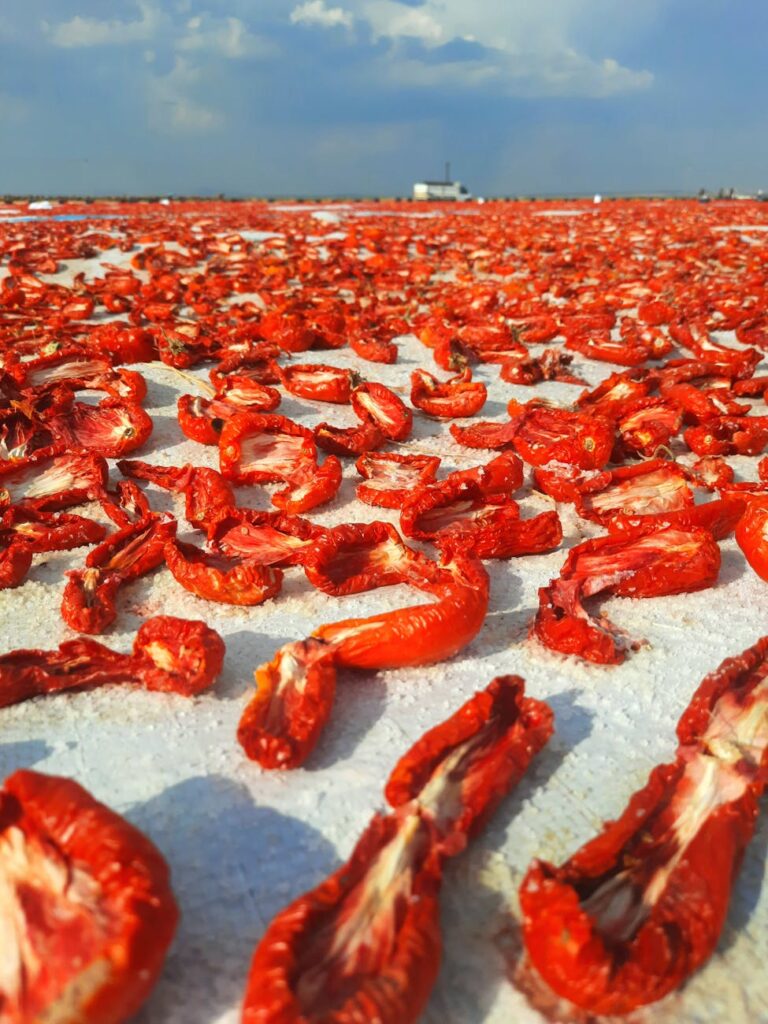
How to Choose High-Quality Sun-Dried Tomatoes
Introduction
Sun-dried tomatoes are a culinary treasure, celebrated for their intense flavor and versatility in various dishes. These concentrated bursts of umami can elevate everything from pasta to salads. However, not all sun-dried tomatoes are created equal. Understanding how to choose high-quality products is crucial for achieving the best culinary results. This article delves into the intricacies of buying sun-dried tomatoes, covering their history, production, quality grading, and more.
What Is Buying?
Buying, in the context of food ingredients, refers to the process of selecting and acquiring products that meet specific quality and usability standards. When it comes to sun-dried tomatoes, this involves assessing factors such as origin, processing methods, and packaging to ensure that you are investing in a product that delivers both flavor and nutritional integrity.
History and Origins
Sun-dried tomatoes have a rich history that dates back to ancient civilizations. The practice of drying tomatoes is believed to have originated in the Mediterranean region, where the hot sun provided an ideal environment for preserving this perishable fruit. By removing moisture, early cooks were able to extend the shelf life of tomatoes, making them available for use during the colder months.
Over time, this preservation method evolved, and sun-dried tomatoes became a staple in Italian cuisine. They were often used in antipasto, pasta dishes, and sauces. Today, sun-dried tomatoes are enjoyed worldwide, transcending cultural boundaries and finding their way into various culinary traditions.
Production and Processing
The production of sun-dried tomatoes begins with high-quality fresh tomatoes, typically varieties like Roma or San Marzano, known for their low moisture content and high flavor concentration. The tomatoes undergo a meticulous process:
1. Harvesting: Tomatoes are usually harvested at peak ripeness to ensure maximum flavor.
2. Washing and Slicing: After harvesting, they are washed to remove any dirt or pesticides, then sliced—either in halves or quarters—depending on the desired final product.
3. Drying: Traditionally, tomatoes are sun-dried on racks, where the intense heat reduces moisture content while concentrating their flavors. However, commercial producers often use dehydrators or ovens to expedite the process.
4. Packaging: Once dried, the tomatoes are typically packaged in oil or vacuum-sealed to maintain freshness and prevent spoilage.
These steps are crucial in determining the final quality of the sun-dried tomatoes, affecting flavor, texture, and nutritional value.
Quality and Grading
The quality of sun-dried tomatoes is influenced by several factors, including the type of tomato used, the drying method, and how they are packaged. When assessing quality, consider the following grading indicators:
- Color: High-quality sun-dried tomatoes should exhibit a vibrant red or deep maroon color. Dull or brownish hues often indicate poor quality or improper drying.
- Texture: They should be pliable and slightly moist, not overly hard or brittle. A leathery texture typically signifies good quality.
- Flavor: The taste should be rich and concentrated, with a balance of sweetness and acidity. Avoid products that have an off or rancid flavor, which can result from poor storage.
- Ingredients: Opt for sun-dried tomatoes that contain minimal additives. Ideally, the ingredient list should include only tomatoes, salt, and possibly olive oil.
- Pasta Dishes: Chopped sun-dried tomatoes can enhance the flavor of pasta sauces, adding depth and richness.
- Salads: They can be mixed into salads for added texture and flavor, serving as an excellent complement to greens.
- Pesto and Spreads: Sun-dried tomatoes can be blended into pestos or spreads, providing a unique twist on traditional recipes.
- Pizza and Flatbreads: They can be used as a topping, offering a burst of concentrated flavor.
- Stuffed Dishes: Incorporate them into stuffed vegetables or meats for added moisture and flavor.
Buying Considerations
When purchasing sun-dried tomatoes, several considerations can guide your selection:
1. Source: Look for tomatoes sourced from reputable regions known for their quality, such as Italy or California. Local markets may also carry high-quality options.
2. Type: Decide between sun-dried tomatoes in oil and those that are dry-packed. Oil-packed tomatoes tend to have a softer texture and are ready to use, while dry-packed varieties require rehydration.
3. Packaging: Pay attention to the packaging. Vacuum-sealed packages or glass jars can extend shelf life and maintain flavor better than bulk bags.
4. Price: Higher quality often comes at a higher price point. While it’s essential to stay within budget, investing in premium sun-dried tomatoes can make a significant difference in your cooking.
5. Sustainability: Consider purchasing from brands that prioritize sustainable farming practices. This not only benefits the environment but often leads to better quality products.
Uses and Applications
Sun-dried tomatoes are incredibly versatile and can be incorporated into a wide array of dishes. Some common uses include:
Storage and Shelf Life
Proper storage is crucial for maintaining the freshness and quality of sun-dried tomatoes. Here are some essential storage tips:
1. Cool, Dry Place: Unopened packages of dry sun-dried tomatoes should be stored in a cool, dry location away from direct sunlight.
2. Refrigeration: Once opened, oil-packed sun-dried tomatoes should be refrigerated and used within a few weeks. They can last longer if submerged in oil.
3. Freezing: For long-term storage, consider freezing sun-dried tomatoes. Place them in an airtight container or freezer bag to maintain quality.
Generally, dried sun-dried tomatoes can last up to a year if stored properly, while