
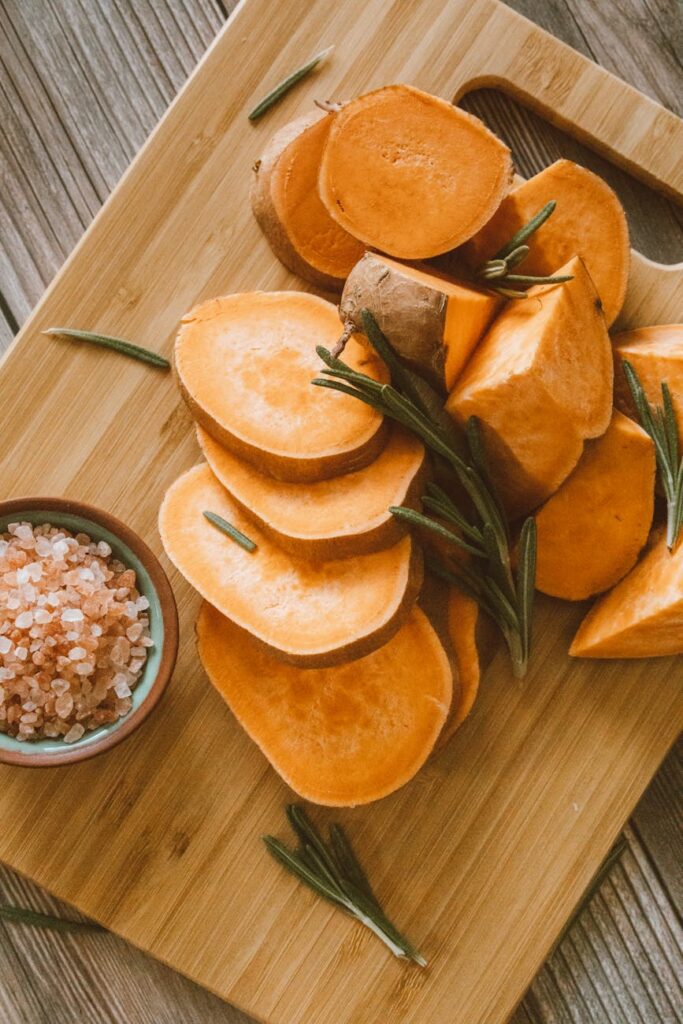
How to Choose High-Quality Sweet Potato
Introduction
Sweet potatoes, with their vibrant hues and natural sweetness, are a staple ingredient in various cuisines around the globe. Rich in flavor and nutrition, they have gained significant popularity in recent years, and understanding how to choose high-quality sweet potatoes is essential for chefs, home cooks, and health enthusiasts alike. This guide aims to provide comprehensive insights into selecting the best sweet potatoes, ensuring that every culinary endeavor is enhanced by this versatile ingredient.
What Is Buying?
Buying refers to the act of selecting and purchasing products based on specific criteria, which can include quality, size, texture, and price. In the context of sweet potatoes, effective buying involves understanding the characteristics that indicate freshness and flavor, as well as knowledge about different varieties and their applications. For anyone looking to incorporate sweet potatoes into their meals, making informed purchasing decisions can significantly affect the outcome of dishes.
History and Origins
The sweet potato (Ipomoea batatas) traces its origins to Central and South America, where it has been cultivated for thousands of years. Historical evidence suggests that the sweet potato was domesticated around 5,000 years ago, making it one of the oldest cultivated crops in the Americas. The plant was introduced to Europe by explorers in the late 15th century and has since spread worldwide, adapting well to various climates.
Different regions have developed their unique varieties of sweet potatoes, contributing to a rich tapestry of flavors, textures, and colors. Today, sweet potatoes are grown in many countries, including the United States, China, and Japan, where they are celebrated in local cuisines.
Production and Processing
Sweet potatoes thrive in warm climates and require well-drained, sandy soils for optimal growth. The plant typically takes about 90 to 120 days to reach maturity. Harvesting is a crucial stage in the production process, as it significantly influences the quality of the tubers. Farmers must carefully dig up the sweet potatoes to avoid bruising or damaging them, which can lead to spoilage.
Post-harvest processing includes curing, a process that enhances sweetness and extends shelf life. This is typically done in a warm, humid environment for a period of 5 to 14 days. After curing, sweet potatoes are sorted and graded based on appearance, size, and overall quality, ensuring only the best products make it to market.
Quality and Grading
When it comes to sweet potatoes, quality and grading are essential factors that impact both flavor and cooking performance. The United States Department of Agriculture (USDA) has established grading standards, classifying sweet potatoes into various categories:
- U.S. No. 1: This grade represents high-quality sweet potatoes, characterized by smooth skin, uniform shape, and minimal blemishes.
- U.S. No. 2: These sweet potatoes may have slight imperfections and a less uniform appearance but are still suitable for consumption.
- U.S. No. 3: This grade includes sweet potatoes that are more misshapen or blemished, often used for processing rather than direct consumption.
- Orange-fleshed: Known for their sweetness and creamy texture.
- White-fleshed: Milder in flavor, often used in savory dishes.
- Purple-fleshed: Not only visually striking but also packed with antioxidants and a slightly nutty flavor.
- Roasting: Sweet potatoes can be cubed or sliced and roasted to bring out their natural sugars, creating a caramelized flavor.
- Baking: They can be used in pies, breads, and muffins, offering a nutritious alternative to traditional flour-based recipes.
- Mashing: Boiled or steamed sweet potatoes can be mashed for a comforting side dish or used as a base for toppings.
- Soups and Stews: Their hearty texture makes them an excellent addition to soups and stews, adding depth and flavor.
- Salads: Roasted or boiled sweet potatoes can be diced and added to salads for a nutritious boost.
- Cool, Dark Place: Store sweet potatoes in a cool, dark, and well-ventilated area, ideally between 50°F and 60°F (10°C to 15°C). A pantry or cellar works well.
- Avoid Refrigeration: Do not refrigerate sweet potatoes, as cold temperatures can alter their flavor and texture.
- Keep Dry: Moisture can lead to mold and spoilage, so ensure that sweet potatoes are kept dry and away from any moisture sources.
- Shelf Life: When stored properly, sweet potatoes can last for several weeks. However, always check for signs of spoilage, such as soft spots or mold.
When selecting sweet potatoes, look for those that are firm to the touch, with no soft spots or signs of mold. The skin should be smooth and free from cracks or significant blemishes. Color can vary significantly among different varieties, ranging from orange and yellow to purple and white. Familiarizing yourself with the specific characteristics of the variety you are buying will help you assess its quality.
Buying Considerations
When embarking on your sweet potato shopping journey, several considerations can enhance your purchasing experience:
Variety
Understanding the different varieties of sweet potatoes can inform your buying choices. Common types include:
Size and Shape
Sweet potatoes come in various sizes, and choosing the right size is essential for your intended use. Smaller sweet potatoes tend to be sweeter and more tender, making them ideal for roasting or steaming. Larger ones may be better suited for baking or mashing.
Seasonality
Sweet potatoes are generally available year-round, but buying them during their peak season can enhance quality and flavor. In the United States, the peak season typically spans from late summer to early winter. During this time, you are more likely to find fresher and tastier options.
Organic vs. Conventional
Consider whether you prefer organic sweet potatoes, which are grown without synthetic pesticides or fertilizers. While they can be more expensive, many people value the environmental benefits and potential health advantages associated with organic produce.
Local vs. Imported
Whenever possible, opt for locally sourced sweet potatoes. They are often fresher and have a smaller carbon footprint compared to imported varieties. Visiting local farmers’ markets can also provide an opportunity to learn about the growing practices and harvest timelines of the produce.
Uses and Applications
Sweet potatoes are incredibly versatile and can be used in a multitude of dishes, ranging from savory to sweet. Their natural sweetness pairs well with various ingredients, making them suitable for a wide array of culinary applications:
Storage and Shelf Life
Proper storage is crucial for maintaining the quality and flavor of sweet potatoes. Here are some essential tips for storing them effectively:
Common Misconceptions
Misconception 1: All Sweet Potatoes Are the Same
Many people believe that all sweet potatoes are identical, but they come in various colors, flavors, and textures. Understanding these differences can enhance your culinary experience.
Misconception 2: Sweet Potatoes Are Just for Thanksgiving
While sweet potatoes are often associated with holiday dishes, they are a versatile ingredient suitable for year-round cooking and baking.
Misconception 3: Sweet Potatoes Are Unhealthy
On the contrary, sweet potatoes are nutrient-dense, providing essential vitamins, minerals, and fiber. They can be a healthy addition to a balanced diet.
Frequently Asked Questions
1. How can I tell if a sweet potato is fresh?
Look for firm, smooth skin without blemishes or soft spots. Fresh sweet potatoes should feel heavy for their size.
2. What’s the best way to cook sweet potatoes?
Sweet potatoes can be boiled, baked, roasted, or steamed. The best method depends on your intended dish and personal preference.
3. Can I eat sweet potatoes that have sprouted?
While sprouted sweet potatoes are safe to eat, they may be less flavorful. You can cut off the sprouts and use the remaining tuber.
4. How do I peel sweet potatoes easily?
A sharp peeler or knife works well, but cooking sweet potatoes briefly can make peeling easier. Boiling or microwaving them for a few minutes softens the skin.
5. Are there any differences between yams and sweet potatoes?
Yes, yams and sweet potatoes are different species. Yams are starchy tubers native to Africa, while sweet potatoes belong to the morning glory family and are sweeter in flavor.
6. How can I incorporate sweet potatoes into my diet?
Sweet potatoes can be added to various dishes, including salads, soups, and baked goods. Experiment with different varieties and cooking methods to find what you enjoy most.
Conclusion
Choosing high-quality sweet potatoes is a vital step in enhancing your culinary creations. By understanding the factors that influence quality, such as variety, grading, and storage, you can make informed decisions when purchasing this versatile ingredient. Sweet potatoes are not only delicious but also rich in nutrients, making them a valuable addition to any kitchen. Embrace their natural sweetness and explore the myriad ways to incorporate them into your meals year-round.