
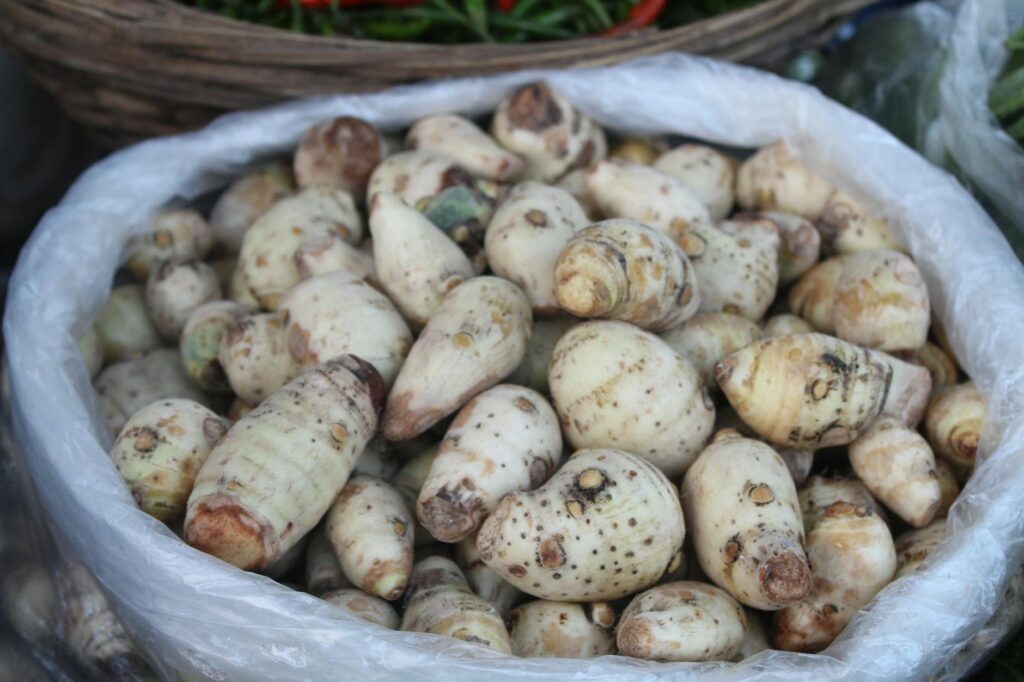
How to Choose High-Quality Taro
Introduction
Taro, a starchy root vegetable with a distinctive flavor and texture, is a staple in many cuisines worldwide, particularly in Asia, the Pacific Islands, and parts of Africa. Known for its versatility, it can be used in both savory and sweet dishes. However, the quality of taro is crucial for achieving the best culinary results. This article aims to provide an authoritative guide on how to select high-quality taro, covering aspects from buying and grading to common misconceptions.
What Is Buying?
Buying refers to the process of selecting and purchasing products, in this case, taro. It involves understanding the characteristics of the ingredient, evaluating its quality, and making informed decisions at the point of sale. The choice of taro can significantly impact the flavor, texture, and nutritional value of the dishes you create. Therefore, knowing how to buy taro is essential for chefs, home cooks, and food enthusiasts alike.
History and Origins
Taro (Colocasia esculenta) has a rich history, believed to have originated in Southeast Asia and the Indian subcontinent. It has been cultivated for thousands of years, making it one of the oldest cultivated crops globally. The plant thrives in tropical and subtropical climates, adapting well to wet, humid conditions, which are prevalent in its native regions. Taro holds cultural significance in various societies, often appearing in traditional ceremonies and festivals. Its introduction to other parts of the world, particularly the Pacific Islands, has led to its adaptation into local cuisines, where it is celebrated for its unique taste and versatility.
Production and Processing
Taro is primarily grown in regions with abundant rainfall and rich, moist soil. The cultivation process involves planting corms, which are the underground storage organs of the plant. Taro requires a warm climate to flourish; thus, it is typically grown in the tropics.
Once harvested, taro must be processed correctly to ensure its quality. The corms are typically washed, peeled, and sometimes blanched to remove toxins that can cause irritation. Proper handling during harvesting and processing is vital to maintain the integrity of the taro and to prepare it for transportation to markets.
Quality and Grading
Understanding the quality and grading standards for taro is essential for making informed buying decisions. High-quality taro should exhibit certain characteristics:
1. Appearance: Look for firm, unblemished corms that are free from cuts, bruises, or mold. The skin should be smooth and relatively clean.
2. Size: Taro comes in various sizes. While larger corms may appear more appealing, smaller ones often have a more concentrated flavor and a creamier texture, making them highly desirable for certain dishes.
3. Texture: When you press a high-quality taro, it should feel firm and not yield easily to pressure. A spongy consistency may indicate over-ripeness or decay.
4. Weight: Heavy corms are generally a good indicator of moisture content and freshness. Lighter corms may suggest dehydration or aging.
5. Color: The skin color of taro can range from brown to purple, depending on the variety. Regardless of color, it should appear vibrant and healthy.
Grading systems for taro may vary by region, but typically, corms are classified into grades such as A, B, and C, with Grade A representing the highest quality.
Buying Considerations
When purchasing taro, several factors should be taken into account to ensure the best selection:
1. Seasonality: Taro is generally available year-round in tropical regions, but its peak season may vary. Understanding when taro is in season can help you find fresher options.
2. Source: Consider purchasing from local farmers’ markets or specialty stores that focus on fresh produce. These sources often provide higher-quality ingredients than mass-market retailers.
3. Variety: Different varieties of taro are available, each with unique flavors and textures. Popular types include Hawaiian taro (kalo) and the more commonly found Asian varieties. Knowing the variety you prefer can enhance your culinary experience.
4. Organic vs. Conventional: If you are concerned about pesticides and other chemicals, consider purchasing organic taro. Organic farming practices can contribute to a more sustainable food system.
5. Smell: A fresh corm of taro should have a mild, earthy aroma. A strong or unpleasant smell may indicate spoilage.
6. Handling: When selecting taro, handle it gently to avoid bruising. If you are buying pre-packaged taro, check the packaging for any signs of damage or spoilage.
Uses and Applications
Taro is an incredibly versatile ingredient with a wide array of culinary applications. Its starchy nature makes it suitable for various cooking methods, including boiling, steaming, roasting, and frying. Here are some common uses:
1. Savory Dishes: Taro can be added to soups, stews, and curries, where its creamy texture enhances the overall dish.
2. Sweet Dishes: In many cultures, taro is used in desserts, such as taro cakes, ice creams, and sweet soups.
3. Starches: Taro can be mashed, similar to potatoes, or made into taro flour for gluten-free baking and cooking.
4. Thickening Agent: Due to its high starch content, taro can act as a thickening agent in sauces and gravies.
5. Snacks: Taro can be sliced thin and fried to create crispy chips, offering a delicious alternative to traditional potato chips.
Storage and Shelf Life
Proper storage is essential to maintaining the quality of taro. Here are some guidelines:
1. Temperature: Store