
How to Choose High-Quality Thai Basil
Introduction
Thai basil, known scientifically as Ocimum basilicum var. thyrsiflora, is a fragrant herb that plays a pivotal role in Southeast Asian cuisine, particularly in Thai dishes. With its distinct flavor profile that includes hints of anise and clove, Thai basil elevates various culinary creations, from stir-fries to soups. However, the quality of this herb can significantly affect the outcome of a dish. This article will guide you through the essential aspects of buying high-quality Thai basil, from its history and production to practical buying considerations and storage tips.
What Is Buying?
In the context of food ingredients, buying refers to the process of selecting and purchasing items based on quality, freshness, and suitability for intended culinary applications. When it comes to herbs like Thai basil, the buying process is crucial; the right choice can enhance flavor, texture, and nutritional value in your cooking. Understanding how to evaluate and select Thai basil can make a substantial difference in your culinary endeavors.
History and Origins
Thai basil has its roots in Southeast Asia, particularly in Thailand, where it has been cultivated for centuries. Initially, it was used not only for culinary purposes but also for its aromatic properties and medicinal applications. Over time, the herb became a staple in various Asian cuisines, including Vietnamese and Cambodian dishes. Different varieties of basil exist, but Thai basil is particularly prized for its unique flavor and aromatic qualities.
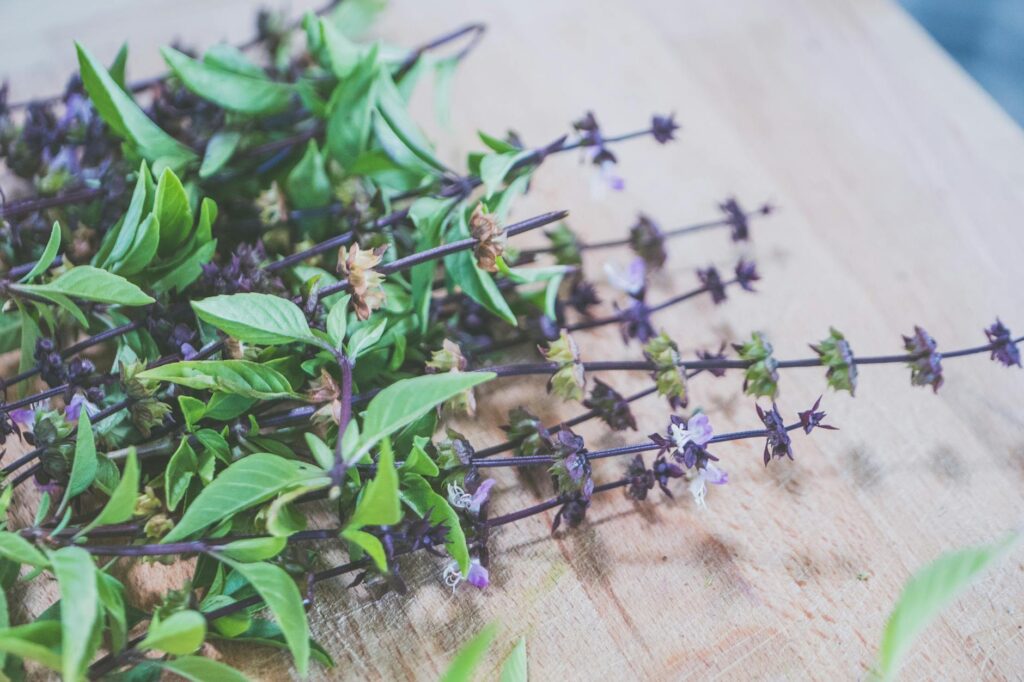
The herb is characterized by its pointed leaves, which are darker and more serrated than the sweet basil commonly found in Western cuisines. The flowers of Thai basil are also distinct, appearing in clusters that can range from white to purple.
Production and Processing
Thai basil is predominantly grown in tropical and subtropical regions, where the climate provides the warmth and humidity necessary for optimal growth. Major producers include Thailand, Vietnam, and other Southeast Asian countries. The herb thrives in well-drained soil and requires ample sunlight to develop its rich flavor.
The harvesting of Thai basil typically occurs when the leaves are fully mature but before the plant flowers. This ensures that the leaves are at their peak flavor and aroma. After harvesting, the basil is usually processed minimally; it may be washed and trimmed before being packaged for sale. Some producers might dry or freeze the basil for longer shelf life, although fresh basil is generally preferred for its superior flavor.
Quality and Grading
When purchasing Thai basil, it is essential to understand the quality indicators that can affect your culinary experience. High-quality Thai basil should exhibit the following characteristics:
1. Color: Fresh Thai basil leaves should be vibrant green, with a glossy sheen. Leaves that are yellowing or brown indicate age or poor handling.
2. Aroma: The herb should emit a strong, fragrant scent reminiscent of anise and clove. A lack of aroma could signal that the basil is past its prime.
3. Texture: Fresh leaves should be firm and crisp, not wilted or slimy. A fresh texture indicates that the basil has been properly stored and handled.
4. Size: While size can vary, uniformity in leaf size is generally a sign of good quality. Smaller, tender leaves are often preferred for their concentrated flavor.
5. Stem Condition: Fresh basil should have strong, upright stems, devoid of any signs of wilting or decay.
Grading systems for Thai basil may vary by region and producer, but these quality indicators remain consistent across markets.
Buying Considerations
When shopping for Thai basil, consider the following factors to ensure you select the best quality:
- Source: If possible, buy Thai basil from local farmers’ markets or specialty Asian grocery stores. Local sourcing often ensures fresher produce compared to supermarket chains, where herbs may have been in transit for days.
- Seasonality: Thai basil is typically in season during the warmer months. Purchasing during peak season can enhance your chances of finding fresher, more flavorful herbs.
- Organic vs. Conventional: If you are concerned about pesticides or other chemicals, opt for organic Thai basil. While it can be more expensive, the flavor and reduced chemical exposure can be worth the investment.
- Whole vs. Pre-Packaged: When possible, purchase whole bunches of Thai basil rather than pre-packaged varieties. Whole herbs are often fresher and can offer superior flavor.
- Storage Conditions: Pay attention to how the basil is stored at the point of sale. Herbs that are kept at room temperature, preferably in a cool, shaded area, are likely to be fresher than those stored improperly.
- Stir-Fries: Thai basil complements protein-based dishes like chicken, beef, and tofu, providing an aromatic contrast to savory ingredients.
- Soups and Curries: It is often added at the end of cooking to preserve its flavor and aroma, enhancing dishes like Tom Yum soup and green curry.
- Salads: Fresh Thai basil can be used in salads, adding a burst of flavor and visual appeal.
- Garnishes: It can also be used as a garnish for various dishes, providing an aromatic finish.
- Infusions: Thai basil can be infused into oils or vinegar for a unique flavor profile in dressings or marinades.
- Refrigeration: If you have more basil than you can use immediately, wrap the stems in a damp paper towel and place them in a plastic bag in the refrigerator. This method helps retain moisture and prolongs freshness.
- Water Method: Alternatively, you can store basil like a bouquet of flowers. Place the stems
Uses and Applications
Thai basil is incredibly versatile and can be employed in various culinary applications. Its unique flavor makes it particularly well-suited for:
Storage and Shelf Life
To maintain the freshness of Thai basil after purchase, proper storage is essential. Here are some tips: