
How to Choose High-Quality Zucchini
Introduction
Zucchini, also known as courgette in some regions, is a versatile summer squash that has gained immense popularity in various cuisines around the world. While it is often celebrated for its mild flavor and adaptability, knowing how to select high-quality zucchini is essential for both culinary enthusiasts and everyday cooks. This article delves into the nuances of buying zucchini, from its historical roots to practical buying considerations, ensuring that your culinary endeavors are both delicious and successful.
What Is Buying?
Buying refers to the process of selecting and purchasing goods, in this case, food ingredients like zucchini. When it comes to produce, the buying process includes evaluating freshness, quality, and suitability for intended culinary applications. Understanding how to properly assess zucchini can enhance your cooking experience and ensure that you are incorporating the best possible ingredients into your meals.
History and Origins
Zucchini is believed to have originated in Mesoamerica and was cultivated by ancient civilizations such as the Aztecs and Mayans. The squash was later introduced to Europe in the 19th century, where it became a staple in Mediterranean diets. Initially, zucchini was grown primarily for its seeds and flowers, but over time, its tender fruit became increasingly popular in cooking. Today, zucchini is cultivated worldwide, with the United States being one of the largest producers. This rich history has led to the squash being embraced in various culinary traditions, celebrated for its adaptability and mild taste.
Production and Processing
Zucchini is primarily grown in warm climates, thriving best in well-drained, nutrient-rich soil. The plant is typically harvested in the summer months when the fruit is still immature, resulting in a tender and flavorful product. The harvesting process is crucial; zucchinis should be picked when they are between 6 to 8 inches long to ensure optimal taste and texture.
Post-harvest, zucchinis are usually washed, sorted, and packaged for distribution. Processing methods vary depending on the intended market—fresh consumption, canned, or frozen. For those buying zucchini at a grocery store or farmers’ market, understanding the journey from farm to table can help in making informed choices about quality and freshness.
Quality and Grading
When selecting zucchini, several quality indicators should be taken into account:
1. Skin Appearance: High-quality zucchini should have smooth, shiny skin that is free of blemishes, soft spots, or wrinkles. The color can range from deep green to a lighter shade, depending on the variety, but should always be vibrant.
2. Firmness: A fresh zucchini should feel firm to the touch. If it gives easily or feels spongy, it may be overripe or spoiling.
3. Size: While size can vary, smaller zucchinis (about 6-8 inches long) are generally more tender and flavorful. Larger zucchinis may be more fibrous and less desirable for most culinary applications.
4. Weight: A high-quality zucchini will feel heavy for its size, indicating it is full of moisture and freshness.
5. Stem Condition: The stem should be green and fresh-looking. A dried-up or brown stem may indicate that the zucchini has been harvested for some time and may not be at its peak quality.
Buying Considerations
When purchasing zucchini, consider the following factors:
- Seasonality: Zucchini is typically in season from late spring through early fall. Buying during peak season can ensure better quality and flavor.
- Source: Whether shopping at a supermarket or a farmers’ market, knowing the source of your zucchini can impact quality. Local, organic options may yield fresher and more flavorful products.
- Organic vs. Conventional: While both types can be high quality, organic zucchinis are grown without synthetic pesticides and fertilizers, which some consumers prefer for environmental and health reasons.
- Variety: Different varieties of zucchini, such as yellow squash or striped zucchini, offer unique flavors and textures. Experimenting with varieties can add depth to your dishes.
- Buy in Small Quantities: If unsure about your consumption needs, consider buying smaller quantities to ensure freshness and minimize waste.
- Zucchini Is a Vegetable: While commonly treated as a vegetable in culinary contexts, zucchini is botanically classified as a fruit, specifically a type of berry.
- Zucchini Has No Nutritional Value: Some believe zucchini lacks nutrition, but it is low in calories and provides essential vitamins and minerals, including vitamin C and potassium.
- All Zucchini Is the Same: There are numerous varieties of zucchini, each with unique flavors and textures. Experimenting with different types can greatly enhance your culinary repertoire.
Uses and Applications
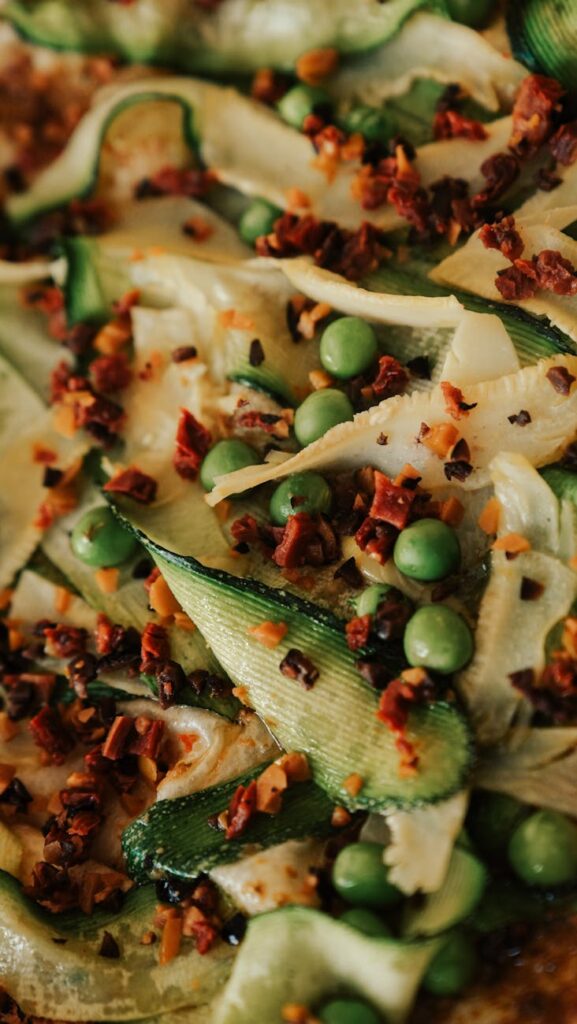
Zucchini’s versatility lends itself to a multitude of culinary applications. It can be grilled, sautéed, roasted, or spiralized into noodles, making it a popular choice for both savory and sweet dishes. In addition to being a star ingredient in ratatouille, zucchini can also be used in salads, stews, and baked goods like zucchini bread.
The high water content in zucchini makes it an excellent choice for dishes where moisture is desired, but care should be taken not to overcook it, as this can lead to a mushy texture. Understanding the unique properties of zucchini can help in selecting the best preparation methods to highlight its qualities.
Storage and Shelf Life
Proper storage is essential to maintaining the freshness of zucchini:
1. Refrigeration: Zucchini should be stored in the vegetable crisper drawer of your refrigerator. It is best kept unwashed in a breathable bag or loose to allow for air circulation.
2. Storage Duration: Fresh zucchini can last up to a week in the refrigerator. However, for the best flavor and texture, it is recommended to consume it within the first few days after purchase.
3. Freezing: If you have an excess of zucchini, it can be blanched and frozen for later use. However, this may alter the texture, making it more suitable for cooked dishes rather than raw applications.
Common Misconceptions
Several misconceptions surround zucchini that can lead to confusion among consumers:
Frequently Asked Questions
1. How can I tell if zucchini is fresh?
Fresh zucchini should have firm skin, vibrant color, and no soft spots or blemishes.
2. Can I eat zucchini raw?
Yes, zucchini can be eaten raw in salads or as a crunchy snack, but it is often cooked to enhance its flavor.
3. What should I do if I have too much zucchini?
Excess zucchini can be frozen after blanching or incorporated into various dishes such as soups, stews, or baked goods.
4. Is there a significant taste difference between small and large zucchini?
Yes, smaller zucchinis are generally more tender and flavorful, while larger ones can be more fibrous.
5. Can zucchini be grown at home?
Yes, zucchini is relatively easy to grow in home gardens, requiring ample sunlight and well-drained soil.
6. What are some common varieties of zucchini?
Common varieties include Green Zucchini, Yellow Crookneck, and Romanesco, each offering distinct flavors and textures.
By understanding the intricacies of buying, storing, and utilizing zucchini, you can elevate your culinary experience and ensure that you are always working with the highest quality ingredients. Whether you are a seasoned chef or a home cook, knowing how to choose and handle zucchini is an invaluable skill that can enhance your dishes and delight your palate.